The Camp Chef Woodwind Pro is built for people who want pellet-grill convenience without giving up the option of adding real wood chunks. That sounds useful, especially when dinner needs to happen between soccer practice and somebody losing a water bottle. I approached it as a backyard cooker for normal families, not as a competition rig. The important questions are simple: Does it hold temperature, create worthwhile smoke, handle different foods, and avoid turning cleanup into a second job?
What the Camp Chef Woodwind Pro actually does
The Woodwind Pro is a pellet grill with a separate smoke box designed to burn wood chunks, chips, or charcoal alongside the pellet system. Pellets provide automated heat through an auger and fan, while the smoke box adds another source of smoke flavor. In practical terms, you can set a cooking temperature much like you would with a conventional pellet grill, then adjust the smoke character with the box.
That setup gives it more range than a basic pellet cooker. It can run at lower temperatures for pork shoulder, ribs, and chicken, then reach higher heat for burgers, steaks, and vegetables. Camp Chef also includes features such as a built-in meat probe system and an ash-cleanout design on many configurations. Exact equipment depends on the version and package, so confirm the current listing before ordering.
The footprint is not small. This is patio equipment, not camping gear, and moving it across a deck is a two-person favor unless you enjoy negotiating with gravity. The cooking area is useful for a family meal, but the grill needs a permanent or semi-permanent home with clearance from walls, siding, and overhead materials.
Temperature control and everyday cooking
In repeated backyard cooks, the main advantage of the Camp Chef Woodwind Pro is reduced supervision. Once the hopper has pellets, the grill can maintain a target temperature while you prep sides or answer the question, “Is it ready yet?” for the ninth time. Pellet grills do not eliminate attention, but they reduce the constant fire management required by charcoal.
Temperature stability depends on weather, pellet quality, food load, and how often the lid opens. A cold, windy evening will demand more fuel than a calm summer afternoon. That is not a defect unique to this model; it is simply how outdoor cooking works. Use dry, reputable pellets, keep the lid shut, and allow enough warmup time before judging performance.
The digital controls are most useful when paired with a leave-in probe. Instead of slicing chicken repeatedly or guessing whether a roast is done, you can monitor internal temperature while the cooker manages the heat. For families, that matters more than a flashy maximum-temperature number. A grill that helps dinner land on the table at 6:15 is more valuable than one that looks impressive in a product photo.
Does the smoke box make a real difference?
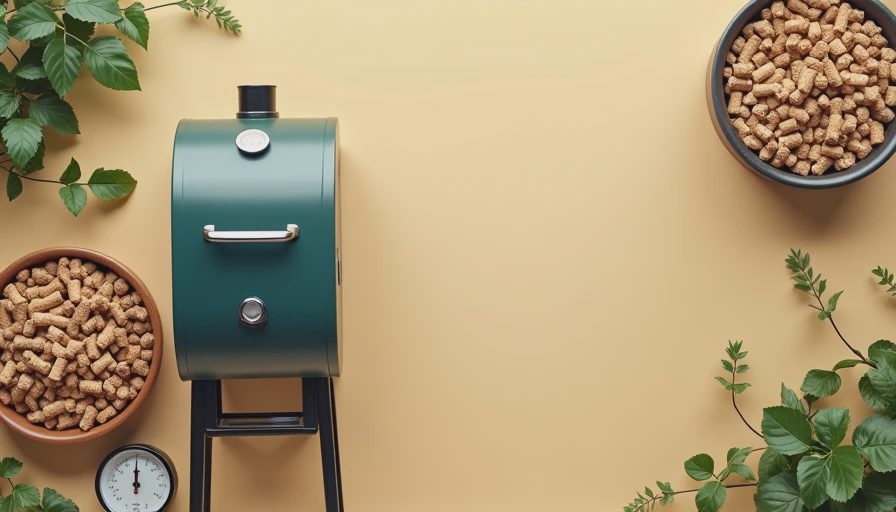
The Camp Chef Woodwind Pro earns its name from the smoke box, but expectations need to stay realistic. Adding wood chunks can produce a stronger and more recognizable smoke profile than pellets alone. That is particularly noticeable with ribs, pork shoulder, chicken thighs, and salmon. The result is not automatically better; it is simply more adjustable.
More smoke also means more responsibility. Heavy smoke can make food bitter, especially delicate fish or vegetables. I would start with a modest wood chunk, observe the color and aroma, and add more only when the cook calls for it. Oak is a forgiving starting point, while hickory is stronger and fruit woods are generally gentler. Do not treat the smoke box like a fireplace. Small additions are easier to manage than one heroic chunk the size of a coffee mug.
The box is useful when you want to shift between clean pellet cooking and a more traditional wood-fired flavor. That flexibility is the main reason to consider this grill over a simpler pellet model. If you rarely care about smoke intensity, the feature may become expensive storage with a lid.
Capacity, cleanup, and maintenance
For a family of four, the Camp Chef Woodwind Pro should handle a normal weekend menu: several chicken pieces, a tray of vegetables, burgers, or a modest pork roast. Capacity becomes tighter when you cook a full holiday spread or want to smoke multiple large cuts at once. Measure the available space and think about your actual serving habits rather than buying based on the biggest advertised number.
Cleanup is manageable but not optional. Grease liners or drip trays can reduce scraping, yet they do not replace brushing the grates and removing accumulated ash. Pellet grills create ash as they burn fuel, and that ash can affect airflow or create messy surprises if ignored. A shop vacuum dedicated to grill cleanup is a worthwhile small purchase. Mine lives beside the garage bins, labeled clearly, because apparently even barbecue equipment needs an inventory system.
Expect to spend several minutes after cooking wiping exposed surfaces, checking the grease path, and emptying ash at the interval recommended in the manual. Store pellets indoors or in a sealed container. Damp pellets swell, crumble, and feed poorly, which can turn a good cooker into an expensive lesson about moisture.

How the Camp Chef Woodwind Pro fits a busy family
The strongest use case is the household that wants barbecue flavor but does not want to stand over a fire for four hours. You can season meat in the morning, load the hopper, insert a probe, and handle other tasks while the grill works. That makes it a better family-weekend tool than a project reserved for calm Saturdays with unlimited free time.
There are tradeoffs. It requires electricity, so it is not suitable for a remote campsite without a reliable power source. It also uses pellets at a rate affected by temperature, wind, and cooking time. A long brisket session can consume a meaningful amount of fuel, although pellet costs are usually easier to plan than buying bags of charcoal and wood separately.
Compared with a basic pellet grill from brands such as Weber or Traeger, the Camp Chef Woodwind Pro stands out through its smoke-box flexibility and cooking controls. Compared with a traditional offset smoker, it is easier to operate but less hands-on. Neither approach is universally superior. The right choice depends on whether you want repeatability or the ritual of managing a live fire.
Buying advice and final assessment
Before buying, measure the patio, check electrical access, price the pellets, and budget for a cover, probe replacement, drip-tray liners, and a small shop vacuum. Those extras can add roughly $75 to $200 depending on what you already own. Also compare current package contents because shelves, probes, side attachments, and included accessories can change between retailers.
The Camp Chef Woodwind Pro makes the most sense for a family that cooks outdoors regularly and wants one machine to cover weeknight chicken, weekend ribs, smoked vegetables, and occasional higher-heat grilling. It is less compelling for someone who grills only a few times each summer or already owns a dependable smoker and gas grill.
My practical conclusion is favorable, with one condition: buy it for control plus adjustable smoke, not because a product page promises effortless perfection. Keep the pellets dry, clean the fire pot, use the probe, and learn how much wood your food actually needs. The Camp Chef Woodwind Pro can make backyard cooking repeatable without making it dull. I weighed it so you do not have to; in this case, the bigger question is whether your patio and appetite have room for the commitment.



Letters
No letters yet — be the first to write.