The Mesa Solo Stove is a small tabletop fire pit built for patios, campsites, and the space between dinner and bedtime. It is not trying to replace a full-size backyard fire pit, and that distinction matters. The real question is whether its compact size delivers enough warmth, flame, and convenience to justify spending roughly $50 to $120, depending on the version and current sale. For busy families, the answer comes down to how you plan to use it.
I like small gear when it solves a specific problem instead of creating three new ones. The Mesa has a clear job: provide a contained little flame without hauling a heavy steel bowl, a bundle of logs, and a shovel into the backyard. That makes it interesting for car campers, patio owners, and anyone who wants a short evening fire rather than a six-hour ceremony involving folding chairs and one determined marshmallow.
What the Mesa Solo Stove actually does well
The biggest strength of the Mesa Solo Stove is its footprint. It takes up far less room than a normal fire pit, fits on a sturdy outdoor table, and is easy to carry from a garage shelf to a campsite. Its stainless steel construction gives it a more finished feel than a disposable tabletop burner, while the double-wall design helps the flame burn more cleanly than an open container packed with random scraps of wood.
Fuel flexibility is useful. You can generally use wood pellets for a consistent, low-fuss burn, or add small pieces of dry firewood if you want a more traditional flame. Pellets are particularly practical for families because they are uniform, easy to store, and less likely to produce a pile of half-burned chunks. Small hardwood pieces can create a livelier fire, but they also demand more attention and must be dry.
Heat is where expectations need adjusting. The Mesa Solo Stove produces a pleasant personal-size fire, not a broad heat source for six adults sitting several feet away. Two or three people gathered close can enjoy it. A family spread around a picnic table will mostly see the flame and feel warmth only near the person sitting closest. On paper, this looks great. In a damp Ohio morning, less so.
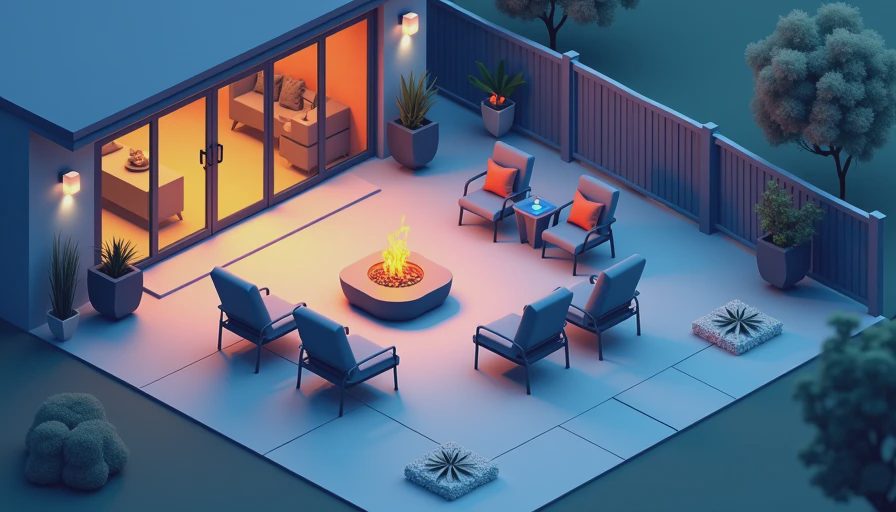
Backyard testing: convenience versus real heat
I judge tabletop fire pits using the same basic questions I use for camp stoves: How quickly does it start, how much attention does it require, and what happens when the fun part is over? The Mesa Solo Stove scores well on setup. Put it on a nonflammable, stable surface, add the recommended fuel, and light it with a long lighter. There is no propane hose, regulator, or separate gas canister to inspect.
The burn is easiest when the fuel is dry and the airflow is not blocked. Pellets can provide a steady flame, but loading too much at once can make the fire taller and smokier during startup. Small wood pieces give a more natural campfire appearance, though they need regular feeding. Either way, the experience is closer to managing a candle with opinions than tending a full campfire.
Cleanup is straightforward but not zero-effort. Let the unit cool completely, then empty the ash into a metal container or the appropriate outdoor waste area. Do not dump hot ash into a plastic trash can, grass, or a dry wooded campsite. The compact body makes cleanup less intimidating, but the small size also means ash can build up quickly during repeated burns.
Mesa Solo Stove versus a propane tabletop fire pit
A propane fire pit wins on instant control. Turn a knob, press an igniter, and shut it off when the kids announce that they are suddenly starving. It also produces no ash and can be easier to use where wood fires are restricted. The tradeoff is that you must carry a fuel cylinder, manage the hose, and accept a flame that feels more like an outdoor appliance than a campfire.
The Mesa Solo Stove wins on atmosphere and fuel simplicity. A bag of pellets can cost only a few dollars and is easy to tuck into a car-camping bin. You get crackling, glowing fuel, and the familiar smell of wood. You also get smoke during startup, soot on the unit, and a burn that cannot be stopped instantly. That makes it less convenient for a quick ten-minute evening and more satisfying when you have at least 30 minutes available.
For a patio, check local fire rules and place the pit well away from siding, umbrellas, furniture, dry leaves, and low branches. A tabletop fire pit should never sit directly on a plastic table or an unstable surface. Children also need a clear boundary because the compact design can look harmless even while the metal is extremely hot.

Is it useful for family camping?
The Mesa Solo Stove makes more sense for car camping than backpacking. It is compact compared with a full-size pit, but it is still an extra object, extra fuel, and extra safety responsibility. For a drive-in campsite with a picnic table, it can make a short overnight trip feel more comfortable without requiring a large fire ring setup. For a hike-in site, the weight and awkward shape are hard to justify.
Families should also think about timing. If your children want a large roasting fire, the Mesa will feel undersized. Its opening is better suited to modest marshmallow sessions than cooking dinner for a group. If the goal is a small flame while adults talk after the kids are in pajamas, it fits the assignment much better.
The Mesa Solo Stove is also useful for homeowners who cannot justify a permanent fire pit. Store it in a closet or garage, bring it out for a cool evening, and put it away after it has cooled and been cleaned. That kind of low-commitment ownership is its strongest argument.
What to look for before buying
Start with the version. Solo Stove has sold different Mesa sizes and updated designs, so compare the exact model rather than relying on a product photo. Look for included accessories, fuel guidance, dimensions, and whether a stand or shield is sold separately. A discounted base unit can become a $100-plus purchase after add-ons.
Next, decide whether pellets or wood will be your normal fuel. Pellets are cleaner and more predictable for occasional use. Small hardwood gives a better campfire feel but takes more storage space and produces more variation. If you already own a larger Solo Stove fire pit, shared accessories or fuel may improve the value.
Finally, budget for a safe surface and storage. A cover helps protect the finish from rain, but it does not replace drying the unit after use. A metal ash bucket, long lighter, heat-resistant gloves, and a small bag of approved fuel are practical additions. The Mesa Solo Stove is easier to enjoy when these boring details are ready before the first match.
Bottom line: who should buy it?
Buy the Mesa Solo Stove if you want a portable, attractive little wood fire for two or three people, short patio sessions, or car-camping weekends. It is especially appealing when a full-size fire pit would be excessive and a propane burner would feel too sterile. Expect pleasant nearby warmth, not a campfire heater for the whole table.
Skip it if you need instant shutoff, broad heat, smoke-free operation, or enough room to roast food for a crowd. A propane tabletop pit will be more practical in those cases. For everyone else, the Mesa Solo Stove is a focused piece of gear with a reasonable use case. I weighed it so you do not have to; the more important calculation is whether your evenings need a small fire or merely better bug spray.



Letters
No letters yet — be the first to write.