The msr pocket rockets stove family has earned a place in plenty of camp kitchens because it does one job well: boiling water without taking up much room. I tested the options with a digital scale, a 1-liter pot, and the kind of breezy backyard conditions that expose flimsy gear quickly. If you are choosing among the standard PocketRocket 2, PocketRocket Deluxe, and a few cheaper alternatives, the decision is less complicated than the product names suggest.
For a solo overnight, any of the msr pocket rockets canister stoves will handle coffee, oatmeal, dehydrated meals, and a small pot of pasta. The real questions are whether you want an integrated igniter, how much simmer control matters, and whether the price difference will improve your actual camping weekend. A stove that saves 1.5 ounces but makes breakfast annoying is not exactly a family efficiency win.
What you get from the PocketRocket 2
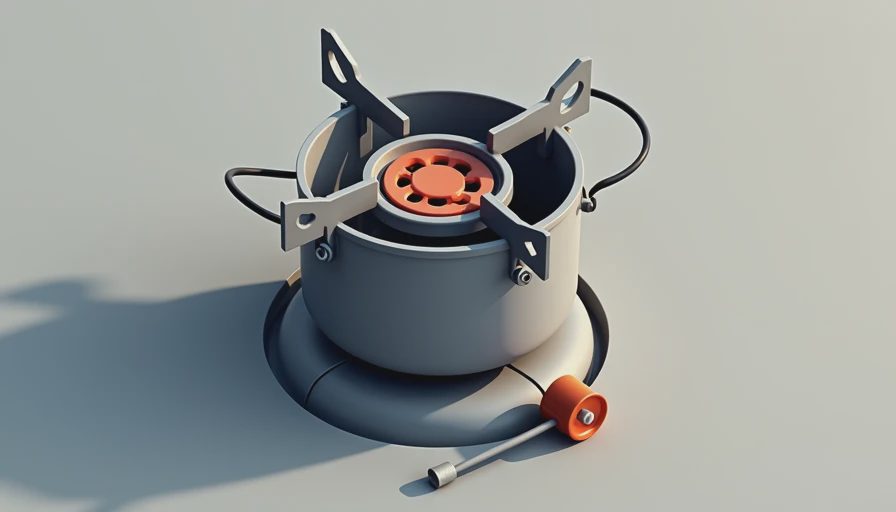
The PocketRocket 2 is the basic, sensible option. It weighs roughly 2.6 ounces without a fuel canister, folds into a compact package, and screws onto common threaded isobutane-propane canisters. Its pot supports fold out securely, and the flame adjustment gives you enough control for boiling water or cooking something gently in a small pan.
It does not have a built-in piezo igniter, so you need a lighter or matches. That sounds minor until the lighter is buried under a sleeping bag while two children ask when breakfast will be ready. I keep a small backup lighter in the cook kit anyway, which makes the missing igniter less important. The PocketRocket 2 is also loud compared with a full-size household burner, but not unusually loud for a compact backpacking stove.
MSR lists a fast 1-liter boil time for the PocketRocket 2 under controlled conditions. In practice, wind, water temperature, pot shape, and fuel level matter more than a catalog number. With a decent windscreen used safely around the sides, it gets water moving quickly. Do not fully enclose a canister stove, though; trapped heat can create a dangerous pressure problem.

PocketRocket Deluxe versus the standard model
The PocketRocket Deluxe adds a pressure regulator and push-button ignition. The regulator helps maintain more consistent performance as the fuel canister cools or empties, while the igniter removes one small piece of morning friction. It is also a little heavier and substantially more expensive than the standard model. In many stores, the difference has been around $30 to $40, although sales move that number around.
The Deluxe makes more sense if you camp often, cook instead of merely boiling, or dislike carrying a separate lighter. Its burner design spreads heat more evenly, which helps reduce the hot spot that can scorch soup or rice at the center of a narrow pot. That does not turn it into a gourmet kitchen. It simply gives you a larger margin for normal mistakes, including the classic move of answering a child’s question while the pot is already simmering too hard.
For a couple sharing one pot, I prefer the Deluxe. For a solo hiker who pours boiling water into a pouch, the standard PocketRocket 2 is usually enough. The msr pocket rockets lineup is not a case where the most expensive choice automatically wins; it depends on whether the convenience features appear in your routine.
Field notes: weight, stability, and wind
A compact stove can look wonderfully stable on a kitchen counter and less impressive on a picnic table. The PocketRocket supports small and medium pots well, but its narrow legs are not a substitute for a broad cooking base. Use a level surface, keep the pot centered, and avoid reaching over the flame. For a family meal, a lightweight canister stand can make the setup feel steadier, especially when a larger 2-liter pot is involved.
Wind is the bigger issue. The burner can produce a strong flame, but exposed air steals heat and fuel. A proper windscreen or a naturally sheltered cooking location improves results. Never wrap a solid windscreen tightly around a fuel canister stove. Leave ventilation around the canister and monitor the setup while it runs. The msr pocket rockets are quick tools, not unattended patio appliances.
On a scale, the difference between the PocketRocket 2 and Deluxe is small enough that most people will not notice it in a full backpack. You will notice the price, the igniter, and the smoother cooking behavior. I weighed it so you do not have to, but weight is only one row on the spreadsheet.
Fuel use and cooking for regular campers
For a short trip, a small threaded canister is often adequate when the stove is used for morning drinks and one dehydrated dinner per person. Exact fuel consumption depends on wind, boil volume, temperature, and whether you keep the burner roaring after the water is already hot. Turn the flame down once a boil is established. That saves fuel and prevents the bottom of the pot from collecting a layer of black soot.
The standard model is strongest as a boil-only tool. The Deluxe is easier to live with when cooking pancakes, warming chili, or keeping macaroni from becoming a sticky science project. Neither stove has the broad support or low center of gravity of a car-camping two-burner stove. If your cooler, cast-iron pan, and family-size skillet are coming along, use the bigger stove. These are for compact meals and smaller pots.
A practical packing system includes the stove, a lighter, a canister stand if needed, a small pot, and a storage bag that keeps soot away from clean gear. Test the burner at home before leaving. Check that the threads engage smoothly, inspect the O-ring, and listen for leaks only by smell and sound; never test for a leak with an open flame.
Which model should you buy?
Buy the PocketRocket 2 if you want the lowest weight and price, mostly boil water, and already carry a reliable lighter. It is the value choice and a good fit for backpackers who count every ounce without needing restaurant-level control.
Choose the PocketRocket Deluxe if you camp several times each season, appreciate push-button ignition, or cook real food in a small pot. The extra cost is easier to justify when the stove will see regular use. The regulator is useful in colder conditions and late in a canister’s life, though it is not a magic solution for freezing temperatures.
The msr pocket rockets family works especially well for weekend hikers, couples, and families splitting meals between adults. It is less suitable for large groups that need several pots running at once. In that situation, carrying two compact burners or using a larger car-camping system is more practical than asking one tiny stove to perform as a short-order kitchen.
Bottom line for weekend trips
The best msr pocket rockets choice is usually the one that matches your cooking habits rather than your imagined future expedition. The PocketRocket 2 is compact, capable, and refreshingly uncomplicated. The Deluxe buys convenience and better control, not a completely different category of performance.
For my family-style weekend kit, I would choose the Deluxe when cooking matters and the standard model when the menu is coffee, oatmeal, and hot water for pouches. Pack a lighter even if the stove has an igniter, use a safe wind setup, and practice once in the backyard. That five-minute test tells you more than another hour of product-page scrolling. Good spec, mediocre experience is still mediocre experience, but these stoves generally avoid that trap.




Letters
No letters yet — be the first to write.