The solo stove mesa is a compact tabletop fire pit designed for patios, decks, driveways, and campsite picnic tables. I tested it with the same question I use for most family gear: does the small size make weekends easier, or does it create another object to carry, feed, and clean? The answer is mostly favorable, with a few limits that matter before you spend roughly $100 to $150 on a decorative fire pit.
This is not a replacement for a full-size backyard fire ring. It is a small stainless steel container for short, controlled fires. Think coffee-table campfire rather than evening-long bonfire. That distinction makes the solo stove mesa more useful for families who want a little flame after dinner without buying firewood by the armful.
What the Solo Stove Mesa is built to do
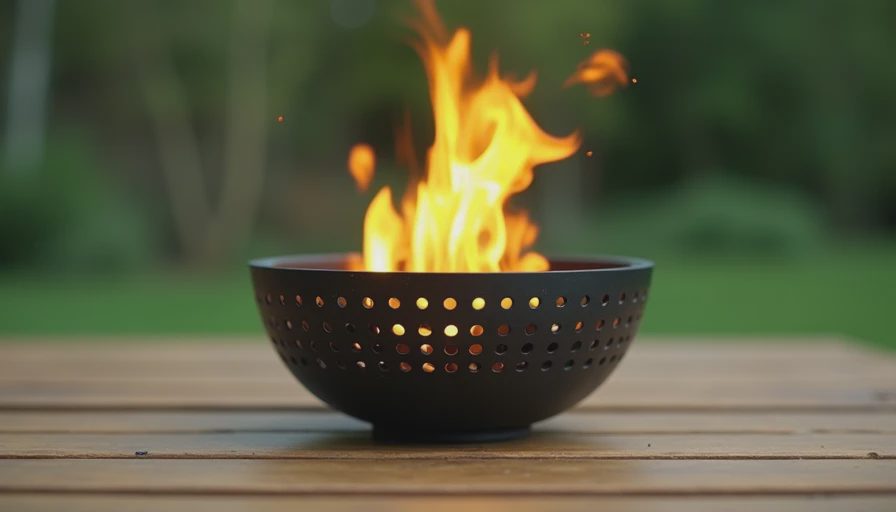
The solo stove mesa uses a double-wall design to encourage airflow around the fire. In plain English, the lower openings pull in air, and the upper vents help feed the flame. The result is a cleaner-looking burn than an open metal bowl when the fuel is dry and the fire is not overloaded.
The unit is small enough to carry with one hand, and most versions include a stand that lifts the hot body above the table surface. That stand is not optional decoration. It is part of the safe setup, especially on wood, composite decking, or a plastic folding table. A heat shield or nonflammable surface underneath is still a sensible addition because warm air and stray embers do not read product instructions.
Solo Stove sells the Mesa in different finishes and has offered both standard and larger Mesa XL versions. Check the exact model before ordering because dimensions, included accessories, and fuel capacity differ. The standard model favors portability; the XL gives you a little more room for wood pieces and a taller flame.
For fuel, the easiest option is hardwood pellets. Small dry sticks can work, but they need to be genuinely dry and short enough to sit inside the burn chamber. Damp twigs produce smoke, sputtering, and the familiar smell of a campfire that has lost an argument with the weather.
Backyard test: setup, burn time, and cleanup
I approached the solo stove mesa like a piece of household equipment, not a magic campfire. I placed it outdoors on a stable, nonflammable surface, added a modest amount of hardwood pellets, and kept a bucket of water nearby. Starting with too much fuel is the fastest way to turn a pleasant tabletop flame into a small management project.
Lighting is straightforward when the pellets are dry. A fire starter or long lighter works better than trying to nurse a match through the side openings. The first few minutes can look unimpressive, but the flame usually strengthens as the burn chamber heats. With a reasonable load, expect a short session rather than an all-night fire. That is useful for s'mores, conversation, or a 30-minute wind-down, but less useful for a group expecting continuous warmth.
Heat is concentrated above the opening. The solo stove mesa creates visible flame and some radiant warmth, but it does not warm several adults evenly like a full-size fire pit. At a family picnic table, the person sitting closest gets the best show and the best heat. Everyone else receives atmosphere, which is camping's polite term for “bring a sweatshirt.”
Smoke performance depends heavily on fuel and airflow. Dry pellets generally burn cleaner than damp sticks, while overfilling the chamber can create smoke and reduce the secondary-burn effect. When the fire is finished, let the unit cool completely before emptying ash. The small size makes cleanup easy, but ash can remain in the lower chamber and should be tipped out away from grass, mulch, and children.
How it works on a family weekend
The solo stove mesa makes the most sense when the fire is one activity among several. Put it on a campsite picnic table after dinner, use it beside a backyard board game, or bring it to a soccer weekend where a full fire ring would be unreasonable. It stores easily in a plastic bin with fire starters, pellets, gloves, and a small metal ash container.
For car camping, the compact footprint is a real advantage. A full-size Solo Stove Bonfire takes up meaningful trunk space and weighs enough that you notice it when moving camp. The Mesa can ride beside a cooler without requiring a packing diagram worthy of a NASA launch. I weighed it so you do not have to: the small unit is light enough for casual carrying, though the exact number depends on the version and accessories.
The tradeoff is capacity. Kids may want to keep adding sticks, and adults may expect a larger flame after seeing photos online. Establish a simple rule: one person feeds the fire, fuel stays below the recommended level, and nobody moves the unit while it is hot. That rule prevents most of the chaos associated with small fires around a crowded table.
The solo stove mesa also works better in calm weather than in exposed, windy areas. Its low profile offers little protection from gusts, and wind can scatter sparks or make lighting frustrating. Use it only where local fire rules, campsite policies, and weather conditions allow an open flame.
Solo Stove Mesa versus a traditional fire bowl
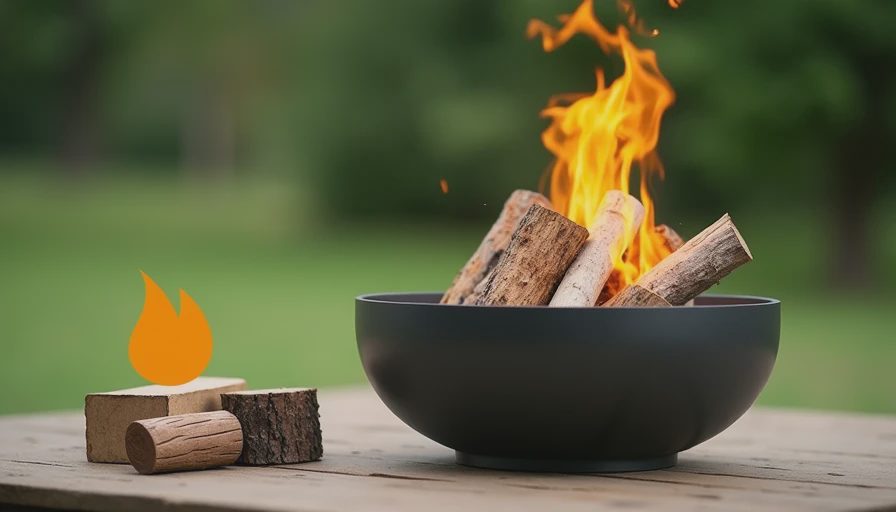
A traditional fire bowl wins on capacity, seating warmth, and long burn time. It can handle larger logs and serve a group for several hours. It also tends to cost less if you find a basic steel model at a hardware store. The downside is bulk, heavier cleanup, and a bigger commitment every time you want a fire.
The solo stove mesa wins on storage and simplicity. It uses less fuel, starts quickly, and looks tidy on a patio table. It is also easier to bring along for a weekend trip. However, the price per pound of metal is high, and the small chamber leaves less room for error. If you want a serious backyard gathering fire, buy the larger fire bowl. If you want a contained flame for two to four people, this compact format is easier to live with.
A tabletop gel burner is another alternative. Gel fuel usually produces a predictable flame with minimal ash, but it does not provide the same wood-fire character. Pellet fuel gives the solo stove mesa a more familiar campfire smell and sound, though it requires more attention during lighting and storage.
Buying advice and the final field-note verdict
Before buying, budget for more than the burner. A metal ash scoop, heat-resistant gloves, a small bag of hardwood pellets, and a protective pad can add $20 to $50. If you plan to use it on a wooden deck, include a properly rated heat barrier rather than assuming the stand solves every surface concern.
Look at the included stand, carry case, lid, and fuel recommendations for the exact listing. A bundle can be a better deal than purchasing accessories separately, while a sale on the bare unit makes sense if you already own safe fire tools. Avoid judging the product by flame height in promotional photographs; real performance depends on fuel, wind, and how much oxygen reaches the chamber.
The solo stove mesa is a good fit for weekend campers, patio owners, and families who want a short fire without storing a large pit. It is not the right choice for heating a crowd, burning full-size logs, or replacing a campground fire ring. On paper, this looks great. In a damp Ohio morning, less so, unless you bring dry pellets in a sealed bag.
My recommendation is simple: buy it when portability, tidy storage, and quick setup matter more than heat output. Skip it when your ideal evening involves six people, large logs, and several hours around the flames. For the right job, the solo stove mesa is a pleasantly low-drama piece of gear. That is high praise from a tester who has spent too many weekends sweeping ash out of things that were supposed to be simple.


Letters
No letters yet — be the first to write.