Camping table camping sounds like a simple search until you are balancing a stove, paper plates, two juice boxes, and a child who has decided the table is a climbing wall. The right table is not necessarily the lightest or cheapest model. It is the one that fits your vehicle, sets up without a minor engineering degree, and stays steady when dinner gets bumped.
For most families, a folding aluminum table between 20 and 30 pounds is the useful middle ground. It gives you enough surface for cooking and serving without turning the trunk into a furniture warehouse. I weighed it so you do not have to, and I also looked at setup time, packed size, leg design, and how annoying cleanup becomes after a damp weekend.
What size camping table do you actually need?
Start with the jobs, not the advertised seating capacity. A table measuring about 27 by 27 inches works for a camp stove, a cutting board, and a few utensils. It is compact enough for a Subaru Outback or similar vehicle and usually weighs around 10 to 18 pounds. That is a sensible choice for a couple or a family that cooks in batches and eats from laps or separate camp chairs.
A table closer to 48 by 24 inches is more comfortable for four people. It can hold a two-burner stove on one side and plates, mugs, and condiments on the other. The tradeoff is bulk. Packed lengths often land near 24 to 30 inches, and some models weigh 20 to 30 pounds. That is not heavy in the abstract, but it becomes heavy when you are carrying it, a cooler, firewood, and a child’s forgotten scooter from the parking area.
For camping table camping, surface height matters too. Most standard models sit around 27 to 28 inches high, which feels like a normal dining table. Adjustable-leg models can drop lower for kids or uneven ground, but each extra hinge is another part to inspect. A height adjustment that takes 90 seconds at home can take five minutes in cold rain, particularly when one leg refuses to lock.
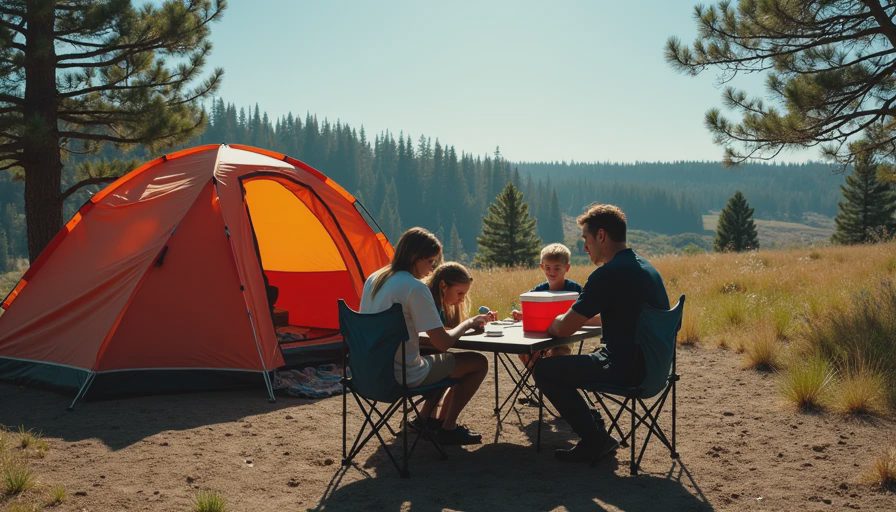
Folding legs, roll tops, and the stability question
Table designs usually fall into three groups. A folding-panel table has a rigid top that folds in half. These are fast to open and easy to wipe down, but the folded top can be thick. A roll-top table uses slats attached to fabric or flexible straps. It packs smaller and often looks appealing for lighter camping, though small items can wobble near the seams.
The third style is a plastic or composite folding table, similar to a compact utility table. These are often the most stable and easiest to clean. They can handle spilled cocoa and muddy fingerprints with a wet towel. The downside is weight and packed volume. A 4-foot plastic table may be excellent for a drive-up campsite and irritating for a short walk from the car.
Leg geometry is more important than a flashy tabletop finish. Cross-braced legs resist side-to-side movement better than four narrow straight legs. Wide feet help on soft soil, while narrow feet are easier to place between rocks. Before buying, open the table on a hard floor and press down on each corner. If it twists noticeably, imagine a full pot of chili moving across it. Good spec, mediocre experience.
Weight, packed size, and setup time
For weekend car camping, I would rather save five minutes of setup than three pounds of table weight. A table that opens in under 30 seconds is likely to get used for breakfast, not just dinner. That distinction matters. Gear that is annoying becomes gear that stays in the garage, where it enjoys perfect weather and zero utility.
When comparing camping table camping options, record three measurements: actual weight, packed length, and the space needed to open the legs. Manufacturers sometimes list tabletop dimensions but skip the awkward details. A model may fit lengthwise in a cargo area while blocking the hatch or preventing a cooler from sliding out.
A useful rule is to assign a job to every pound. If a 12-pound table supports only a mug and lantern, it needs to be exceptionally compact. If a 25-pound table replaces a cooking station, serving table, and kids’ activity surface, the weight earns its place. For a family of four, that larger table can reduce extra gear by eliminating a separate side table.
Materials and weather tolerance
Aluminum is common because it is light, does not rust, and dries quickly. Thin aluminum panels can dent, and hollow frames may feel tinny, but neither issue usually matters for ordinary meals. Steel frames are stronger and frequently cheaper, yet they add weight and can develop rust if stored wet.
Plastic tops handle abuse well. A Coleman-style folding utility table, for example, is generally more forgiving around children than a delicate roll-top surface. The concern is not luxury; it is cleanup. Tomato sauce, sunscreen, and pine sap should come off with household soap rather than require a field repair kit.
Fabric shelves are useful for utensils, but they collect crumbs and dampness. If you choose one, remove the shelf when packing and let it dry fully at home. On paper, this looks great. In a damp Ohio morning, less so. Mold prevention is not glamorous, but neither is discovering a furry spoon pocket before your next trip.

A practical buying test before your first trip
Use this five-minute test in the store or living room. First, unfold the table and time the process. Second, place a full water bottle at each corner and press near the center. Third, check whether the legs lock positively rather than relying on friction. Fourth, fold it and measure the packed shape. Finally, carry it one-handed while opening a car door. If the table catches on the door frame, that inconvenience will repeat every trip.
For camping table camping, also test the table with your real cookware. Put a two-burner stove, fuel canister, cutting board, four plates, and a 12-inch skillet on top. Leave enough space to set down a hot lid. If everything fits only by stacking, the tabletop is too small for your cooking style.
Prices commonly range from about $35 for a basic plastic utility table to $150 or more for a lighter aluminum model with adjustable legs and a premium carry system. Spending $60 to $90 often buys the most practical balance for car campers. You do not need a titanium command center for pancakes.
My recommendation for most families
The best camping table camping choice for a typical weekend family is a rectangular folding table around 40 to 48 inches long, 24 to 28 inches wide, and under 25 pounds. Choose a rigid top if kids, sauces, and frequent cleanup are part of the program. Choose a roll-top aluminum model when packed size matters more and cooking loads are modest.
Skip tables that wobble empty, have vague leg locks, or require a separate puzzle piece to assemble. Brand names such as Coleman, Lifetime, REI Co-op, and Alps Mountaineering cover several different designs, so compare the actual model rather than assuming the logo tells you everything. A familiar brand can still make a table that is too small for your needs.
The useful goal is not buying the most technical table. It is creating a dependable work surface that makes camp cooking faster and keeps dinner off the ground. Measure your vehicle, test the packed weight, and match the surface to your menu. Do that, and camping table camping becomes less about browsing specifications and more about eating warm food before the kids lose interest.




Letters
No letters yet — be the first to write.