The exped megamat is the kind of camping pad that makes a cheap, crinkly air mattress feel like a design mistake. It is thick, insulated, wide enough for normal human shoulders, and built for campers who want a better night without bringing an actual mattress from home. I have used mine for backyard tests, family car-camping trips, and the occasional morning when the tent had more condensation than dignity. The short version: it is exceptionally comfortable, but its size, price, and setup time matter.
What the exped megamat is designed to do
The basic idea is simple. This is a self-inflating sleeping pad that combines open-cell foam with air space. You open the valves, let the foam expand, and add air until the firmness feels right. The foam provides insulation and structure, while the air chamber creates the deep cushion that separates your hips and shoulders from hard ground.
That combination makes the exped megamat different from a thin backpacking pad. It is not trying to disappear into a 20-liter pack. It is trying to make a weekend at a campground feel less like sleeping on a folded picnic table. The pad is especially appealing to side sleepers, larger adults, and anyone whose lower back files a formal complaint after a night on a narrow mattress.
Exped sells several versions and sizes, so dimensions, insulation ratings, valve layouts, and packed weights can differ. That matters. A long-wide model can be dramatically more comfortable, but it also takes more room in a trunk or gear closet. Read the specific product label rather than assuming every model shares the same specifications.
Comfort testing on real ground
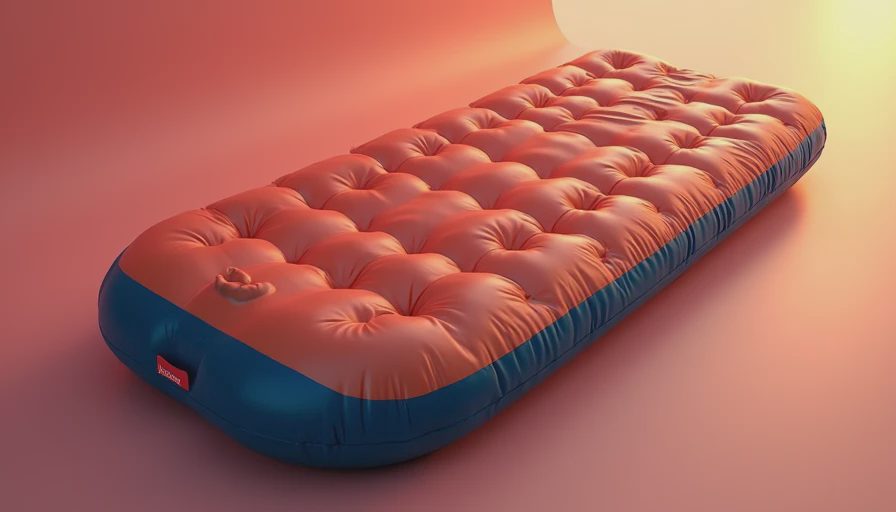
Comfort is where the exped megamat earns its reputation. On a level tent floor, the thick profile creates enough cushioning to let a side sleeper settle in without immediately feeling the ground underneath. I can adjust the firmness with a few short air additions, which is useful when one person wants a soft surface and another wants something closer to a firm guest bed.
The surface fabric feels less slippery than many lightweight air pads, and the rectangular shape uses tent space efficiently. There is no dramatic mummy taper stealing room from your elbows. That sounds minor until a child wanders into the tent at 2 a.m. and somehow occupies forty percent of the available floor.
Still, comfort has a limit. A thick pad cannot correct a badly sloped campsite, rocks under the tent, or a sleeping bag full of lumpy clothes. Clear the site first. The exped megamat improves the sleep system; it does not repeal the laws of campground drainage and gravity.
Warmth, insulation, and cold-weather use
The foam construction gives the exped megamat meaningful insulation from cold ground. That is valuable in spring and fall, when the air temperature may be tolerable but the soil quietly drains heat from anything touching it. A well-insulated pad can make the same sleeping bag feel warmer without adding another blanket.
For ordinary three-season family camping, the pad offers more warmth than a basic uninsulated air mattress. In colder conditions, your sleeping bag, clothing, tent, and ground conditions still matter. No pad should be treated as a complete cold-weather system by itself. Place it inside the tent, avoid wet ground, and use the manufacturer’s temperature guidance as a starting point rather than a dare.
One practical advantage is reduced air movement beneath your body. Some thin air mattresses feel like floating on a waterbed when you turn over. The foam-and-air construction feels steadier, which helps restless sleepers and makes the pad less annoying when two people share a tent.
Setup and pack-down for busy families
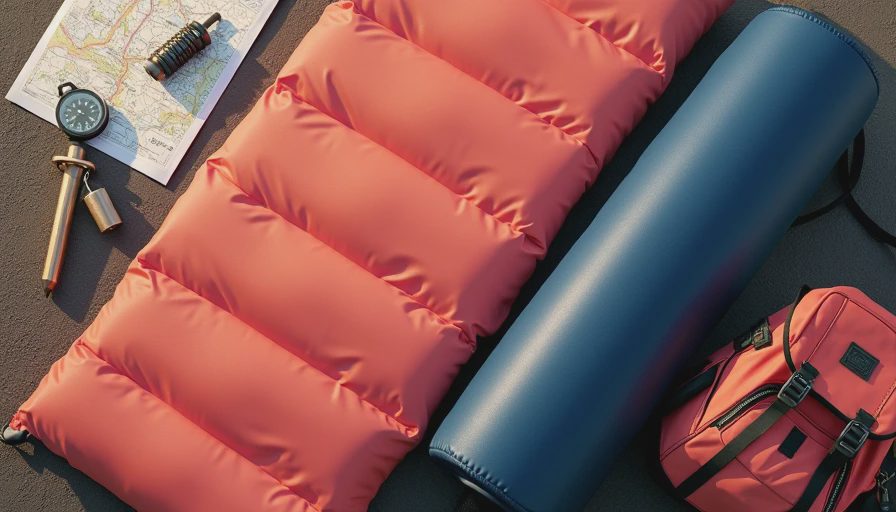
The exped megamat is easy to understand, but it is not instant. Inflation usually involves opening the valves, waiting for the foam to expand, and fine-tuning the pressure. On a warm afternoon, that process is painless. At bedtime, with tired kids asking for snacks, a pad that needs several minutes of attention feels less charming.
Deflation takes longer than with a thin backpacking mattress because you are pushing out more air and compressing foam. The best routine is to open the valves early, fold the pad in sections, and use body weight to remove trapped air. Do not rush the final roll. A sloppy first fold creates a bulky package and makes the storage bag look personally offended.
For car camping, this is a reasonable trade. The pad can stay in a trunk or storage bin, and the comfort benefit lasts all night. For backpacking, the packed size and weight become much harder to justify unless sleep quality is your primary priority.
Durability and everyday maintenance
The exped megamat feels substantial rather than delicate. That does not mean it is puncture-proof. Keep tent stakes, pocketknives, dog claws, and enthusiastic children away from the exposed surface. A footprint or clean blanket under the pad can reduce abrasion when using it outside the tent.
At home, store it according to the manufacturer’s instructions, usually with valves open and the pad loosely laid out rather than tightly compressed for months. Let moisture dry before storage, especially after a humid weekend. If a valve starts leaking, check the connection and cap before assuming there is a puncture. Small maintenance steps are less exciting than buying a replacement, which is precisely why they work.
The fabric can be spot-cleaned with mild soap and water. Avoid aggressive cleaners that could affect coatings or adhesives. A simple inspection before each trip takes two minutes and can prevent discovering a problem beside a dark tent at a campground.
How it compares with cheaper options
A basic foam pad may cost under $40 and weigh very little, but it offers limited cushioning. A budget air mattress might cost $30 to $80, yet many are noisy, poorly insulated, or vulnerable to leaks. Midrange self-inflating pads often land between those choices, offering a reasonable balance for occasional campers.
The exped megamat sits at the premium end. Depending on size and model, pricing can reach well above $200, so the value depends on how often you camp and how much poor sleep costs you the next day. A family that camps twice a summer may be happier with a less expensive pad. Someone camping monthly, dealing with back discomfort, or replacing flimsy mattresses every year can make a stronger case for the upgrade.
The key comparison is not just purchase price. Consider packed space, warranty support, setup effort, expected lifespan, and whether the pad keeps you functional for the drive home. A cheap mattress that leaves you sore is not automatically a bargain.
Buying checklist and final recommendation
Before ordering, confirm the exact width, length, thickness, packed dimensions, insulation information, valve design, and included repair kit. Measure your tent floor and your storage bin. If you camp with a partner, compare the pad’s width with the space between tent walls. Some wide models fit beautifully in a family tent and awkwardly in a compact two-person shelter.
The exped megamat makes the most sense for car campers, family weekend trips, cold-season tent use, and adults who prioritize reliable sleep. It is less compelling for ultralight backpacking, minimalist overnights, or anyone who needs every item to fit inside a small pack. I weighed it so you do not have to, but the more important measurement is how much patience you have for a bad night of sleep.
My recommendation is straightforward: buy the exped megamat when comfort is a central part of the trip and the premium price fits your camping frequency. Choose a lighter, cheaper pad when portability matters more. This is excellent gear, not magic gear, and the best purchase is the one you will actually bring along.



Letters
No letters yet — be the first to write.