The dakine ultra lightweight camp table is aimed at campers who want a real surface without hauling a folding patio table from the garage. That is a sensible goal. A small table can hold a stove, two mugs, a lantern, and the mysterious collection of snack wrappers produced by children in under ten minutes. The question is whether the weight savings make camp life easier or simply create a smaller item that still needs careful handling.
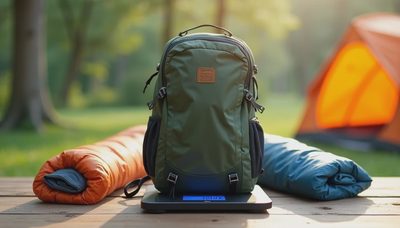
I look at this table the same way I look at any compact camp item: packed size, setup time, useful surface area, stability, cleaning, and the annoying details that only appear after dinner. I weighed it so you do not have to, although your mileage will depend on the exact production version and accessories included in the package.
What the table is trying to solve
Traditional aluminum camp tables are convenient, but many are bulky enough to claim an entire corner of a Subaru Outback. They often weigh several pounds, use a rigid folding frame, and arrive at camp with a carrying bag that is somehow both oversized and impossible to zip. The dakine ultra lightweight camp table takes a different route by prioritizing portability over furniture-like solidity.
That tradeoff makes sense for three groups. First, backpackers and car campers who want a dedicated cooking surface without bringing a full-size table. Second, families with limited trunk space, where every soft cooler and soccer chair is competing for the same square foot. Third, weekend campers who already own a picnic table but want a clean, level spot for a stove or coffee setup.
It makes less sense if you expect one table to serve as a workbench, dining table, and child-proof snack station. Lightweight gear has limits. A table that disappears into a small pack usually will not tolerate the same abuse as a steel-framed camp kitchen.
Packed size, setup, and first impressions
The most important benefit is not the number printed in a product listing. It is what happens when you load the car. A compact table can slide beside a tent bag or under a rear seat instead of becoming one more rigid object to stack around. That matters on family trips, especially when the cooler is already full and someone has packed a stuffed animal the size of a carry-on suitcase.
Setup should be nearly automatic: remove the table from its storage configuration, unfold or connect the support structure, and tension the top if the design uses a fabric panel. I would time three setups rather than trusting the first attempt. The first run includes reading instructions. The second reveals whether the process is intuitive. The third tells you what happens when you arrive in the rain and are more interested in hot food than engineering.
The dakine ultra lightweight camp table earns its keep when it can be deployed in well under two minutes without loose parts disappearing in grass. Watch the feet during setup. Uneven ground is common at campsites, and a light table can rock if one leg sits on a root or soft soil. A flat spot and a simple shake test prevent most spilled coffee incidents.

Stability matters more than the scale reading
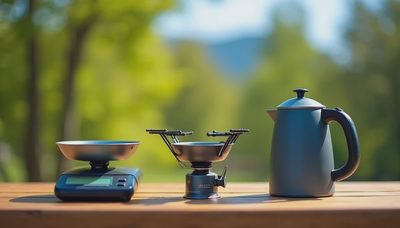
A low weight is useful, but stability decides whether the table is enjoyable. I test a camp table with an empty mug, a full water bottle, a small stove, and a plate. Then I apply gentle pressure near each corner. This is not a laboratory load rating; it is a practical check for the things people actually put on a campsite surface.
The dakine ultra lightweight camp table should be treated as a light-duty platform unless the manufacturer lists a clear capacity and construction details. Keep heavy water jugs and cast-iron cookware on the ground. Put a stove, fuel canister, utensils, and food containers in the center rather than on the outside edge. That arrangement lowers the tipping risk and leaves enough room for a person to work.
Wind is another factor. A lightweight table has less mass resisting a sudden gust, especially when its top is empty. In exposed areas, place it behind a cooler or chair, but do not block ventilation around a stove. Never use a cooking appliance in an enclosed tent or place hot cookware on a surface unless the product instructions specifically allow it. A small heat-resistant pad can protect a table from warm dishes, but it does not turn fabric into a burner stand.
Family-camping use after the novelty wears off
For a couple on an overnight trip, a small table can be enough for breakfast and coffee. For a family of four, it is better viewed as a station with one job. Use it for cooking, hand washing, or keeping electronics off the ground, while the picnic table handles plates and elbows. That division is more realistic than trying to make a compact table serve everyone at once.
The dakine ultra lightweight camp table is especially useful beside a tent or under an awning. It gives a headlamp, glasses, phone, and water bottle a home that is not the dirt. At a youth soccer weekend, it can hold snacks and a thermos without adding another heavy folding table to the vehicle. On a short car-camping trip, that convenience can outweigh a modest price premium.
Cleaning is simple in theory but important in practice. Wipe food and sunscreen from the top before packing it. Shake out grit, let damp fabric dry at home, and inspect the joints for sand. Packing wet gear into a closet is how a harmless weekend purchase becomes a science project by Thursday.

Where it fits against heavier alternatives
A standard folding aluminum table generally offers more usable area and a firmer cooking platform. Brands such as Coleman and Lifetime sell larger, more furniture-like options that work well for drive-in camping and tailgating. The price is bulk: these tables take more room and are less pleasant to carry from a distant parking area.
Ultralight backpacking tables from companies such as Helinox often push portability further, but prices can rise quickly. They can be excellent for hikers who count ounces, yet a family camper may not need to pay for every gram saved. The dakine ultra lightweight camp table sits in the practical middle if you value low bulk but still want a dedicated surface for a weekend kit.
Think in terms of use frequency. If the table will live in a daypack and come out on short hikes, compactness deserves priority. If it will stay beside a vehicle, a heavier aluminum table may provide better value. Spending an extra $50 to save trunk space is reasonable only if that space is genuinely a problem, not because a product page made the smaller number look heroic.
A simple buying and testing checklist
Before buying the dakine ultra lightweight camp table, confirm the packed dimensions, listed weight, maximum load, tabletop materials, and what the carrying case includes. Product names can remain the same while colors, accessories, or construction details change between seasons. Measure the storage space in your car instead of guessing. A table that fits beside the spare tire is more useful than one that technically fits nowhere.
When it arrives, run a five-minute home test. Set it up on a hard floor, check for wobble, place a full mug in the center, and fold it back into the bag. Repeat outside on uneven ground. If the feet sink, add a flat ground sheet or move to firmer soil. Keep the receipt and packaging until you have completed one real outing.
My practical recommendation is straightforward: buy this style of table when packed size and low carry weight solve a real problem. Choose a larger aluminum model when you need a broad cooking area, expect children to lean on the edge, or mostly camp beside the car. The dakine ultra lightweight camp table is not portable magic, and good spec can still produce a mediocre experience if the job is too large. Used within its limits, though, it makes more sense for a family weekend than for a 200-mile flex.

Letters
No letters yet — be the first to write.