A nemo sleeping pad can be an excellent upgrade for family camping, especially when a thin foam mat has made your hips feel like they spent the night on a pallet. Nemo makes several pads for different jobs, from lightweight backpacking to roomy car-camping comfort. The trick is separating useful design differences from clever names and glossy product photography. I weighed it so you do not have to, but you still need to decide what kind of sleeping you actually do.
Start with how you camp
For a couple carrying gear several miles, packed size and weight matter more than a luxurious surface. For a family driving to a campground, an extra few ounces can buy easier inflation, more width, and fewer complaints from children who apparently require hotel-level bedding in a tent.
The Nemo sleeping pad range generally falls into three practical categories. The Tensor line targets backpackers who want an inflatable pad with a small packed size and strong comfort. The Switchback is a folding closed-cell foam option that is simple, durable, and useful under other pads. The Roamer is aimed more at car camping, where a thick, broad mattress matters more than shaving space from a backpack.
Your sleeping position also matters. Side sleepers usually notice pressure points first, so thickness and stable support deserve attention. Back sleepers can sometimes use a thinner pad comfortably. A child may sleep happily on almost anything, although that same child may also drag a sharp stick into the tent. Durability is not an abstract concern in family campgrounds.

Comfort is more than thickness
A thick Nemo sleeping pad can feel impressive when you first kneel on it, but the real test is whether your hips stay supported at 2 a.m. Inflatable pads provide adjustable firmness, so you can release a little air when the surface feels too rigid. That small adjustment often matters more than another half-inch of advertised height.
Look for a pad wide enough to keep your elbows and shoulders from falling onto the tent floor. Standard mummy shapes save material around the feet, while rectangular versions give restless sleepers more usable space. For a child, a regular width may be fine. For a broad-shouldered adult, saving a few inches can create a nightly wrestling match with the edge seam.
Noise is another practical detail. Some lightweight air pads produce a crinkly sound when a sleeper turns over. That may not bother one person, but it can wake a partner in a quiet tent. Before buying, read reviews that discuss movement and sound rather than only warmth and packed size. A good specification can still produce a mediocre experience.
Choose insulation for the season
The insulation rating, commonly shown as an R-value, describes how well a pad slows heat loss into the ground. Higher numbers are generally better for cold conditions. For summer campground trips, moderate insulation is usually enough. Shoulder-season camping calls for more protection, particularly on damp ground or chilly nights.
A Nemo sleeping pad with a higher R-value can be useful for families who camp in spring and fall instead of limiting trips to July. You do not need to buy the warmest model automatically, though. A heavily insulated pad can cost more and weigh more, while offering little benefit during hot-weather camping.
Think about your full sleep system. A sleeping bag, quilt, tent floor, clothing, and ground conditions all affect comfort. On paper, this looks great. In a damp Ohio morning, less so. Moisture and cold soil can make a moderately insulated pad feel less comfortable than it did during a warm indoor test.
Inflation, packing, and repairs
The best Nemo sleeping pad for a busy family is often the one that sets up without a ten-minute argument. Inflation bags can reduce moisture entering an air chamber and save your lungs. They also help when several beds must be prepared before dinner. Test the valve at home, because learning it by headlamp while a child asks when food will happen is poor scheduling.
Deflation deserves equal attention. A pad that inflates quickly but folds into a stubborn burrito can slow every morning departure. Open the valve fully, push air toward it in sections, and use the original storage sack only after the pad is reasonably compact. Do not force a wet pad into storage for weeks. Let it dry at home first.
Bring a small repair kit on trips that involve rocky sites, dogs, or enthusiastic children. Clear the tent floor before laying out an inflatable pad, and keep it away from campfire sparks. A patch kit weighs almost nothing compared with the inconvenience of sleeping on a deflated mattress.
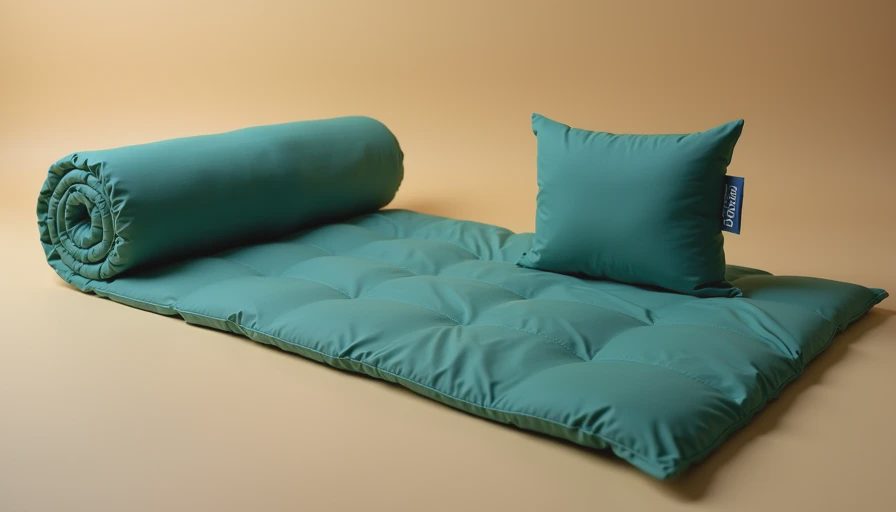
Comparing the main Nemo options
The Tensor makes the most sense when you want backpacking comfort without carrying a bulky mattress. It packs small and offers the adjustable firmness that many side sleepers prefer. Its tradeoff is a greater need for care around sharp objects and a higher price than basic foam.
The Switchback is the practical backup. It cannot match a thick inflatable pad for pressure relief, but it has no air chamber to puncture and unfolds quickly. It also works as an extra layer under an inflatable model, which can improve insulation and protect the more expensive pad from rough ground.
The Roamer is a different proposition. It belongs in a vehicle, family tent, or guest-bed setup rather than a minimalist pack. Its larger dimensions and plush feel make sense when comfort is the priority. A Nemo sleeping pad in this category can be worth the extra storage space if your camping routine involves short walks from the car and long evenings around the site.
Prices commonly range from roughly $50 for a basic foam model to well over $200 for premium insulated inflatables, depending on size and sales. REI, Backcountry, and direct brand sales often rotate discounts, so comparison shopping can save $30 to $70 without changing the model you buy.
A simple buying test before checkout
First, measure the tent floor and compare the pad's inflated width with the available space. Two wide rectangular pads may not fit comfortably inside a narrow two-person tent. Second, check the packed dimensions against your backpack or storage bin. A pad that technically fits may consume the room reserved for clothing and breakfast supplies.
Third, decide whether one pad must cover every season. If yes, prioritize insulation and repairability. If you own separate summer and shoulder-season kits, you can spend less on the warm-weather option. Fourth, confirm the return policy and test the pad indoors on a clean floor. Inflate it for several hours, lie in your normal sleeping position, and listen when you turn.
Finally, consider who will use it. A solo adult may value low weight, while a parent may value a quieter surface and faster setup. The Nemo sleeping pad is not a single product decision; it is a fit between the sleeper, the tent, the season, and the transportation method.
Final recommendation
For most weekend backpackers, the Tensor family is the starting point because it balances comfort, packed size, and useful insulation. For car campers, the Roamer deserves attention if better sleep is worth carrying a larger bundle. The Switchback remains the sensible choice for simplicity, backup duty, and children who treat gear like playground equipment.
Buy the Nemo sleeping pad that matches your actual trips, not the imaginary expedition you might take someday. A lightweight inflatable is unnecessary for a drive-up campsite, just as a bulky mattress is a poor choice for a full pack. Measure your space, compare R-values, practice the valves, and wait for a legitimate sale. Better sleep is a fine camping luxury; hauling the wrong bed through the woods is not.



Letters
No letters yet — be the first to write.