An rtic soft cooler looks like a straightforward piece of gear: put food inside, add ice, and try not to leave it in the hot car. That is mostly the job description, but real use adds complications. Kids open the zipper repeatedly, grocery runs take longer than planned, and the cooler somehow ends up carrying damp towels on the drive home. I tested the rtic soft cooler as a regular family would use it, not as a wilderness expedition trophy.
The useful question is not whether it keeps ice cold in a laboratory. Most insulated coolers can do that for a while. The useful question is whether the cooler balances capacity, weight, access, cleanup, and price well enough to earn space in your trunk. For short camping trips and busy weekends, those details matter more than an impressive product photo.
What the RTIC soft cooler gets right
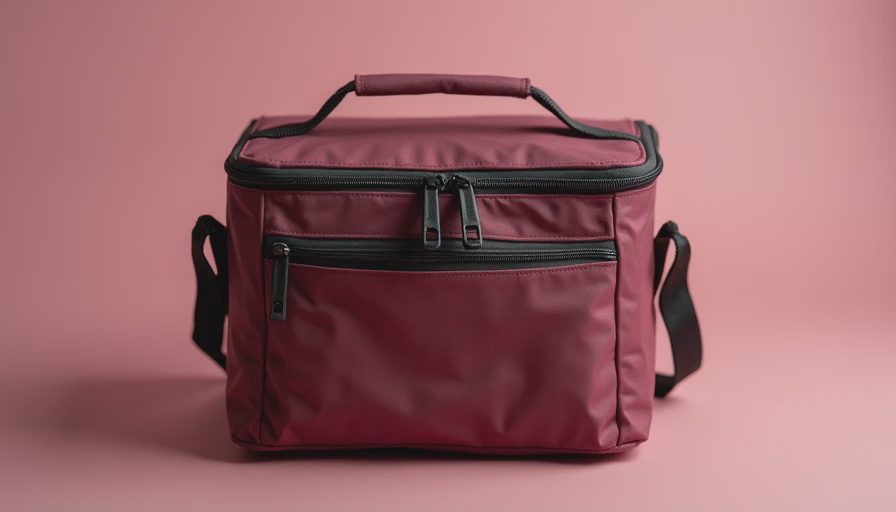
The first advantage is portability. A soft-sided cooler is easier to lift, squeeze into a crowded cargo area, and carry from the parking lot than a large roto-molded box. The rtic soft cooler also has the practical shape many families need: broad enough for sandwiches and drink cans, but not so tall that it becomes an awkward cooler-shaped suitcase.
The shoulder strap helps when both hands already have a tent bag and a folding chair. The handles feel more useful for short carries, such as moving lunch from the car to a picnic table. This is not ultralight gear, but it avoids the unpleasant dead weight of a thick hard cooler before food and ice are added.
The insulation performs best when the cooler starts cold. Pre-chilling it with a frozen bottle or a small bag of ice reduces the initial temperature climb. A full load also holds temperature better than a half-empty load because cold contents do some of the work. That is basic physics, not cooler magic, but it is where many disappointing tests go wrong.
Capacity for family weekends
Capacity claims can be slippery because cans, sandwiches, and ice packs occupy space differently. In my use, the rtic soft cooler made sense as a lunch-and-drinks cooler for two adults and two children. It handled several bottled drinks, fruit, snack bags, and containers without requiring careful Tetris-level packing. That alone has value when everyone is asking whether the cooler is ready while you are still looking for the car keys.
For an overnight trip, I would use it for food that needs to stay chilled while a separate dry box carries bread, crackers, and utensils. Trying to make one soft cooler handle every meal usually creates a cold, damp excavation project. The bottom items stay protected, but access becomes slow once ice packs and containers are stacked together.
The rtic soft cooler is especially useful for vehicle camping, campground lunches, tailgates, and soccer sidelines. It is less convincing as the only food-storage solution for a large group. A family of four can make it work for a day, but a three-day camp menu deserves either a second cooler or a larger hard-sided model.
Insulation, zipper, and daily handling
A cooler can have thick insulation and still be annoying if the opening fights you. The rtic soft cooler zipper requires a deliberate pull, especially when the top is stuffed full. That tight seal helps retain cold air, but it rewards packing the contents below the zipper line instead of forcing one final oversized container into place.
For a fair backyard check, I loaded cold drinks, chilled food containers, and frozen packs, then kept the cooler in a shaded area through a warm afternoon. The contents stayed properly cold for a normal day outing. Ice performance depends heavily on starting temperature, pack type, sunlight, and how often the lid opens, so I would not promise a fixed number of ice days from any soft cooler.
The exterior handles routine bumps well, while the soft construction gives it a little forgiveness in the trunk. That flexibility is a benefit until someone stacks a heavy camp stove on top. The rtic soft cooler is not a seat, step, or cargo platform. Treating it like one is an easy way to turn a useful purchase into a repair project.
Cleaning and the damp-clothing problem
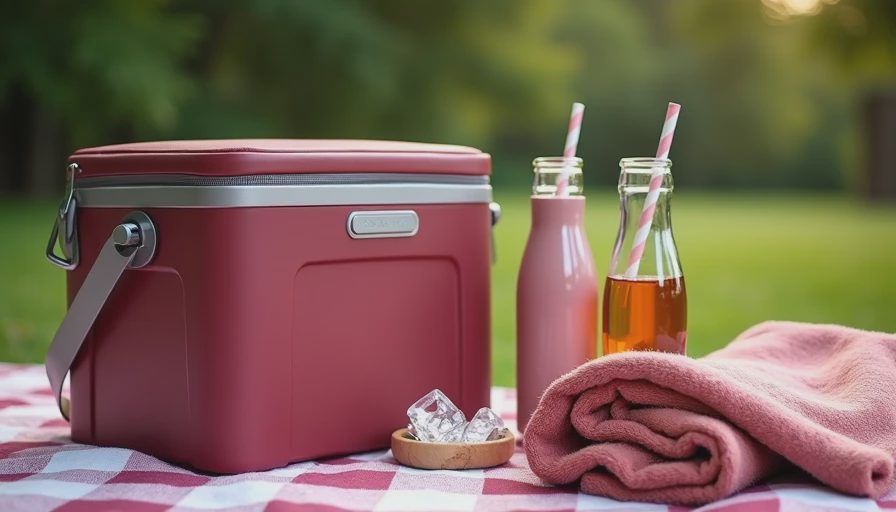
Food coolers eventually encounter spilled juice. This is not a possibility; it is a calendar event. The lining is easier to wipe than a fabric tote, but cleaning still requires removing food crumbs from seams and leaving the cooler open until it dries. Closing it while damp creates the familiar smell of a gym bag that has made several poor decisions.
I prefer using leak-resistant containers and frozen bottles instead of loose ice when the trip includes sandwiches or sliced fruit. Frozen bottles reduce meltwater, remain useful as drinking water, and keep the interior less swamp-like. If loose ice is your normal method, drain meltwater before storage and wipe the inside with mild soapy water.
The rtic soft cooler works best when its flexible walls are allowed to dry fully. A garage shelf or shaded porch is better than the back of a sealed vehicle. This is mundane advice, but mundane advice prevents more cooler problems than dramatic gear hacks do.
How it compares with other cooler types
A hard cooler generally wins for maximum ice retention, stacking, and rough handling. A soft cooler wins for carrying comfort and storage. Brands such as Yeti, Hydro Flask, and Coleman offer soft-sided alternatives at different prices, while RTIC is often attractive to shoppers who want substantial insulation without paying the highest premium.
The rtic soft cooler occupies a sensible middle ground. It is more structured and protective than a basic grocery cooler, but less bulky than a large hard chest. A simple insulated tote can cost less and weigh less, though it usually gives up zipper structure, padding, and cold retention. The right comparison depends on the job: lunch transport is different from keeping meat cold for a long drive.
For a family that already owns a large hard cooler, buying this style adds convenience rather than duplicate capacity. It can carry the food needed during the day while the bigger cooler stays at camp. That division is easier than opening one giant box every time someone wants a cheese stick.
Who should buy it?
The rtic soft cooler makes sense for weekend campers, day-trip families, road-trip lunches, and anyone who needs cold storage without another rigid box in the garage. It is a good fit when carrying comfort and flexible packing matter more than maximum multi-day ice life.
I would skip it as a primary expedition cooler or as the only food container for a large group over several days. For those jobs, compare larger hard coolers and plan for better organization. For ordinary American weekends, though, the balance is strong: useful capacity, manageable weight, decent insulation, and fewer awkward lifting moments.
My final advice is simple. Measure the trunk space, count the people you normally feed, and decide whether you prefer ice packs or loose ice. If those answers point toward a portable day cooler, the rtic soft cooler deserves a place on the shortlist. I weighed it so you do not have to, and it passed the more important test: it was still convenient after the camping excitement wore off.



Letters
No letters yet — be the first to write.