The thermarest neoair xlite is one of those sleeping pads that looks almost too small to support an adult. Rolled up, it resembles a burrito made for a very disciplined squirrel. Unrolled, it offers a strong combination of low weight, insulation, and packability for backpackers and car campers who still carry their own gear from the parking lot.
I tested the current NeoAir XLite NXT in the way most busy campers actually use equipment: on backyard ground, short weekend trips, and mornings when nobody wants to spend 12 minutes inflating a pad while children ask where breakfast is. The result is not a universal recommendation. It is a very good pad with a few tradeoffs that matter more than the marketing language suggests.
What the thermarest neoair xlite does well
The main appeal is efficiency. Depending on the size, the pad weighs roughly 12 to 16 ounces and packs down smaller than many insulated alternatives. That difference becomes noticeable when a family is carrying several sleeping bags, a tent, food, and a collection of items that somehow includes three flashlights but no batteries.
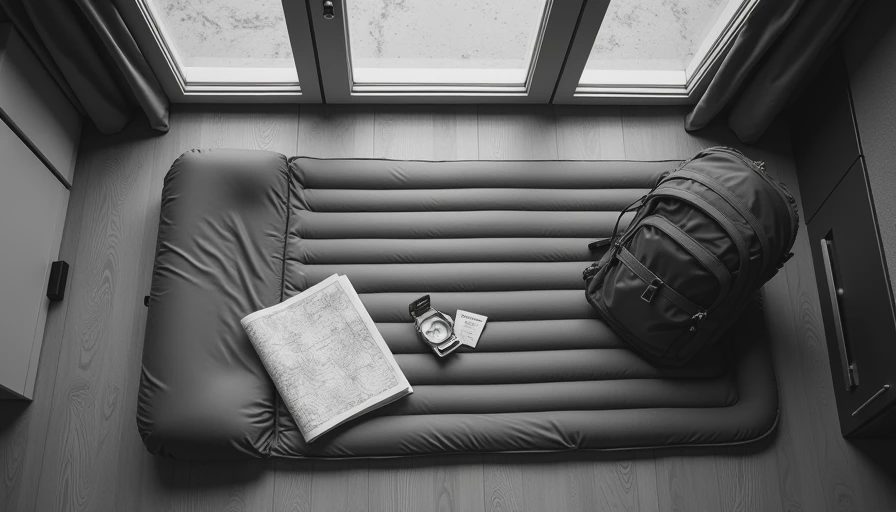
The current NXT version is about three inches thick and uses a baffled air structure rather than a simple flat air mattress. That extra height helps separate your hips and shoulders from cold ground, while the internal insulation is designed for three-season use. Therm-a-Rest lists the regular rectangular version with an R-value around 4.5, which is warm enough for many spring, summer, and fall trips. Winter campers should look at a higher-R-value option instead of treating one number as a force field.
Comfort is also better than the thin profile suggests. The pad has enough give to accommodate side sleepers, although very broad sleepers may prefer the wide version. The regular width works for me, but my elbows occasionally remind me that lightweight gear has boundaries. On paper, this looks great. In a damp Ohio morning, less so: the pad stays warm, but the tent floor and everything else still know it is November.

Inflation, deflation, and campsite patience
The thermarest neoair xlite uses a WingLock valve, and the change from older valve designs is meaningful. Air moves in efficiently, and the one-way function means you are not chasing escaping air every time you pause. A regular-size pad generally takes a few dozen breaths, depending on how firmly you inflate it and how full you want it.
For one adult, that is manageable. For a family of four, it becomes a small evening project. I prefer using a compatible pump sack when available, especially because blowing humid breath into an insulated pad can add moisture over time. A pump sack also saves breath after a long day and keeps the process more consistent.
Deflation is straightforward. Open the valve fully, roll the pad toward the valve, then unroll and repeat once if the first pass leaves a stubborn air pocket. Do not fold it into a random wad and force it into the stuff sack. That approach works eventually, but so does storing garden hoses by throwing them at the shed.
The main complaint is noise. The thermarest neoair xlite is quieter than earlier versions, but it is not silent. The reflective internal material can produce crinkles when you turn over. In a solo tent, I notice it. In a family tent, the child on the other side is usually making more noise, so this is less important.
Warmth and comfort in real use
The thermarest neoair xlite feels warm because its insulation is doing actual work beneath you, not because the pad is thick like a pool float. On cool nights around the 40s Fahrenheit, it provides a comfortable barrier when paired with a reasonable sleeping bag or quilt. On warmer nights, the surface can feel slightly slick and less breathable than fabric-covered foam, but opening the tent and loosening your sleep system usually solves that problem.
Air pressure changes comfort. Too firm, and your hips can feel like they are perched on a balloon. Too soft, and you lose some support and may touch the ground when shifting. My repeatable starting point is to inflate it fully, then release a small amount before settling in. That produces better shoulder comfort than simply filling it until the pad looks maximally inflated.
The horizontal baffles create a different feel from a traditional self-inflating mattress. Some sleepers love the stable, slightly floating sensation. Others dislike the movement and prefer the flatter, more predictable surface of foam. If a partner is restless, the thermarest neoair xlite usually does not transmit every movement like a waterbed, but it is not completely isolated either.
Size, durability, and family use
The thermarest neoair xlite is best for a careful user who values weight and packed volume. The fabric is light, not fragile in normal use, but it does not excuse careless campsite behavior. Clear sharp stones, pinecones, and sticks before setting it down. Keep dog claws, tent stakes, and enthusiastic children from treating the inflated pad as a trampoline.
I carry a small repair kit and inspect the valve after each trip. A slow leak is easier to find at home than at midnight beside a river. For car camping, I sometimes choose a heavier pad with a wider surface because carrying an extra pound from the Subaru to the tent is not a serious hardship. For backpacking or a long walk from a trailhead, the weight savings become more persuasive.
The regular model is suitable for many average-sized adults, while the wide model makes more sense for larger shoulders or anyone who frequently rolls off narrow pads. Check the actual dimensions before buying because product names such as regular, large, and wide are not standardized across brands.
Price and alternatives worth considering
The thermarest neoair xlite commonly sits in the premium sleeping-pad category, often around $180 to $230 depending on size, version, and sale timing. That is real money for a rectangle filled with air. The price makes more sense if you camp several times each year, carry your gear any distance, or need reliable three-season insulation in a compact package.
The Big Agnes Rapide SL is a useful comparison for campers who prioritize plush comfort and a wider sleeping surface, though it is generally heavier and bulkier. The Sea to Summit Ether Light XT also leans toward cushion and width rather than minimum packed size. Nemo's Tensor line is another strong competitor, particularly for sleepers who want a quieter feel. These are not identical pads, so comparing only price misses the point.
A budget pad can cost $50 to $100 and still work perfectly for occasional summer car camping. The tradeoff is usually extra weight, a larger packed size, less insulation, or a rougher valve and surface design. Spending more is not automatically smarter. It is smarter when the feature you are paying for solves a problem you actually have.
Who should buy it?
The thermarest neoair xlite is a strong choice for a backpacker, a weekend camper with limited pack space, or a parent who wants personal gear that does not consume half the family vehicle. It is especially appealing when a warm, compact pad matters more than a luxurious mattress feel.
I would steer a dedicated car camper toward a wider or thicker model unless storage space is unusually tight. I would also hesitate if you are a very restless sleeper, dislike crinkly fabrics, or routinely share a pad with a child. The light construction rewards reasonable care, not casual abuse.
Before ordering, measure your sleeping bag, check your preferred width, and decide whether you will inflate by mouth or with a pump sack. Then compare the current price with alternatives from Big Agnes, Sea to Summit, and Nemo. A sale can change the decision by $40 or more, which is enough to buy dinner after the trip.
Overall, the thermarest neoair xlite earns its reputation by combining warmth, low weight, and small packed size better than most competitors. It is not the quietest or most luxurious pad, and it is not the obvious pick for every family tent. For campers who want efficient gear without carrying a mattress-sized package, it remains an unusually sensible option. I weighed it so you do not have to; your job is mainly to avoid putting it on a pinecone.




Letters
No letters yet — be the first to write.