I don’t need another “best stove of 2026” list. I need to know which of these three common canister stoves actually boils 500 ml of water fastest when the conditions are the same.
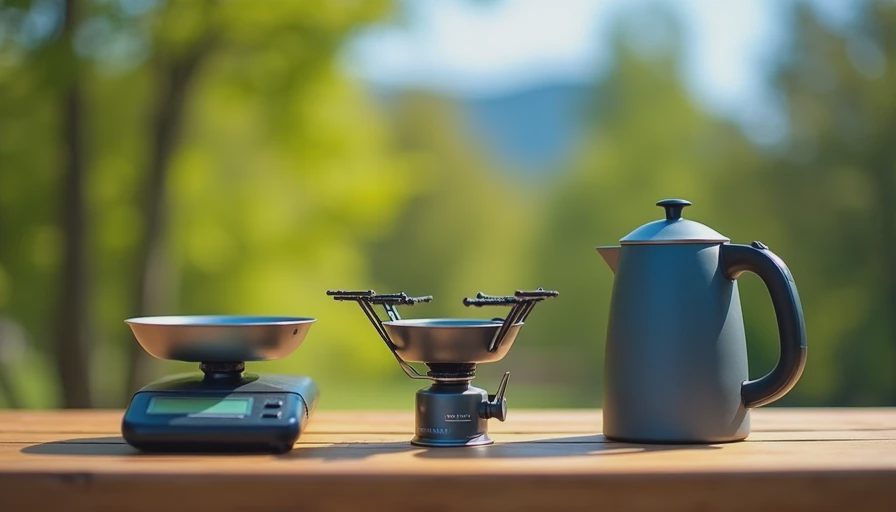
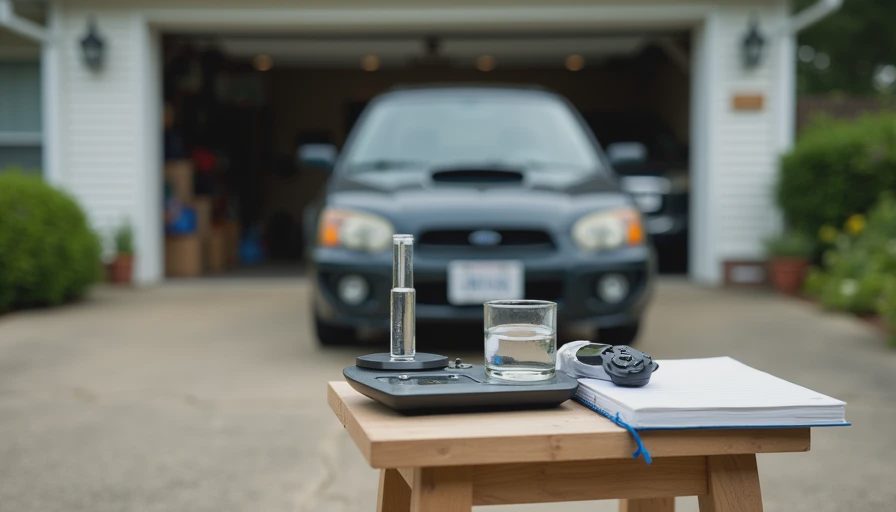
So I set up a simple backyard test. Same pot. Same water volume. Same starting temperature. Same wind exposure. Three stoves. Multiple runs. A kitchen scale, a thermometer, a stopwatch, and a notebook.
The Contenders
I tested three popular canister stoves that weekend campers actually buy:
MSR PocketRocket 2 – the classic screw-on, minimalist option
Soto Windmaster – the one with the concave burner and flexible pot supports that claims better wind performance
Jetboil Flash (with the 1L FluxRing pot) – the integrated system that promises speed
All three ran on the same 8-oz isobutane-propane canisters from the same batch. Outside temperature sat between 58–62°F. Light breeze, about 5–8 mph, coming consistently from the same direction across the driveway. I shielded nothing. This was not a calm indoor lab test. It was the kind of wind you get on a real campsite in Ohio.
The Protocol
500 ml of water measured by weight (500 g)
Starting water temperature: 58°F ± 1°F
Pot: the same 1.5 L titanium pot for the PocketRocket and Windmaster; the Jetboil’s own FluxRing cup for the integrated system
Lid on for all runs
Timer starts the moment the stove is lit and the pot is placed
Timer stops at a rolling boil (confirmed visually and by thermometer reaching 212°F)
Three runs per stove, averaged
Canister weight recorded before and after each series to track fuel use
I ran the tests in rotating order so no stove got preferential wind or residual heat advantage.
The Numbers
Stove | Avg. Time to Boil 500 ml | Fuel Used (g) | Notes |
|---|---|---|---|
MSR PocketRocket 2 | 3:42 | 8.1 | Steady but slowed noticeably when the breeze hit the flame directly |
Soto Windmaster | 3:08 | 7.4 | Noticeably more stable flame in the same wind |
Jetboil Flash | 2:21 | 6.9 | Fastest by a clear margin, as expected from the heat exchanger |
What Actually Matters
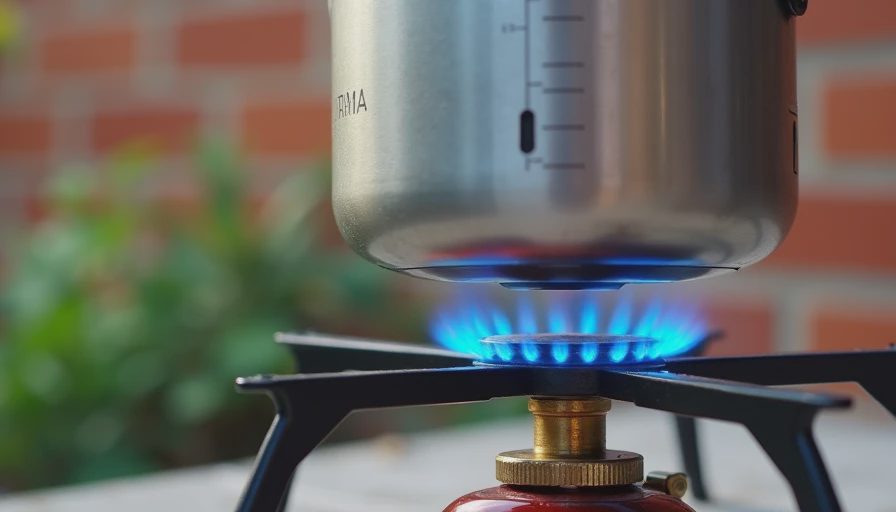
The Jetboil won the pure speed contest, no surprise. The FluxRing design puts more of the flame’s heat into the water instead of the air. If your main job is boiling water for coffee or freeze-dried meals and you don’t mind the bulk of an integrated system, it is the quickest of the three.
The Soto Windmaster closed a lot of the gap on the PocketRocket once real wind entered the picture. The concave burner and the way the pot sits lower over the flame made a visible difference. In dead calm the two screw-on stoves are closer; in a light steady breeze the Windmaster pulls ahead.
The PocketRocket 2 is still perfectly usable. It is the lightest and most packable of the three. It just loses more efficiency when the wind finds the open flame. If you mostly camp in sheltered spots or you’re willing to build a small wind break, the time difference shrinks.
Trade-offs I Actually Care About
Weight & packed size: PocketRocket wins easily. Windmaster is close. Jetboil is in another category once you add the cup and the bulk.
Simmer control: The Windmaster felt the most precise for actual cooking, not just boiling. The PocketRocket is acceptable. The Jetboil is mainly a boiler.
Family use: On a short overnight with kids, the Jetboil’s speed is nice when everyone is hungry at the same time. The two screw-ons are quieter and less of a “system” to manage.
Cost per boil: Differences in fuel use were small across 500 ml. Over a season they add up, but not enough to decide the purchase by themselves.
Bottom Line for Weekend Campers
If pure boil speed is your top priority and you don’t mind the size, the Jetboil Flash still earns its reputation.
If you want a screw-on stove that holds up better in real wind without adding much weight, the Soto Windmaster is the stronger performer in this test.
If you want the lightest, simplest, and cheapest option and you’re willing to manage wind a bit, the PocketRocket 2 remains a solid default.
I weighed the canisters, timed the boils, and ran the same protocol three times each so the numbers aren’t one lucky run. Your conditions will vary. Mine were a consistent Ohio driveway with a light breeze—exactly the kind of ordinary weekend setting most of us actually camp in.
Next up I’ll look at how these same stoves behave when the temperature drops closer to freezing. For now, these are the measured results.



Letters
No letters yet — be the first to write.