
Sleeping pad packaging is full of numbers that sound precise and scientific. R-value. Thickness. Weight. Packed size. “3-season.” “4-season.” Most of us nod, buy the one that looks warm enough, and hope we don’t wake up cold on a damp Ohio night.
You do not need a degree in heat transfer to make a good decision. You need a plain-English translation of what those numbers actually mean for a weekend camper who sleeps on the ground ten to fifteen nights a year, often with kids nearby and a weather app that is only mostly right.
The Specs That Matter (and the Ones That Mostly Don’t)
R-value
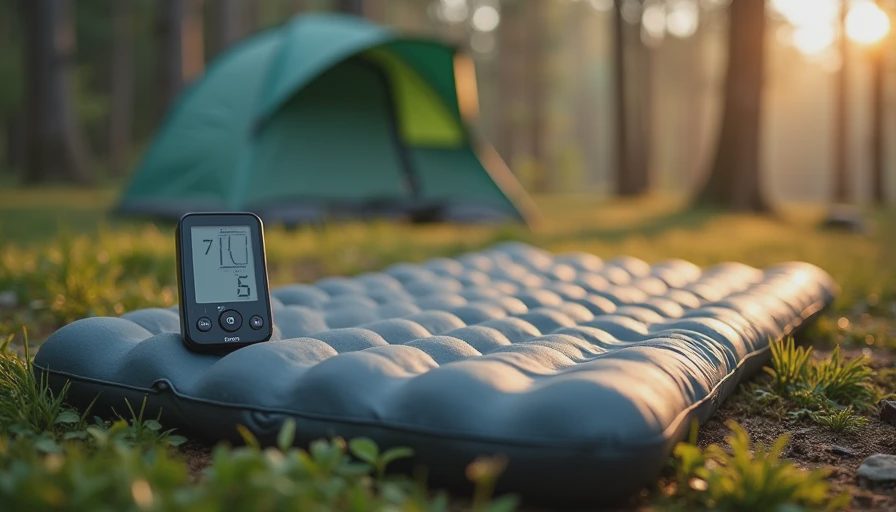
This is the one that gets the most attention. It measures how well the pad resists heat flowing from your body into the cold ground. Higher number = more insulation.
R-value under 2: fine for warm summer nights or if you run hot. Risky once the ground temperature drops.
R-value 2–3.5: solid for most spring and fall camping in the Midwest when overnight lows stay above freezing.
R-value 4–5+: what you want if you regularly camp when the forecast shows 30s or you sleep cold.
R-value 6+: overkill for most family weekend trips unless you’re doing shoulder-season or winter car camping.
Important reality check: R-value is tested in a lab under controlled conditions. Real ground is uneven, sometimes wet, and you move around. A pad rated R-4 will still feel colder if you’re on packed dirt after a rain than the number suggests. Treat it as a useful ranking tool, not a guarantee.
Thickness
Thicker is not automatically warmer. A 4-inch air pad with a low R-value can still let heat escape. Thickness mainly affects comfort and how well the pad bridges roots and rocks. For most adults, 2.5–3.5 inches is the practical sweet spot. Kids often do fine with less.
Weight
This is where weekend campers and ultralight backpackers diverge. If you’re carrying the pad 8 miles into the backcountry, every ounce counts. If you’re walking 200 yards from the car to the tent site with two kids and a cooler, a 6-ounce difference is noise. Look at weight, but don’t let it override insulation and comfort unless you’re actually backpacking.
Packed size
More useful than weight for car campers and family trips. A pad that stuffs into a small sack leaves room for the extra layers, snacks, and the random gear kids insist on bringing. Inflatable pads generally pack smaller than closed-cell foam. Hybrid and self-inflating pads sit in the middle.
Shape and width
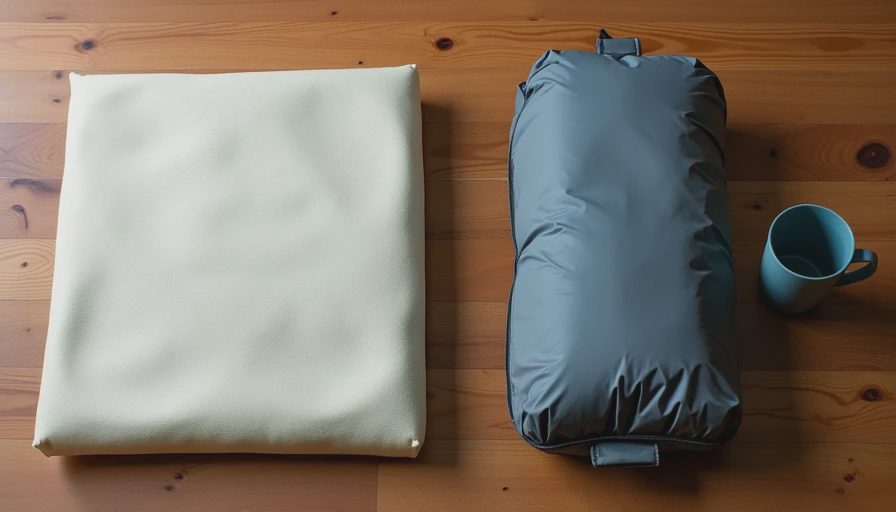
Mummy vs. rectangular. Narrow vs. wide. If you sleep on your side or move a lot, a wider rectangular pad is usually more comfortable even if it costs a few extra ounces. For kids, a shorter pad saves both weight and space.
How I Actually Decide
When I’m looking at a pad for our family trips, I ask four questions in order:
Will the R-value keep me (and the kids) from waking up cold on a typical Ohio spring or fall night?
Is it comfortable enough that I’ll actually sleep?
Does the packed size fit reasonably in the car or the pack without forcing trade-offs elsewhere?
Is the price justified by the first three answers?
Everything else is secondary.
Common Traps
Buying a high-R-value pad you only use in July. You’re paying for insulation you don’t need and often carrying extra bulk.
Assuming “3-season” means the same thing across brands. It doesn’t. Check the actual R-value.
Ignoring the ground conditions. A good pad on wet, cold ground still loses more heat than the same pad on dry duff.
Chasing the lightest option when you’re mostly car camping. Comfort and durability usually matter more for family use.
A Simple Rule of Thumb for Midwest Weekend Campers
Summer only, warm sleeper: R-2 to R-3 is plenty.
Spring through fall, typical conditions: aim for R-3.5 to R-4.5.
Regular cold nights or you sleep cold: R-5 and up.
Kids: one solid R-3 to R-4 pad is usually enough; they generate heat and move around less predictably.
You do not need to love thermodynamics. You need a pad that matches the temperatures you actually camp in, the way you actually sleep, and the amount of hassle you’re willing to accept.
I keep a small notebook of the pads we’ve used, the overnight lows, and whether anyone woke up cold. The numbers on the package are a starting point. The notes from real nights are the part that matters.



Letters
No letters yet — be the first to write.