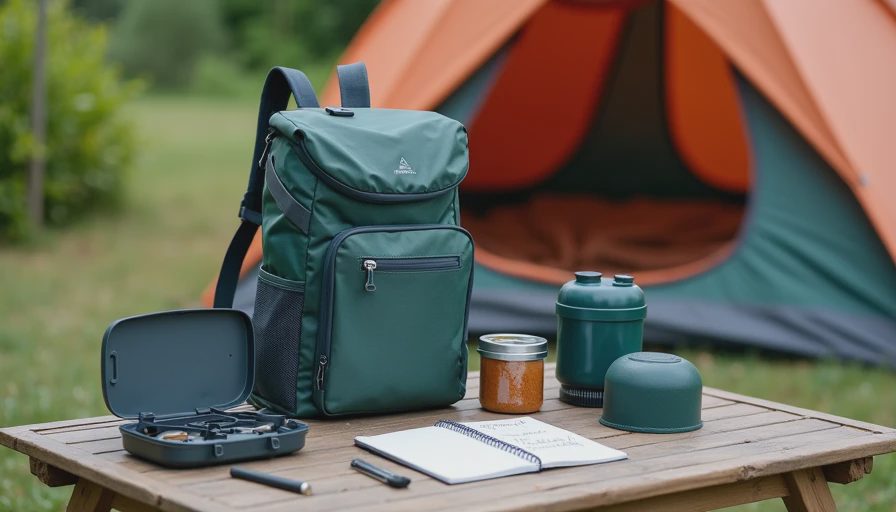
I weighed it so you don't have to.
Here's a confession: my first few family camping trips looked like we were moving out of the house. Cooler. Three duffel bags. Two tents (one as backup). Enough food for a week. A bin of "just in case" gear that we never touched. I'd spend an hour packing, another hour unpacking at camp, and by the time we were settled, I was already exhausted.
The breakthrough came when I realized something: we were only going for one night. We didn't need the whole garage. We needed a system.
After a couple seasons of trial and error—and a spreadsheet or two—I've dialed in a packing approach for one-nighters that fits in the car, doesn't wreck my back, and doesn't leave me standing in the driveway wondering if I forgot something important.
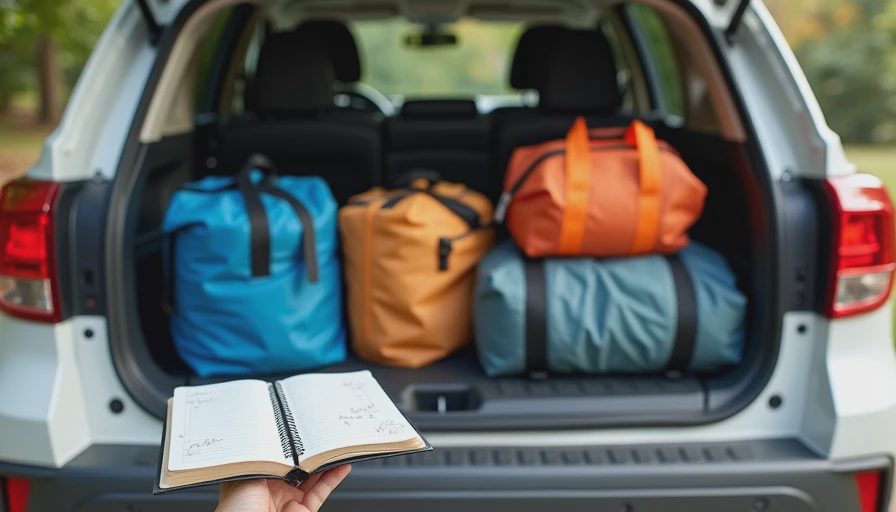
The Golden Rule: Separate "Car Gear" from "Pack Gear"
This is the single biggest mental shift that changed how I pack.
Pack gear: What you carry from the car to the campsite. This includes tent, sleeping bags, pads, stove, food, water, clothes. If it goes on your back, it's pack gear.
Car gear: What stays in the car until you need it. Extra jackets, backup snacks, camp chairs, the big lantern, the inflatable mattress pump, second stove. Nice to have. Not essential for the first 15 minutes of setup.
Once you separate these, packing gets simpler. The car gear goes in a single bin or duffel that stays in the trunk. The pack gear goes in your main bag. You don't carry the car gear to the site unless you want to—and if you're car camping, you can just grab it as needed.
For a one-nighter, the car gear is backup, not primary. Pack gear is what you actually need.
The One-Night Packing List (Minimalist Version)
Here's what I pack for a one-night trip with two adults and two kids (ages 7 and 9). This is the "we have a short walk to the site" version, not the "we're carrying everything a mile" version—but it's still tight enough that I'm not bringing extras I don't need.
Sleep System
Tent: One 4-person tent, with footprint and poles. If I'm not sure about the weather, I bring the rainfly.
Sleeping bags: One per person. Kids' bags are inexpensive 30°F synthetic. Adults' are 20°F down.
Sleeping pads: One per person. Mine has R-value 4.5. The kids have budget foam pads (R-value ~2.0) that are fine for summer.
Pillows: Inflatable pillows for adults. Kids bring small compressible pillows from home—they sleep better and the weight doesn't matter.
Ground cloth: A tarp or footprint for under the tent.
Kitchen
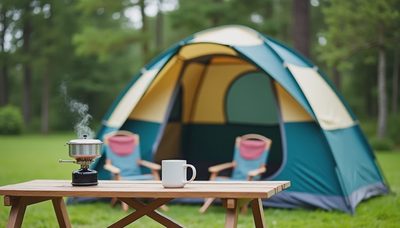
Stove: One canister stove (MSR PocketRocket-style). One fuel canister. Backup lighter/matches.
Pot: One 1.5L pot with lid. One small frying pan for eggs or pancakes.
Spice kit: Small ziplock with salt, pepper, garlic powder, and a couple of seasonings.
Mugs: One per person. I tested 14 popular camp mugs so you don't have to—my favorites are the lightweight insulated ones that don't burn your lips.
Utensils: One spork per person. One spatula. One set of tongs.
Eating bowls: Lightweight collapsible bowls work well.
Food: Plan for:
Dinner: One-pot meal (chili, pasta, or foil packets)
Breakfast: Oatmeal and fruit, or pancakes and sausage
Snacks: Trail mix, granola bars, fruit
Drinks: Coffee/tea for adults, hot chocolate for kids
Water: One gallon per person per day. I bring a 5-gallon jug for the whole group and top up as needed.
Clothes (One Night = One Change + Layers)
For each person:
One pair of hiking pants or shorts (depending on season)
One long-sleeve base layer
One mid-layer fleece or puffy
One rain jacket (non-negotiable in Ohio)
Two pairs of socks (one extra)
One extra underwear
Warm hat and gloves (even in spring)
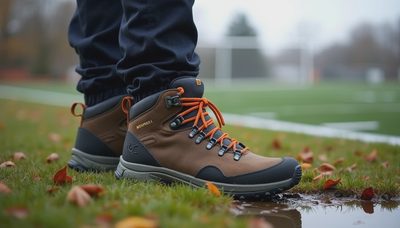
For adults only: Camp shoes or sandals for hanging around. I've tested camp shoes for wet grass—worth packing a pair.
For kids: One "extra" hoodie or jacket. They'll wear it around camp and inevitably forget it somewhere, so I bring a backup.
Camp Comfort
Camp chairs: One per adult. Kids can sit on logs or rocks, or share a smaller chair.
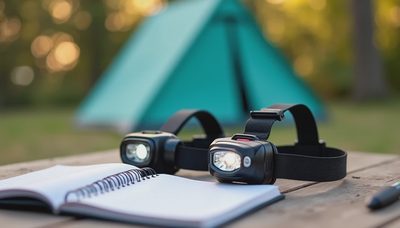
Headlamps: One per person. I wrote a whole post on the best headlamps for kids who forget they're wearing headlamps—the ones with auto shut-off are lifesavers.
Lighting: A small lantern for the table or tent. A string of LED fairy lights for ambiance (kids love this, and it makes camp feel cozy).
Trash bags: One for trash, one for recycling. Pack it in, pack it out.
First aid kit: Small kit with band-aids, antiseptic, pain relievers, blister care, kid-friendly antihistamines.
Repair kit: Duct tape wrapped around a lighter, a multitool, a couple of gear repair patches. These live in my pack permanently.
For Kids Specifically
One special item: Each kid picks one thing to bring—a stuffed animal, a book, a favorite blanket. This is the only non-essential item that gets automatic approval. Makes them feel invested in the trip.
Activity bag: Small ziplock with crayons and paper, or a deck of cards, or a travel game. Essential for rainy afternoons or evening downtime.
Snack bag: Kids will ask for snacks. Have a separate bag of "approved snacks" that you can hand over without digging through the main food bin.
The Packing System (How I Organize)
I use color-coded stuff sacks and a single main duffel. Here's the system:
Kitchen bag: Red. Contains stove, fuel, pot, mugs, utensils, spices. Everything cooking-related goes in this one bag.
Sleep bag: Blue. Contains all sleeping pads and pillows. (Sleeping bags are packed individually by person in their own compression sacks.)
Clothes bag: Green. One stuff sack per person, with full set of clothes and layers. I label each one with a permanent marker.
Kids' activity bag: Yellow. Games, books, crayons, special items. Keeps kid-specific non-essentials contained.
Main duffel: Everything goes in a single large duffel. When we arrive, I pull out what I need and leave the rest in the car.
Separate cooler: For perishable food. I keep this separate from the duffel—easier to access and less chance of leaking on the gear.
What I Leave Out (The "Don't Bring It" List)
After overpacking a few times, I've learned what doesn't need to come:
Second tent: Unless you have a specific reason, one tent is enough.
Multiple stoves: One stove is fine for a one-nighter. Two if you're cooking for a big group—but for four people, one pot is plenty.
Heavy camp shoes: The kids don't need separate camp shoes for one night. Extra socks are more useful.
Extra sleeping bags: One per person. Enough.
The "just in case" bin: I used to bring a bin of "maybe we'll need this" gear. Now I leave it in the garage.
Too many clothes: One night = one set of clothes + one extra layer. That's it. You're not doing laundry at camp.
The Setup Sequence (What Happens When You Arrive)
Here's the order that works for me:
Park, assess the site. Check for level ground, shade, proximity to water/restrooms, obvious hazards (ants, poison ivy, weird rocks).
Set up the tent first. The kids help with poles and stakes. This gives them something to do and gives me the mental satisfaction of having the main shelter ready before anything else.
Unroll sleeping gear. Sleeping pads and bags go into the tent immediately. If it rains later, at least the sleep stuff is protected.
Kitchen setup. Stove, fuel, pot, and spices go out. I keep everything on a picnic table or a flat surface near the tent.
Kids' activity bag out. Give them something to do while I finish setting up. This is the "make coffee and set up chairs" window.
Chairs out. Finally, the chairs come out. This is the sign that setup is complete. Relax.
First meal plan. I usually cook the main meal within the first hour. It gives me a chance to test the stove and serves as a natural "we're at camp, let's eat" transition.
What I've Learned
Packing faster is better than packing perfectly. A one-night trip is forgiving. If you forget something, it's one night—you'll survive. The goal is to get out the door faster and spend less time at camp organizing.
Kids don't need their own sleeping pads with high R-values. Summer trips with a foam pad are fine. They won't notice the difference, and you can upgrade them later.
The first 15 minutes of setup set the mood. If the kids are entertained and the tent goes up quickly, the whole trip feels easy. If I'm frustrated and the tent is fighting me, it's a long night. I set the tone.
Less is more. Every trip, I bring less than the previous time. And I still have everything I need. The items that don't get used on a trip get crossed off the packing list for next time.
The Bottom Line
One-night family camping doesn't need to feel like a military operation. Pack light, focus on comfort (sleep and food), keep the kids entertained, and leave the "what if" gear in the garage.
I still use a packing list taped to the inside of my gear bin. It's not about being rigid—it's about being fast. If I can pack in 20 minutes, I'm more likely to go on a whim. And those whimsical trips are the ones the kids remember.
Good spec, mediocre experience? A perfect packing list that takes an hour to assemble is a mediocre experience. A quick pack that gets you out the door and to camp is a good one.
— Tom
Letters
No letters yet — be the first to write.