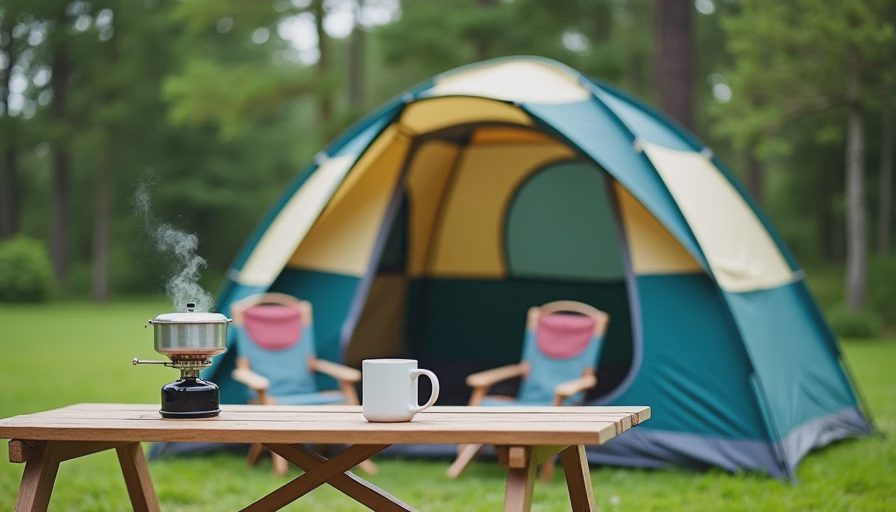
A one-night family campout with a 7-year-old and a 9-year-old is not a backpacking trip and it is not a survival exercise. It is a short, slightly chaotic experiment in keeping everyone fed, warm enough, and not miserable until morning.
I’ve done enough of these around Columbus and within a two-hour drive to know what actually decides whether the night feels successful. It is rarely the newest ultralight piece of gear. It is almost always the boring, practical stuff that keeps friction low.
The Things That Matter More Than You Think
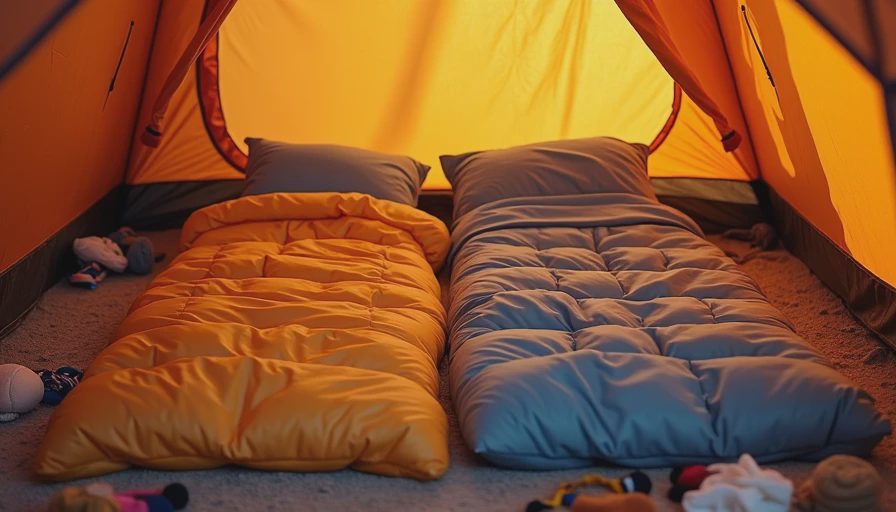
Sleep setup that works for different bodies
Kids this age still thrash, kick, and end up sideways. A single wide pad or two pads pushed together with a shared quilt or sleeping bags that can be unzipped and combined saves a lot of 2 a.m. negotiation. Temperature regulation matters more than packed weight. If one kid runs hot and the other runs cold, having layers and a pad with a decent R-value (roughly 3.5–4.5 for Ohio shoulder seasons) prevents the classic “I’m freezing / I’m sweating” loop.
A stove that is fast and simple when everyone is hungry at once
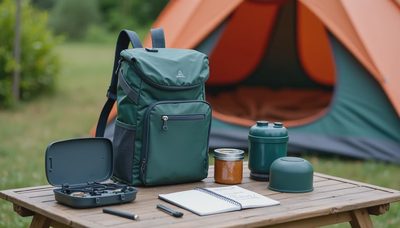
On a family overnight the goal is hot food and hot drinks without a long production. An integrated canister system or a reliable screw-on stove that boils quickly in light wind beats a fancy multi-fuel setup. Kids do not care about simmer control when they are cold and impatient. Speed and low fuss win.
Light that does not become a toy or a hazard
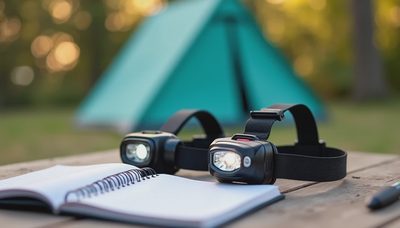
Headlamps with a low red-light mode and a lock-out switch matter. Bright white light pointed at someone’s face at 9 p.m. starts arguments. A lantern for the picnic table or tent vestibule gives a shared light source so not every kid needs their own beam. I prefer something that can sit stably and will not roll into the dirt when a nine-year-old bumps the table.
Clothing layers that tolerate dirt and damp grass
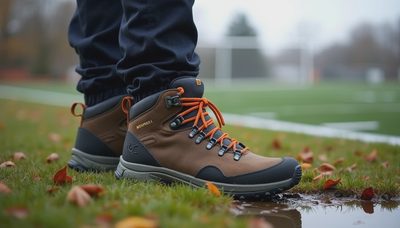
Quick-dry pants, a warm mid-layer, and a shell that actually blocks wind matter more than the brand. Kids this age sit on wet ground, lean against trees, and forget they are cold until they are properly cold. Having one extra insulating layer per person in an easy-to-reach stuff sack prevents the evening temperature drop from turning into a crisis.
A packing system that survives the car-to-campsite shuffle
We use a few clearly labeled dry bags and one small bin for the “first hour” items: headlamps, snacks, the stove, and the kids’ sleep clothes. When you pull into a site at 6:30 p.m. with fading light and two hungry children, hunting through a single giant bag is a reliable way to start the night irritated.
The Things That Matter Less Than the Internet Suggests
Ultralight everything. On a one-night car-camping or short-walk trip, saving four ounces on a tent stake set is irrelevant next to whether the tent is easy to pitch and big enough that no one feels trapped.
Perfect leave-no-trace performance on every detail. Teach the basics, pack out trash, and stay on durable surfaces. Obsessing over every micro-impact while two kids are melting down about whose turn it is to hold the flashlight helps no one.
Complicated meal plans. One-pot or foil-packet meals that can be eaten with minimal dishes keep the evening moving. Fancy camp cooking is for trips without a bedtime deadline.
A Realistic Timeline That Works for Us
Arrive and get the tent up first while there is still light.
Get the kids into warmer layers and give them a defined job (collect kindling if allowed, or set out the sleeping pads).
Start water for dinner and hot drinks immediately.
Eat while sitting, not while standing around a half-ready campsite.
Lights out earlier than you think. Tired kids overnight become very tired kids by 5:30 a.m.
What Success Actually Looks Like
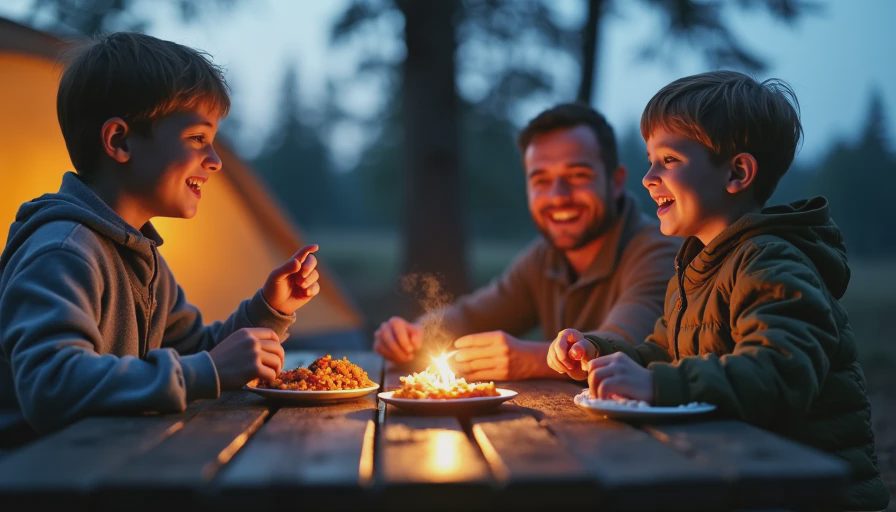
No one is miserably cold. Everyone gets some sleep. The morning is not a scramble of lost shoes and damp socks. You drive home without anyone declaring they never want to camp again.
That is a successful family overnight at this age. The gear that helps you hit those marks is the gear worth paying attention to. Everything else is secondary.
I still weigh the pieces and run the backyard tests. But when the kids are 7 and 9, the winning setup is the one that keeps the night simple enough that the data still matters the next morning.
Letters
No letters yet — be the first to write.