Learning how to choose a rain coat is mostly a matter of separating useful specifications from impressive-sounding marketing. A weekend camper does not need a jacket designed for an alpine expedition, but a cheap plastic shell can turn a short walk from the tent into a sweaty, clammy negotiation with weather. The goal is simple: stay dry outside, avoid overheating inside, and buy something comfortable enough that it actually gets packed.
Start with the weather you actually face
The best answer to how to choose a rain coat depends on where and how you use it. A jacket for summer thunderstorms at a campground has different requirements from one used for steady spring rain on a windy trail. Family campers often need a shell for tent setup, short hikes, soccer sidelines, and moving between the car and a picnic shelter. That usually favors moderate waterproofing, easy storage, and a fit that works over a fleece.
For occasional rain, a lightweight two-layer jacket can be perfectly adequate. It is usually less expensive and more comfortable for casual use. Three-layer jackets tend to be tougher, more breathable, and more expensive, making more sense for frequent hiking or rougher conditions. A basic shell might cost $40 to $90, while well-made options from Patagonia, Outdoor Research, Marmot, or Columbia often land between $100 and $250.
Do not buy for the rain you imagine surviving in a product photo. Buy for the rain that has actually ruined your Saturday.
Waterproofing is more than a big number
When comparing how to choose a rain coat options, look for a waterproof rating expressed in millimeters, but do not treat that number as the entire test. Ratings around 5,000 to 10,000 millimeters are common on entry-level shells and can handle ordinary rain when the fabric, seams, and zippers are well designed. Ratings around 15,000 to 30,000 millimeters offer more protection for sustained rain, pack straps, and kneeling on wet ground.
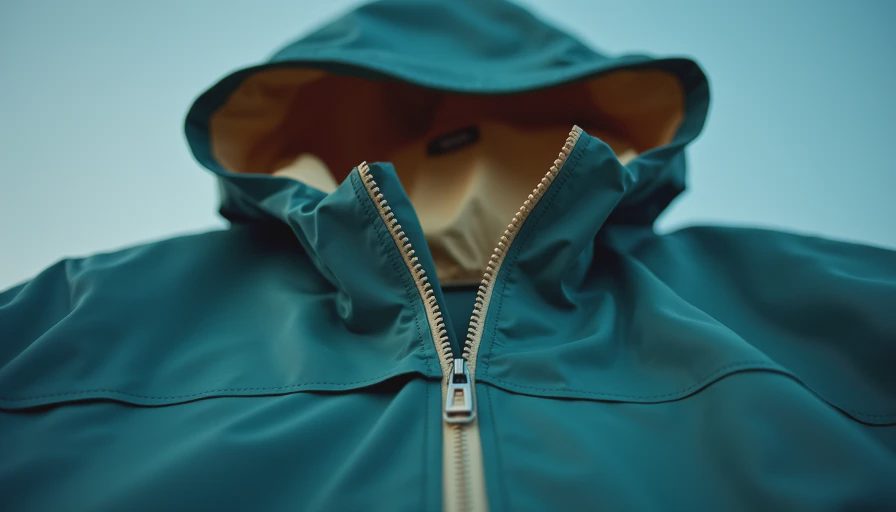
Seam sealing matters because needle holes can leak even when the fabric itself is waterproof. Check whether the product has fully taped seams or only critical seams. A storm flap over the zipper helps, especially on inexpensive jackets. Adjustable cuffs keep water from running into sleeves, while a brimmed hood prevents rain from sliding directly onto your glasses or neck.
I also look at the fabric after repeated use. A durable water repellent, or DWR, finish makes droplets bead and roll away. It does not create waterproofing by itself, but it helps the outer fabric avoid becoming saturated. Once the face fabric wets out, breathability usually suffers. Good spec, mediocre experience.

Fit decides whether the jacket gets worn
A rain coat should fit over the clothing you normally wear, not over an imaginary base layer chosen by a product photographer. Try it with a sweatshirt or light fleece. Raise both arms, reach forward, and sit down. If the hem climbs above your belt or the cuffs expose your wrists, the jacket is too short for practical camping.
The shoulders should allow movement without excess fabric flapping everywhere. A longer back helps when sitting on a damp bench or bending over a camp stove. For children, avoid buying several sizes too large. Oversized sleeves catch on doors, drag through mud, and make hood adjustments difficult. A little growing room is sensible; a wearable tent is not.
How to choose a rain coat also involves pockets. Hand pockets should remain usable with a backpack hip belt or a car seat harness. Interior pockets are useful for phones and maps, but a simple zippered chest pocket often matters more. A jacket that packs into its own pocket is convenient, although that feature can make the packed pouch awkwardly bulky.
Breathability prevents the inside drizzle
Water coming through the fabric is not the only way to get wet. Walk uphill in a nonbreathable shell and condensation can leave your shirt damp within minutes. Breathability is especially important for active adults, warm-weather camping, and anyone carrying a child’s gear in a backpack.
Pit zips are old-fashioned but effective. They let you dump heat quickly without removing the jacket. Mesh-lined pockets can work as secondary vents. A loose poncho may ventilate better than a fitted shell, but it is less convenient around branches, car doors, and cooking equipment.
When testing how to choose a rain coat candidates, I prefer a simple backyard comparison. Wear each jacket over the same shirt, walk briskly for 15 minutes, and note dampness at the back, underarms, and wrists. Repeat the test on a cool day and a warm day. This is not laboratory science, but it tells you more about comfort than a breathability number printed on a hangtag.
Weight, durability, and price need a compromise
A jacket weighing 8 to 12 ounces can disappear into a daypack, but ultralight fabrics may sacrifice abrasion resistance. That is fine for occasional trail use and less ideal when a child is climbing over picnic tables while wearing the jacket. For family camping, a 12- to 20-ounce shell often provides a better balance of durability and packability.
Look closely at the fabric denier, but do not worship it. A heavier fabric can resist scuffs, while a lighter fabric can still perform well if construction is thoughtful. Check zipper quality, hood adjustment, cuff closures, and whether the hem drawcord stays secure. These small details are where a jacket reveals whether it was designed for repeated use or merely for a shelf comparison.
How to choose a rain coat on a $60 budget usually means prioritizing a reliable zipper, taped seams, and a useful hood over premium fabric technology. At $150 or more, expect better ventilation, lower weight, stronger materials, and more refined fit. The expensive option is not automatically better for a family that drives to the campsite and walks three miles.
A practical buying checklist
Before purchasing, decide whether the jacket is for emergency storage, daily commuting, or regular outdoor use. Emergency shells can be simple and light. Daily jackets deserve better pockets, stronger fabric, and a fit that looks reasonable away from the trail. Regular hiking use justifies spending more on ventilation and construction.
Next, check the return policy and inspect the jacket at home. Put it over your normal layers, adjust the hood, sit in a chair, and reach for a steering wheel. Look for exposed stitching, stiff zipper movement, and pockets blocked by a backpack belt. If the hood only works when tightened so far that it restricts vision, it is not a good hood.
How to choose a rain coat gets easier when you compare two or three jackets side by side instead of browsing twenty tabs. Write down price, weight, pocket layout, fabric feel, and the conditions each jacket suits. A spreadsheet is excessive for some decisions. This is not one of them; I weighed it so you do not have to.
What I would buy for a family weekend
For most families, I would choose a midweight shell with fully taped seams, adjustable cuffs, a three-panel hood, and enough room for a fleece. A price around $90 to $160 is a reasonable target. Columbia and REI Co-op often offer practical value, while Outdoor Research, Marmot, and Patagonia tend to provide stronger materials or more refined designs at higher prices. Brand names are useful starting points, not substitutes for checking construction.
If your main use is keeping dry while unloading the Subaru, walking to the bathhouse, or watching a rainy soccer game, you do not need a $300 technical shell. If you hike in steady rain for hours, carry a pack, or live where wet weather is routine, paying for better ventilation and durability can prevent replacing a bargain jacket every season.
The short version of how to choose a rain coat is to match waterproofing, ventilation, fit, and durability to your actual weekends. Spend first on the features you will feel: a hood that stays put, sleeves that move, seams that do not leak, and fabric that does not turn into a personal sauna. The forecast does not care about your gear spreadsheet, but your family will appreciate a jacket that works.

Letters
No letters yet — be the first to write.