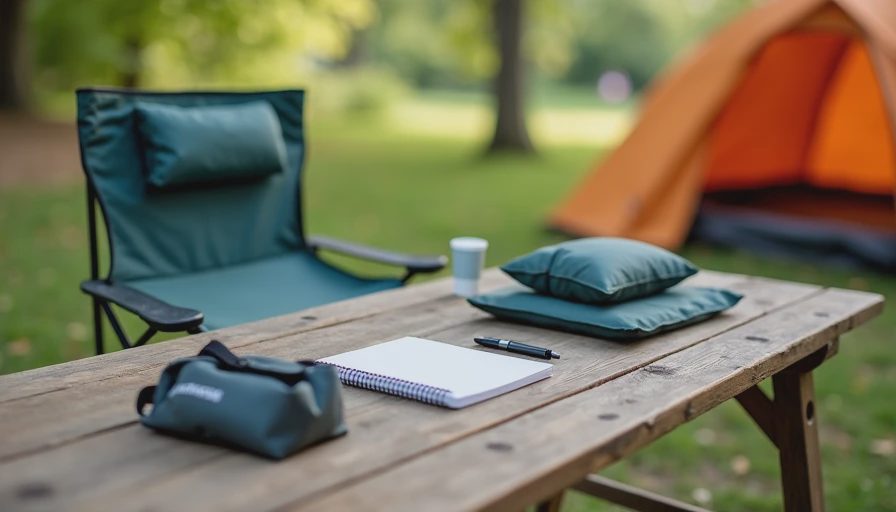
I weighed it so you don't have to.
Here's a confession: I spent way too much time in my first few years of family camping obsessing over the tent. Should I buy the lighter one? The bigger one? The one with the fancy vestibule that costs as much as a weekend at a cabin?
And then I realized something: the tent I already had was fine. The problem wasn't the tent. The problem was everything else.
If you're like me—a weekend camper with kids, a budget, and limited storage space—you don't need a new tent. You need to fix the things that are actually making your trips harder. I've tested these five upgrades over the past couple seasons, and each one has done more for my camping experience than any tent upgrade ever could.
Upgrade 1: A Real Sleeping Pad (R-Value 3–5)
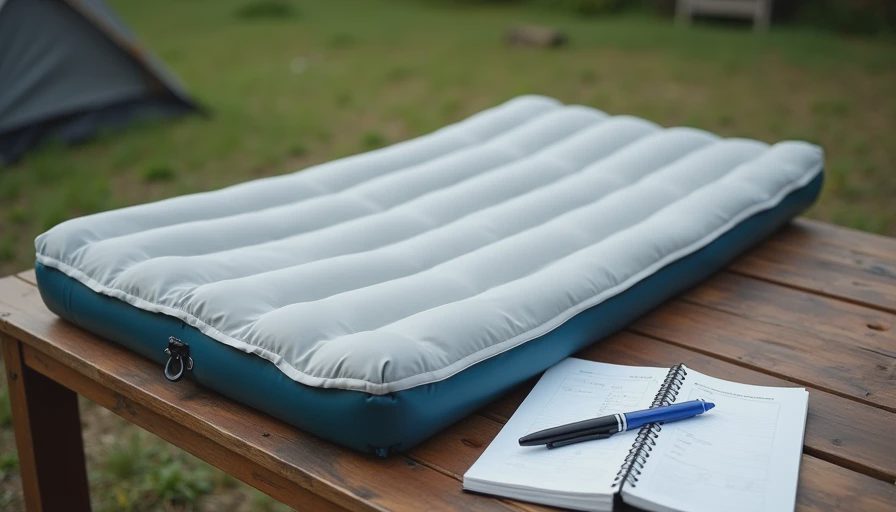
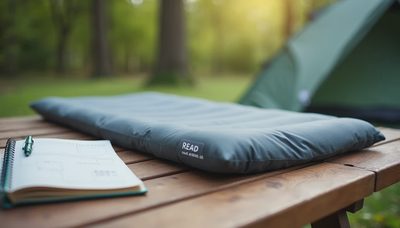
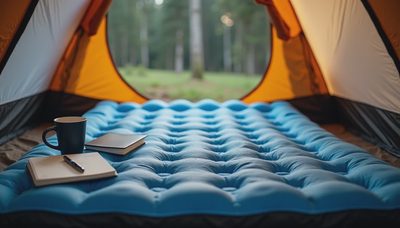
This is the single biggest quality-of-life upgrade I've made. The difference between a budget pad and a decent insulated one is the difference between waking up rested and waking up feeling like you slept on a frozen parking lot.
The problem: Most budget sleeping pads have terrible R-values (under 2.0) or inflate with foam that doesn't actually insulate. You feel the ground cold seeping through all night. And with kids, that ground cold turns into a 6 AM wake-up call because someone's "too cold to sleep."
The upgrade: A pad with an R-value of 3–5. It doesn't need to be the $200 ultralight version—there are solid options from brands like Klymit, Exped, and Therm-a-Rest that run $80–120 and make a huge difference.
What changed: I sleep through the night. My kids sleep through the night. The morning is not a disaster. That's worth every dollar.
Upgrade 2: A Pillow That Actually Supports Your Head
I used to think camp pillows were a luxury. I'd roll up a puffy jacket or use a stuff sack full of clothes and call it good. And then I spent a night actually testing 6 camp pillows for packed size and neck regret, and I realized: a real pillow is not optional.
The problem: A stuff sack or jacket moves around, flattens out, and doesn't give you consistent support. You wake up with a sore neck and a grumpy attitude.
The upgrade: An inflatable pillow with a bit of structure. It weighs 2–4 ounces, packs smaller than a soda can, and costs $20–40. The Therm-a-Rest Compressible or the Sea to Summit Aeros are both excellent.
What changed: I wake up with a neck that doesn't feel like I've been wrestling a bear. That means I actually enjoy the morning coffee instead of trying to stretch out a crick in my neck before the kids wake up.
Upgrade 3: Better Stove Efficiency (or Warm Canister Trick)
I tested three canister stoves with the same pot and same wind last year. The fastest and slowest had a difference of about 2 minutes on a 500ml boil. That might not sound like much, but when you're cooking for four people and the kids are hungry, 2 minutes per meal adds up.
The problem: A slow stove means hangry kids. Hangry kids mean a bad trip. And the colder it gets, the worse your stove performs—until you start doing something about it.
The upgrade: You don't need a new stove. Here's what actually works:
Warm the canister before use. Keep it in your sleeping bag or jacket pocket for 15 minutes. This alone knocked almost 90 seconds off my boil time in my cold-weather tests.
Use a windscreen. Even a cheap foldable one reduces boil time by preventing heat loss. Just don't fully enclose a canister stove—that's a safety issue.
Consider a heat exchanger pot. If you're using a standard stove, a pot with heat fins (like the ones from MSR or GSI) boils water faster and uses less fuel.
What changed: I'm not standing around waiting for water to boil while two kids ask "is it ready yet" at increasing volume. The stove works faster, the meals happen sooner, and the hangry meltdowns are rarer.
Upgrade 4: A Better Camp Chair (for Adults)
I mentioned this earlier in the family campers vs. ultralighters post, but it bears repeating: a real camp chair is not a luxury for a parent.
The problem: Sitting on a log or the ground at age 25 is fine. Sitting on a log or the ground at age 40 is a different story. You get stiff. You can't get up gracefully. And you're spending the entire trip trying to find a comfortable spot to sit while wrangling kids.
The upgrade: A lightweight camp chair that:
Packs small enough to fit in your gear bin
Has a seat height that actually lets you stand up easily
Has a cup holder (no, seriously—it's a game-changer)
I've tested chairs specifically for wet grass mornings, and the ones with a bit of extra height and stability are the ones I actually use. The Helinox Chair One or its budget equivalents are around 2 pounds and pack to the size of a water bottle.
What changed: I can sit comfortably in camp. I can get up without groaning. I can have a cup of coffee while watching the kids play without my back hating me for the rest of the day. It's one of those upgrades that seems trivial until you do it, and then you can't imagine going back.
Upgrade 5: Smarter Packing System
This one costs nothing. It's about organization, not gear. But it's made as big a difference as any purchase.
The problem: My first few trips, I'd get to camp and spend 20 minutes digging through bags trying to find the stove, the fuel, the matches, the pot, the food—everything was a mess. The kids are running around. The dog is barking. I'm muttering about my own packing incompetence.
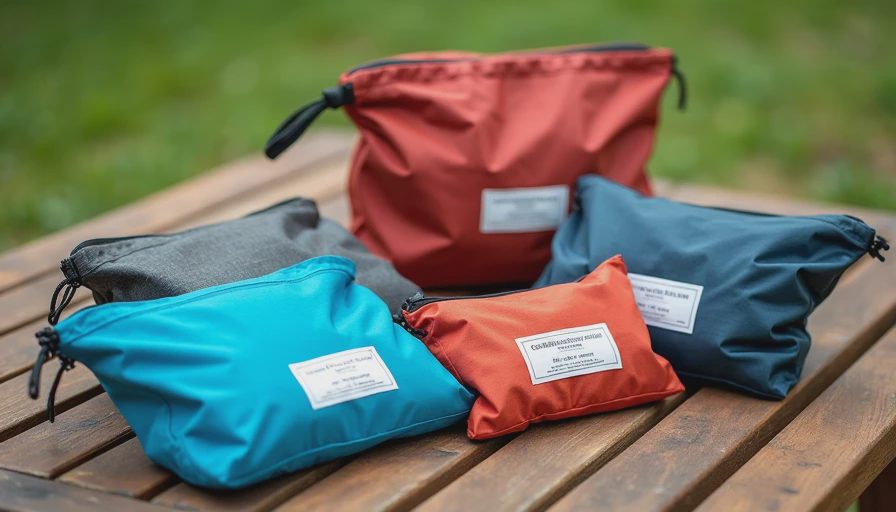
The upgrade: A color-coded packing system with labeled bags. I use:
Kitchen bag: All cooking stuff—stove, fuel, pot, utensils, spices, coffee setup. Everything in one place.
Sleep bag: Sleeping pads, sleeping bags, pillows. One bag per person or one master bag with all of them.
Clothes bag: Each person gets their own stuff sack with labeled contents. Makes getting dressed in the morning a known quantity instead of a treasure hunt.
Emergency/safety bag: First aid, repair kit, headlamps, backup batteries, duct tape, extra fire starters.
I also use clear labeling and a "packing list" taped to the inside of my gear bin, so I know exactly what's in there and what's still in the car.
What changed: Camp setup takes 15 minutes instead of 45. I know exactly where everything is. If a kid needs their sleeping bag, I grab the sleep bag and hand it over. It's that simple. My oldest is starting to "manage" his own camp area at 9, so I've already started color-coding his stuff.
The Math
Let's say you're debating a new tent at $350–500 that saves you maybe 2 pounds and adds a vestibule. The five upgrades above cost:
Sleeping pad: $80–120
Pillow: $20–40
Stove efficiency (or just applying the warm canister trick): $0–30
Camp chair: $40–80
Packing system (bags and labels): $20–40
Total: $160–310. Or less if you just upgrade a couple things. That's less than the new tent. And the cumulative improvement to your camping experience is bigger than the tent upgrade would have been—by a lot.
The Bottom Line
The tent you have is probably fine. Really. The problem is almost never the tent. It's the sleeping pad that's too cold. The pillow that's not supportive. The stove that's too slow. The lack of a comfortable place to sit. The chaos of unpacking.
Fix those things first. Your camping experience will improve more than any tent upgrade could deliver.
And then, maybe, if you still want that new tent? You'll actually know what you want from it, because you'll have fixed everything else.
Good spec, mediocre experience? The tent upgrade looks great on paper. The five small upgrades actually change how your trip feels.
— Tom

Letters
No letters yet — be the first to write.