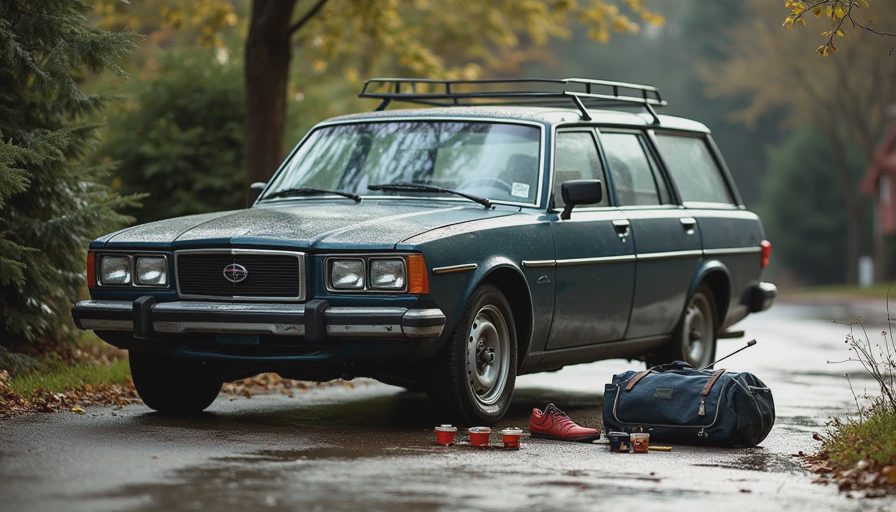
I weighed it so you don't have to.
My 2005 Subaru Outback has 187,000 miles on it. The head gaskets have been replaced twice. The rear hatch doesn't always latch on the first try. The dashboard has more warning lights than a NASA control panel, though only about half of them mean anything at this point.
I've spent more weekends under that car than I'd like to admit. And somewhere between replacing a CV axle in a damp driveway and diagnosing an EVAP leak that turned out to be a $5 hose, I realized: fixing a tired Subaru and buying camping gear are basically the same skill set.
Both are about knowing what actually matters, what you can ignore, and when to just throw money at the problem because your time is worth more than the diagnostic headache.
Lesson 1: The Specs Don't Tell You How It Feels
The 2005 Outback has 168 horsepower. On paper, that's... fine. In reality, merging onto a highway with a fully loaded car and the A/C running requires planning, patience, and a prayer. The spec sheet doesn't capture the experience.
Gear specs do the same thing. A sleeping pad with an R-value of 4.5 and a claimed weight of 12 ounces sounds perfect. But on an actual cold Ohio night, with a 7-year-old who's somehow stolen half your pad real estate, that spec doesn't tell you about:
The crinkle sound that keeps you awake
The way the baffles shift when you move
The valve placement that digs into your hip
I test everything I buy now, usually in the backyard before it ever sees a trail. Because the spec sheet is a promise; the driveway test is the truth.
What I use now: I keep a logbook of actual gear performance, not claimed specs. It's the same reason I track my Subaru's actual MPG instead of trusting the dashboard estimate. Reality beats paper every time.
Lesson 2: The Cheap Fix Is Sometimes the Right Fix
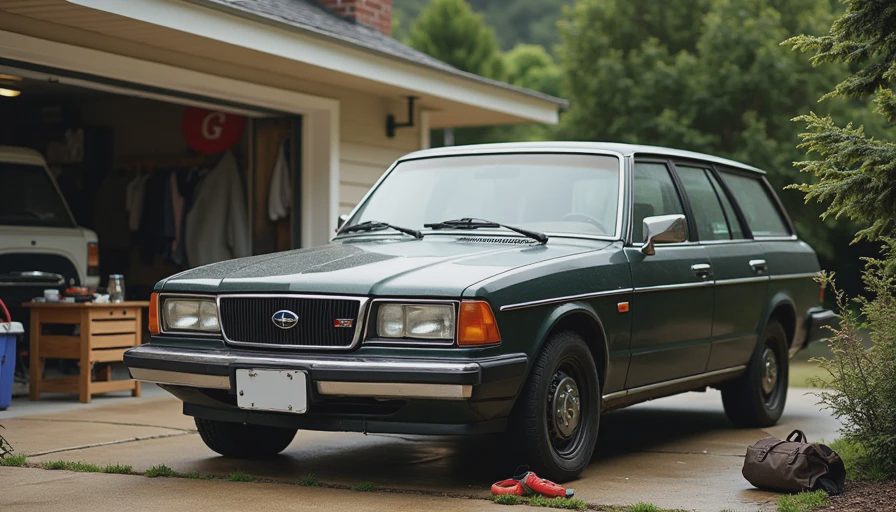
My Subaru has a slow oil leak from the valve cover gaskets. The correct fix is about $800 in labor at a shop. The temporary fix is checking the oil every time I get gas and adding a quart every 1,500 miles. I've been doing the temporary fix for 40,000 miles now.
Gear is the same way. When I tested budget quilts against premium sleeping bags, I found that a $180 quilt does 80% of what a $400 sleeping bag does for most weekend campers. The cheap option isn't always the wrong option. It's just the option that fits your use case.
When to spend:
Safety-related gear (well-maintained brakes, reliable headlamps, functioning stove)
Items you use every single trip
Things that affect sleep quality
When to save:
Items you use occasionally
Kids' gear they'll outgrow
Fancy features you won't actually use
What I use now: I have a "good enough" tier for every gear category. For camp chairs, that's a $40 Chair One alternative that packs small enough and weighs under 2 pounds. For stoves, it's a reliable $40 canister option. The upgrade to premium is only worth it if the cheaper version actively frustrates me.
Lesson 3: Known Issues Are Manageable; Unknown Issues Are Not
Every Subaru owner knows about the head gasket thing. It's not a surprise. You budget for it, you plan for it, you get it done when it's time. The problem isn't the known weakness—it's the unexpected electrical gremlin that leaves you stranded.
Gear works the same way. I know exactly what my stove does in cold weather (slows down). I know exactly what my tent weighs. I know which sleeping pad makes noise. The problems I've planned for are manageable. The problems I haven't planned for? Those are the ones that ruin trips.
That's why I test everything in the backyard before taking it anywhere. I learned this the hard way with a water filter that seemed fine at the kitchen sink but failed on a weekend trip. Now, every piece of gear gets a real-world shakedown test before it's trusted.
What I use now: I have a 10-item pre-trip checklist that includes testing any new or untrusted gear. It takes 20 minutes and saves me from surprises.
Lesson 4: Preventative Maintenance Beats Emergency Repairs
My Subaru runs because I replace things before they break. Water pumps at 100,000 miles. Timing belts at the schedule. Brake pads when they get thin, not when they start grinding.
Camping gear wants the same respect. Clean the stove after every trip. Wash and dry the tent properly. Store sleeping bags uncompressed. These are boring, unsexy tasks that make gear last twice as long.
The people who complain that their $300 tent leaked after three seasons? They probably didn't seam-seal it. Or they packed it wet. Or they didn't clean the zippers. The gear isn't the problem; the maintenance is.
What I use now: A 45-minute post-trip routine that includes: dry everything completely, clean cookware, inspect for damage, repack for storage. The tent gets a quick air-dry in the garage. The sleeping bags get hung up, not stuffed. The stove gets a quick wipe. It's not glamorous, but it's the difference between gear that lasts five years and gear that lasts a decade.
Lesson 5: You Don't Need the "Best" Version of Everything
The Outback isn't the best car for towing. It's not the best for off-roading. It's not the best for fuel economy. It's just good enough at enough things that I don't need a second car.
Camping gear is the same. You don't need the ultralight stove and the premium sleeping bag and the carbon fiber tent poles and the titanium cookware. You need gear that's reliable enough for the trips you actually take.
What I use now: I ask myself a simple question before every gear purchase: "Does this solve a problem I actually have, or is it just a shinier version of something I already own?" That question has saved me from a lot of unnecessary upgrades.
Lesson 6: The Best Tool Is the One You Actually Use
I have a full socket set in my garage. I also have a cheap multi-tool that lives in the Subaru. The socket set is better for a lot of jobs. The multi-tool is better for the jobs that happen by the side of the road at dusk.
Gear is the same. A premium stove that you leave at home because it's heavy is worse than a budget stove that you actually pack. A $400 sleeping bag that's "too nice" for a family trip is worse than a $150 bag you're willing to drag through dirt and kid snacks.
What I use now: I have a separate "trip bag" with gear that I don't mind getting beat up. The premium stuff stays home for the rare solo trip. The workhorse gear goes everywhere.

The Bottom Line
Fixing an old Subaru is mostly about triage: what's urgent, what's important, what's just annoying, and what you can safely ignore. Buying camping gear is the same. It's about knowing your use case, accepting tradeoffs, and being honest about what you actually need versus what the marketing tells you to want.
Good spec, mediocre experience? The numbers on the box mean less than how the thing works in your hand. That's true for cars, and it's true for camping gear.
Now if you'll excuse me, I need to check my oil.
— Tom

Letters
No letters yet — be the first to write.