A 3 season sleeping bag is usually the most useful choice for spring, summer, and fall camping across much of the United States. It handles cool nights without forcing you to carry a bulky winter bag in July. For family trips, car camping, and short backpacking weekends, a 3 season sleeping bag often lands in the practical middle: warm enough for shoulder-season mornings, manageable in a trunk, and less expensive than specialized cold-weather gear.
The catch is that “3 season” is not a temperature rating. It is a category label. One model might feel comfortable at 35 degrees Fahrenheit, while another is better saved for nights above 45 degrees. I weighed it so you don’t have to, but the number on the scale is only useful when you understand insulation, fit, and the sleeping pad underneath you.
What a 3 Season Sleeping Bag Rating Really Means
A 3 season sleeping bag is designed for conditions between summer warmth and serious winter cold. In ordinary terms, that means camping from roughly April through October in many lower-elevation areas. It does not mean the bag guarantees comfort at exactly three seasons of weather, and it certainly does not turn a thin foam pad into a heated mattress.
Look for a comfort rating and a lower-limit rating rather than relying on the product name. The comfort rating is the more useful number for people who sleep cold, children, and casual campers who do not want to spend the night negotiating with their own feet. A bag listed around 32 to 40 degrees can work well for cool Midwest and Appalachian trips. A model marked 20 degrees gives more margin, but usually adds weight, bulk, and cost.
Temperature ratings come from standardized testing, but real sleepers differ. A cold-sensitive adult may need a 20-degree bag for conditions where another camper is fine in a 35-degree model. Clothing, wind, humidity, tent ventilation, and the ground beneath you all change the experience. On paper, this looks great. In a damp Ohio morning, less so.
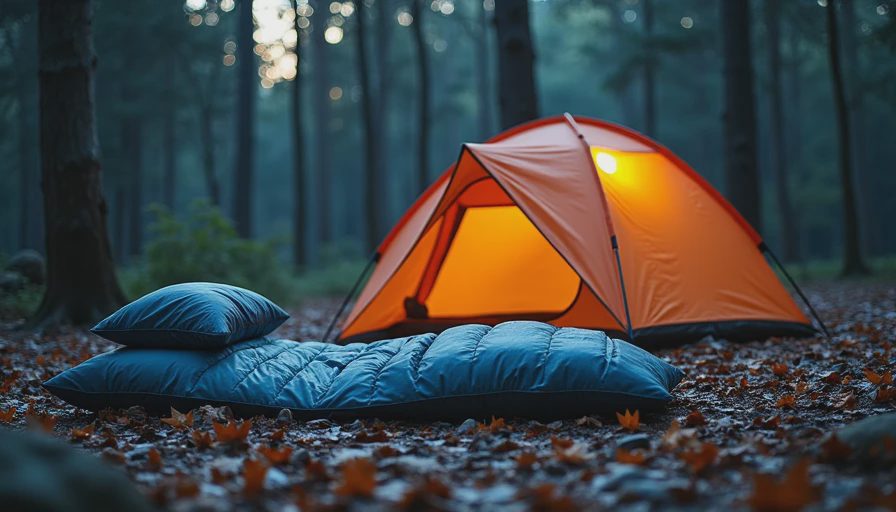
Choosing Insulation: Down, Synthetic, or a Sensible Compromise
Down insulation offers excellent warmth for its weight and compresses into a small stuff sack. A quality down bag from brands such as Nemo, Sea to Summit, or Mountain Hardwear can make a noticeable difference when pack space matters. Down also tends to last for years when stored loose and kept dry. The downside is price and moisture sensitivity. Wet down loses loft, and drying it at camp is not a five-minute chore.
Synthetic insulation is usually cheaper and more forgiving around children, condensation, and damp tent floors. Models such as the REI Co-op Trailmade and Marmot Trestles line are popular because they tolerate ordinary family-camping abuse better than delicate ultralight equipment. Synthetic bags are often heavier and larger when packed, but that matters less when the car is carrying the equipment.
For many families, a synthetic 3 season sleeping bag is the better first purchase. Spending $90 to $180 on a dependable synthetic option can be more sensible than spending $300 or more on down before knowing how often the gear will be used. If you later start carrying equipment several miles, the lighter down option becomes easier to justify.
Fit and Shape Matter More Than Marketing Photos
A mummy bag narrows toward the feet and holds heat efficiently. It is usually lighter, but some adults find the close fit restrictive. A rectangular bag feels more familiar and gives children room to move, though that extra space takes more energy to warm. Semi-rectangular designs split the difference and work well for campers who dislike feeling zipped into a fabric burrito.
Check shoulder, hip, and foot dimensions before ordering. A tall adult stuffed into a regular-length bag will lose comfort quickly, while a smaller sleeper inside an oversized bag may create extra air space that takes longer to warm. Some women’s versions add insulation around the torso and feet, but the important question is still whether the measurements fit the actual person using the bag.
For kids, prioritize easy zippers, a roomy footbox, and a hood they can adjust without adult assistance. A child who can get out of the bag independently is worth a few extra ounces. Family camping already contains enough midnight logistics without adding a zipper engineering project.
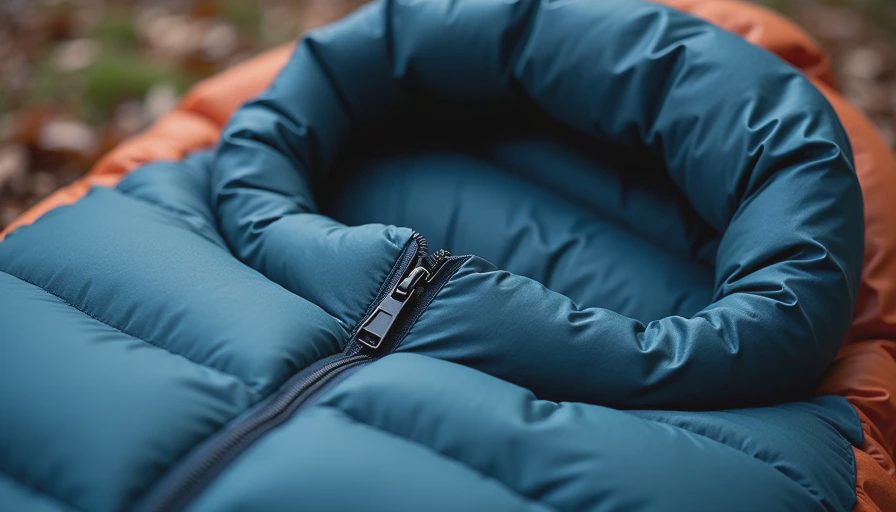
The Sleeping Pad Is Half the Warmth System
A warm 3 season sleeping bag cannot compensate for a cold, poorly insulated sleeping pad. The ground pulls heat away from your back, and a thin summer pad can make a correctly rated bag feel disappointing. Compare the pad’s insulation value, commonly shown as R-value, before blaming the bag.
For cool spring and fall nights, a pad with an R-value around 3 or higher is a reasonable starting point for many campers. Colder trips benefit from more insulation. Closed-cell foam pads are inexpensive and reliable, while insulated air pads save space and feel more comfortable. Some families put a foam pad under an air pad for extra insulation and puncture protection.
At home, test the entire system on a basement floor or backyard before a trip. Use the actual pad, bag, clothing, and pillow. If you feel cold underneath but warm on top, the pad is the likely weak point. If your torso is warm but your feet are cold, add dry socks or a small fleece layer instead of immediately buying a heavier bag.
Comparing Practical Models and Prices
A budget 3 season sleeping bag often costs about $60 to $120 and is suitable for drive-up campgrounds, scout trips, and occasional summer use. Expect more packed bulk and less refined zippers, but the value can be excellent when mileage from the car to the campsite is measured in yards.
The $120 to $250 range includes many of the best choices for regular weekend campers. You will find better draft collars, smoother zippers, more useful hoods, and insulation that holds its shape. REI, Kelty, Marmot, Coleman, and Nemo all offer models across different parts of this range, although features and ratings vary by model.
Above $250, you are often paying for lower weight, premium down, better fabrics, or smaller packed size. That can be a good trade for backpacking, but it is not automatically a better family purchase. A $350 down bag that stays home because the kids spilled cocoa on the last one is a poor value. A slightly heavier synthetic bag that gets used eight weekends a year is doing its job.
A Simple Buying Process for Your Next Trip
Start with the lowest overnight temperature you realistically expect, then choose a comfort rating with a margin of roughly 10 degrees. Decide whether the bag will travel in a vehicle or on your back. That answer usually settles the down-versus-synthetic debate faster than another hour of reviews.
Next, measure the sleeper and compare those numbers with the manufacturer’s interior dimensions. Inspect the zipper, hood, draft tube, storage sack, and cleaning instructions. A full-length zipper is helpful for ventilation on warm nights, while a draft tube reduces cold air entering along the zipper in shoulder-season weather.
Finally, consider two bags instead of one oversized model if adults and children have different needs. Some compatible bags can zip together, but only when the zipper types and sides match. Verify that detail before purchase. A 3 season sleeping bag should solve a predictable camping problem, not create a return-label problem.
For most American families, the sweet spot is a comfortable synthetic or moderately priced down bag rated around 20 to 35 degrees, paired with an insulated pad and a dry sleep layer. That setup covers ordinary spring, summer, and fall trips without turning the gear closet into a warehouse. Choose for the trips you will actually take, not the imaginary expedition hiding inside your shopping cart.


Letters
No letters yet — be the first to write.