A camping wood stove can turn a cold tent or shelter into a much more comfortable place, but it also adds weight, setup time, fuel chores, and real fire-safety responsibilities. For weekend campers, the right choice is rarely the biggest stove with the tallest chimney. It is the model that fits your shelter, burns predictable fuel, packs without drama, and does not require a graduate degree in soot management. I tested these decisions the same way I test other gear: compare the specifications, consider the awkward moments, and ask what happens when children, damp wood, and a 6:30 p.m. arrival are involved.
The first question is whether you need one at all. A camping wood stove makes the most sense for hot-tent trips, shoulder-season base camps, hunting-style canvas shelters, or long evenings when a fire inside a properly designed shelter is part of the plan. It is usually excessive for a summer tent, a quick campground overnight, or any campsite where open-flame appliances are restricted.
What a camping wood stove actually adds
The main benefit is steady radiant heat. Unlike a small gas heater, a camping wood stove can provide warmth while also allowing you to boil water or cook a simple meal. A flat top can hold a kettle, skillet, or small pot, and a glass door can make the shelter feel less like a nylon waiting room. Drying damp socks is another practical advantage, although socks should be kept well away from direct flame and hot metal.
That comfort comes with a workload. You must carry the stove, chimney sections, spark arrestor, fireproof floor protection, gloves, and a supply of dry wood. A compact titanium model might weigh around three to six pounds, while a steel stove with a larger firebox can weigh 12 to 25 pounds before accessories. In a Subaru, that difference is not tragic. On a long carry from the parking lot, it becomes a line item your shoulders will remember.
A camping wood stove also changes how you plan camp. You need ventilation, a safe chimney exit, a stable nonflammable base, and enough clearance from fabric. Carbon monoxide is an invisible danger, so a battery-powered carbon monoxide detector is sensible in any enclosed shelter. Never use a stove in a regular sealed tent or a space without an approved stove jack.
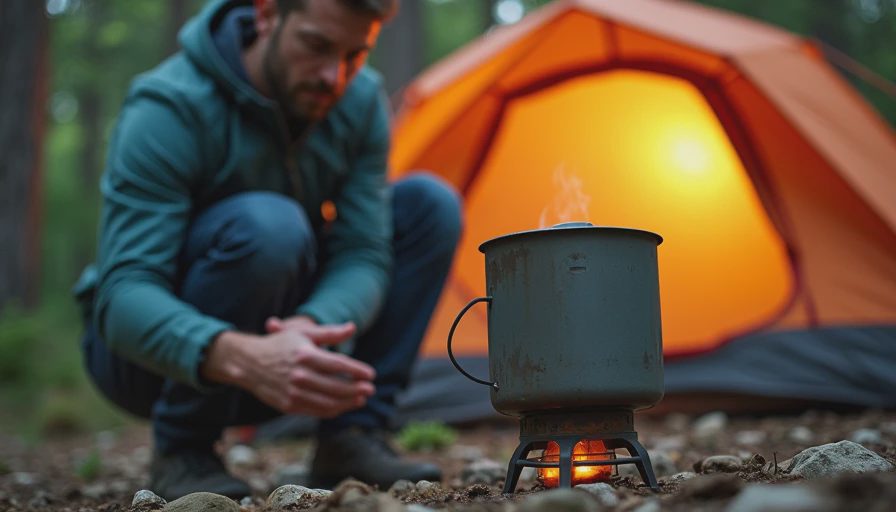
Choosing the right size and material
Size should follow your shelter and expected weather, not optimism. A stove built for a 10-by-10-foot hot tent may leave a small shelter unbearably hot, while a tiny backpacking stove can struggle to heat a family-sized canvas tent. Look at firebox length, chimney diameter, packed dimensions, and the manufacturer’s recommended shelter volume.
Steel is generally less expensive and holds heat longer after the fire settles. It is also heavier and can rust if stored damp. Titanium costs more, often around $250 to $500 for a complete lightweight setup, but it packs smaller and is easier to carry. Titanium cools quickly, which helps with teardown but gives you less residual warmth. Stainless steel sits between the two in some product lines, offering corrosion resistance without always matching titanium’s weight.
For a family car-camping setup, a steel stove from brands such as Winnerwell, Pomoly, or Camp Chef can be reasonable if the packed weight is acceptable. These companies make different sizes and configurations, so compare the complete kit rather than the attractive stove-only price. A missing chimney pipe or spark arrestor can turn a $180 purchase into a $300 project.
Details that matter more than the marketing photos
A camping wood stove needs a controllable burn. Look for adjustable air intake, a door that latches securely, and chimney sections that connect without excessive wobble. A removable ash pan is convenient, but it also adds another part to lose in the garage. I like legs that fold firmly and stovepipes that pack inside the firebox when possible. That arrangement reduces the number of loose metal tubes rolling around with the tent poles.
The door window is useful for checking the fire without opening the stove, but glass can soot up quickly when wood is damp or the fire is starved of air. A wide cooking surface is handy for a kettle, while a narrow top may be better for weight savings. Check whether the chimney cap is included, whether replacement pipe sections are available, and whether the stove jack diameter matches your shelter.
On paper, a very short packed length looks great. In a damp Ohio morning, less so, if it leaves wet ash and greasy pipe sections loose in a storage bin. A dedicated bag, heat-resistant gloves, and a metal ash container are not glamorous upgrades, but they improve the whole ownership experience.
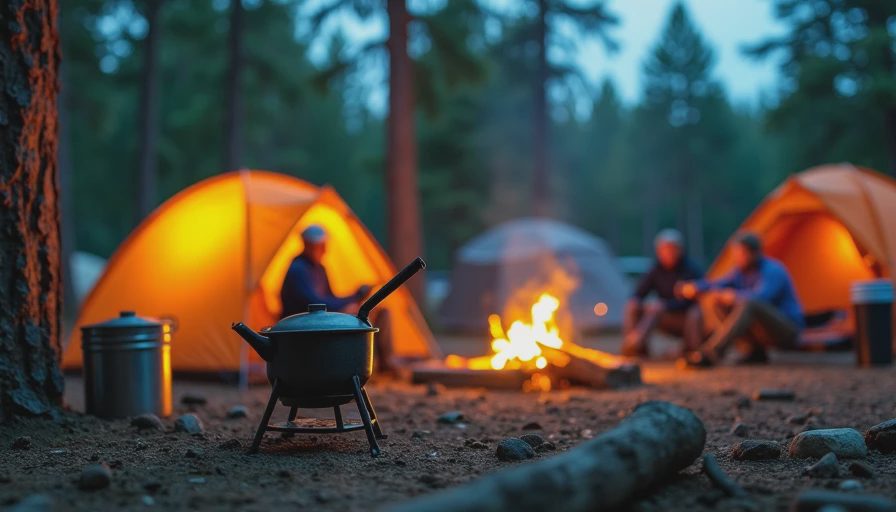
Safe setup and first burn
Before the trip, assemble the stove outdoors and perform a first burn. New paint, oils, and manufacturing residue can produce unpleasant smoke. Set the stove on a noncombustible mat or manufacturer-approved floor protector, then check every connection. The chimney should exit through a properly installed stove jack, not through a makeshift hole cut into fabric.
Keep the stove clear of sleeping bags, clothing, paper, and curious hands. Children need a simple boundary they can understand: the area around the stove is not a walkway or a place for toys. Use a dedicated tool or glove for the door handle because small metal components become hot enough to cause serious burns.
Burn only dry, untreated wood. Painted lumber, pressure-treated scraps, cardboard with coatings, and glossy packaging can release harmful chemicals and create heavy buildup. Start with small splits, establish a clean flame, and add fuel gradually. Closing the air intake too aggressively can create smoke and creosote. Let the fire burn down fully before packing the stove, and follow local rules for ash disposal.
How much work is it on a real weekend?
For a two-night trip, expect the first setup to take 20 to 40 minutes, depending on the shelter and chimney design. The stove itself may assemble in five minutes, but arranging the mat, stove jack, wood supply, detector, and safe storage takes longer. On a family weekend, that time competes with unloading sleeping bags, finding the bathroom, and answering the classic question about snacks.
Fuel planning matters. A small stove may consume a few armfuls of split wood over an evening, while a larger firebox can use much more. Buying dry bundled wood near a campground is convenient, but pieces may be too long or damp for a compact stove. A folding saw and small hatchet can help, although they add weight and require careful handling. For many families, buying suitable dry wood is simpler than turning camp arrival into a lumber operation.
A camping wood stove is most enjoyable when one adult manages the fire while everyone else settles in. If nobody wants that job, a simpler shelter and ordinary camp stove may be the better system.
Buying advice and final field notes
Set a complete budget rather than comparing stove bodies alone. A realistic package can include $150 to $450 for the stove, $30 to $100 for extra pipe or a spark arrestor, $25 to $60 for a mat, and another $20 to $50 for gloves, a detector, and ash handling. Titanium setups can push higher, especially when replacement pipe sections are included.
Before ordering, measure the shelter stove jack, the storage bin, and the vehicle space. Confirm the packed chimney length. Read the manual for clearance requirements and inspect the return policy. A stove that technically fits your tent but leaves no room for safe movement is not a bargain.
My practical recommendation is straightforward: choose steel for drive-up camps where durability and price matter, and choose titanium when every pound has to travel on your back. Buy the smallest camping wood stove that can safely heat your intended shelter, not the largest one that looks impressive beside a camp chair. I weighed it so you do not have to; now measure the tent, plan the fuel, and decide whether the warmth is worth the extra ritual. For the right weekend, it absolutely can be.



Letters
No letters yet — be the first to write.