An arctic zone cooler can look like a sensible middle ground between a soft lunch bag and a giant rotomolded box. That is usually the appeal: enough insulation for a day outside, useful pockets, and less lifting than the cooler that requires its own loading plan. I tested the decision the way I approach most family gear: measure the useful parts, carry it with actual food inside, and pay attention to the annoying details that do not appear in a product photo.
For weekend campers, the important question is not simply whether an arctic zone cooler keeps ice cold. Most insulated coolers do that for a while. The better question is whether its capacity, structure, closure, and cleaning routine match the way your family actually uses it. A cooler for four people at a soccer tournament has a different job from one holding steaks and drinks at a two-night campground.
What the cooler is designed to do
The Arctic Zone lineup includes soft-sided coolers with insulated compartments, shoulder straps, exterior pockets, and different capacity options. That combination works well for car camping, beach days, picnics, and short road trips. It also makes the gear easier to store than a rigid cooler, especially if your garage already contains a tent, folding chairs, two scooters, and an inflatable mattress that has somehow become a permanent resident.
An arctic zone cooler generally makes the most sense when portability matters more than maximum ice retention. A soft body can fit into a crowded trunk and sit beside a child’s backpack without wasting much space. The tradeoff is structure. When the main compartment is half full, it may slump, and loading food neatly takes more attention than it would with a hard plastic box.
Capacity numbers also deserve translation. A cooler labeled for roughly 16 to 30 cans sounds straightforward, but cans are much easier to pack than sandwich containers, fruit, ice packs, and a bottle of sunscreen. For a family of four, a smaller model is often a personal cooler or lunch carrier rather than the main food cooler. A medium model can handle a day trip if drinks are limited and food is packed tightly.
Insulation, ice, and the zipper question
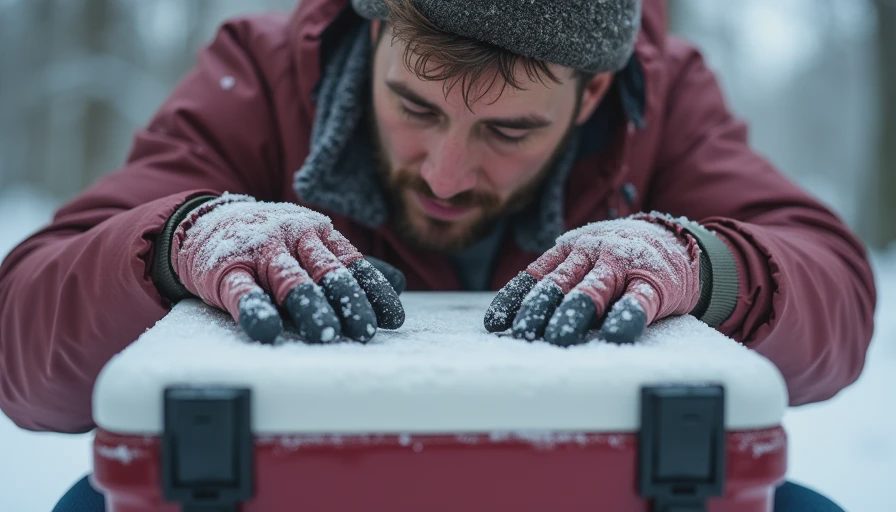
The insulation system is the main reason to consider an arctic zone cooler, but published ice-retention claims are difficult to compare. Test conditions change with starting temperature, ice type, opening frequency, shade, and outside heat. A cooler left closed in a basement is not having the same day as one opened every ten minutes by two children looking for grapes.
For a useful home comparison, chill the cooler overnight, add the same number of frozen packs, and fill both test bags with the same drinks. Record the internal temperature at breakfast, lunch, and dinner. Do not judge from one dramatic first reading. The practical result is whether the food remains properly cold through the afternoon and whether the ice packs are still partly frozen when you return home.
The zipper deserves equal attention. A tight closure helps reduce warm-air exchange, but it can also become irritating when the bag is overfilled. On an arctic zone cooler, pack the compartment so the lid can close without forcing the zipper around a bulging corner. A thin layer of clothing or a towel around the bag can help in a hot vehicle, although shade and pre-chilled contents matter more than clever accessories.
How much weight will you really carry?
A soft cooler usually wins before food is added. That advantage matters when one adult is carrying lunch from a parking lot to a picnic table while also holding a child’s water bottle and answering a question about whether rocks can be collected. I weighed it so you do not have to, but the more useful number is loaded weight. Drinks and ice quickly outweigh the bag itself.
A practical packing target is to separate heavy cans from delicate food. Put cold drinks low, use frozen bottles or reusable packs as part of the cooling mass, and place sandwiches in flat containers near the top. Exterior pockets can hold napkins, utensils, and sunscreen, but they are not a substitute for a dry bag. A leaky juice box can turn a convenient pocket into a small science experiment.
An arctic zone cooler with a shoulder strap is comfortable for short carries when the load stays moderate. For a full family day, handles on both ends are more useful than a single strap because two people can move the cooler without twisting the bag. If the cooler will travel in a canoe, on a bike, or over uneven ground, inspect the strap attachment points and avoid loading it beyond what you can safely carry.
Family-camping details that matter
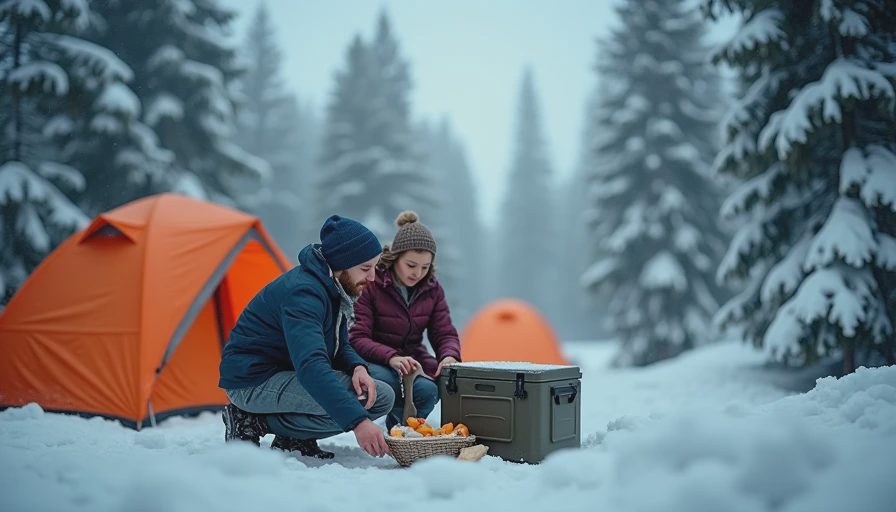
A family-friendly cooler needs to survive repeated opening, imperfect packing, and cleanup after food has escaped its container. Look for a wide opening that allows you to see the bottom without removing everything. Dark interiors hide spills and make the last yogurt difficult to locate. A removable liner or wipeable interior saves time after a weekend with fruit, melted ice, and one unidentifiable sticky patch.
The exterior pocket is more valuable than it sounds. Keeping paper plates, a small trash bag, or a bottle opener outside the cold compartment reduces unnecessary openings. Some models also include a separate dry section, which can work for crackers and napkins. Keep raw meat sealed in its own leakproof container, and place it below ready-to-eat food so a packaging failure does not create a larger problem.
For car camping, an arctic zone cooler is especially convenient when the campsite is close to the vehicle. It is less compelling for a long carry from a distant parking area if you have packed several days of food. In that situation, a hard cooler with sturdier handles or a wheeled design may be easier to manage, even if the empty cooler takes more storage space.
Arctic zone cooler versus a hard cooler
Think of the choice as a job assignment, not a brand loyalty test. A soft cooler is easier to store, lighter to move, and often friendlier for day trips. A hard cooler generally offers better rigidity, a more stable seat or work surface, and stronger protection for fragile food. It can also hold ice longer in demanding conditions, but it costs more in garage space and carrying effort.
For a family spending one afternoon at a park, the soft option usually provides enough performance without turning lunch into a logistics project. For a two-night trip with limited access to ice, a larger hard cooler may be the better tool. A useful compromise is keeping a medium arctic zone cooler for daily food and drinks while reserving a rigid cooler for bulk ingredients and long drives.
Pricing changes by model and retailer, so compare the capacity, empty weight, closure design, and included accessories rather than buying from the biggest discount label. A $40 difference is easy to justify if the better design prevents crushed sandwiches or keeps the bag comfortable to carry. It is not worth paying extra for a feature your family will never use.
My buying checklist and final take
Before buying, measure the trunk space where the cooler will ride. Check the packed dimensions, not only the advertised capacity. Decide whether you need room for cans, meal containers, or both. Confirm that the strap and handles suit the route from car to table. Then inspect the liner, zipper path, drain or cleaning arrangement, and pocket layout. Those details predict daily satisfaction better than a glossy photo beside a mountain lake.
I would choose an arctic zone cooler for day camping, youth sports, picnics, and short road trips where portability and organization matter. I would choose a hard cooler for long stays, large food loads, or situations where maximum cold retention is the priority. The right pick is the one that matches the trip instead of the fantasy version of the trip.
Pack it with chilled food, freeze the cooling packs in advance, keep it shaded, and open it with a plan. That will improve the result more than chasing a heroic ice-retention number. For most busy families, an arctic zone cooler is a practical, manageable piece of camp equipment: not magic, not indestructible, but pleasantly useful when its limits match the weekend.



Letters
No letters yet — be the first to write.