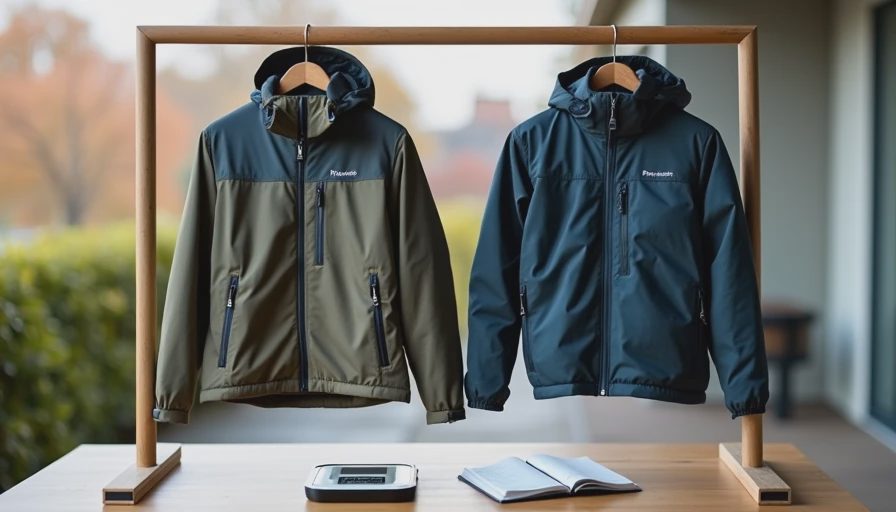
Puffy jackets get wet. Rain, kids spilling water bottles, condensation inside a tent, or just sitting on damp ground. The marketing usually focuses on how warm they are when dry. I wanted to know how long they actually take to become usable again.
I ran a simple side-by-side test with three common synthetic and down puffy jackets. Same starting wetness. Same outdoor conditions. Same indoor conditions. Timed until the jackets felt dry enough to wear without transferring moisture to a base layer.
The Jackets
Lightweight synthetic puffy (roughly 10 oz class, continuous filament synthetic insulation)
Midweight synthetic puffy (roughly 14–16 oz class)
Lightweight down puffy (850-fill, water-resistant shell, roughly 9–10 oz)
All three are the kind of pieces weekend campers and parents actually own—not expedition parkas.
The Protocol
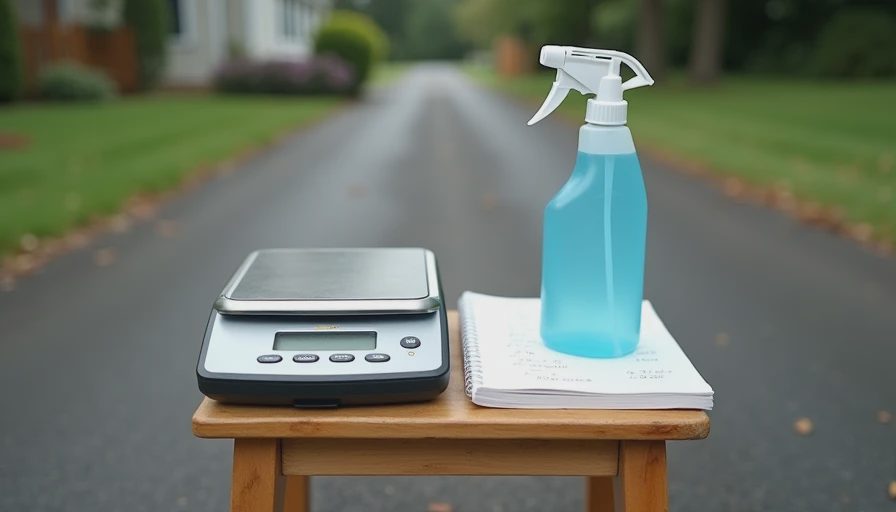
Each jacket was evenly dampened with a spray bottle until the outer fabric was saturated and the insulation felt cool and heavy (simulating a solid rain shower or heavy condensation).
Excess water was gently shaken off once—no wringing or machine spinning.
One set hung outside on a shaded clothesline: 58°F, light breeze 5–8 mph, overcast, typical Ohio spring day.
Matching set hung indoors on a drying rack in a room at 68°F with normal household airflow (ceiling fan on low).
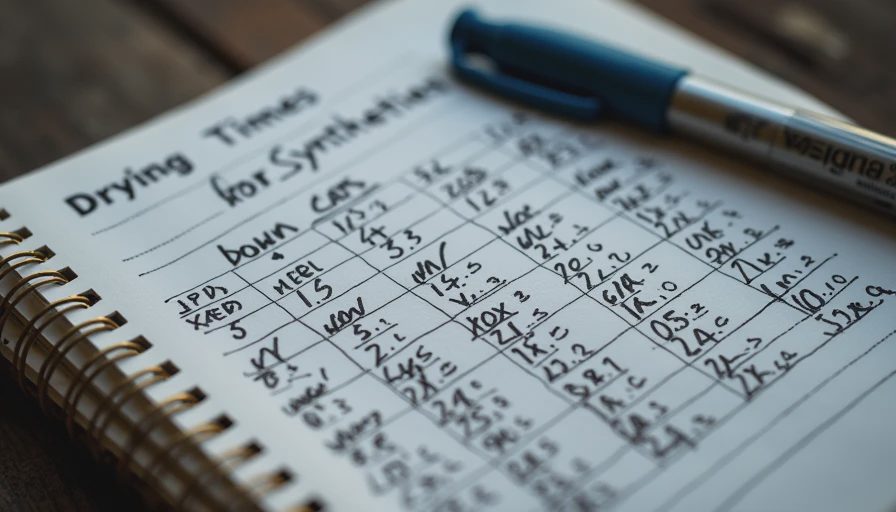
I checked every 30 minutes, noted weight on the scale, and recorded when the jacket no longer felt cold or damp against the skin.
I ran the test twice on different days to confirm the pattern.
The Results
Outside (shaded, light breeze, 58°F)
Jacket | Time to “wearable” | Time to fully dry (scale stable) |
|---|---|---|
Lightweight synthetic | 2 hours 15 min | 3 hours 40 min |
Midweight synthetic | 2 hours 45 min | 4 hours 30 min |
Lightweight down | 3 hours 30 min | 5 hours 45 min |
Indoors (68°F, light airflow)
Jacket | Time to “wearable” | Time to fully dry (scale stable) |
|---|---|---|
Lightweight synthetic | 3 hours 30 min | 5 hours 15 min |
Midweight synthetic | 4 hours 10 min | 6 hours 20 min |
Lightweight down | 5 hours 45 min | 8 hours+ |
“Wearable” means the jacket no longer left a cool damp feeling on a base layer and had lost most of the extra water weight. Fully dry means the scale reading had stopped dropping.
What the Numbers Show
Synthetic insulation dried faster in both environments. The difference was noticeable but not dramatic outside with a breeze. Indoors, with less air movement, the gap widened. The down jacket took significantly longer, especially inside. Even with a water-resistant shell, once the down clusters got wet they held moisture longer.
Airflow mattered more than temperature in this range. The outdoor breeze moved moisture away faster than the warmer but still indoor air. On a truly still, humid day the outdoor times would stretch. On a dry, windy day they would shrink.
Practical Takeaways for Weekend Campers
If you expect wet conditions and limited drying time, synthetic wins on recovery speed.
A light breeze is more useful than a slightly warmer room. Hanging the jacket where air can move through it beats draping it over a chair.
Down still has its place for dry cold and low weight, but it punishes you more when it gets wet and you need it again the same day.
For family trips, having one synthetic puffy in the mix gives you a faster-drying option when someone inevitably gets soaked.
I did not test every jacket on the market. I tested the categories most of us actually pack. The pattern was consistent: synthetic recovers faster, airflow beats stagnant air, and “water-resistant” does not mean “dries quickly once wet.”
Next time a jacket comes back damp, the scale and the clock give a clearer answer than hope.



Letters
No letters yet — be the first to write.