
I weighed it so you don’t have to.
Here’s the thing about camping sleep systems: nobody wants to spend $400 on a bag, but nobody wants to shiver through an Ohio spring night either. I’ve been testing budget quilts and premium sleeping bags side by side for the past few weeks, and I’ve got some thoughts that might save you a few hundred bucks—or help you decide where that money actually belongs.
Let’s be real. Most of us aren’t thru-hiking the Appalachian Trail. We’re weekend campers who want to sleep well without a) going broke or b) carrying a 5-pound anchor on our backs. So here’s what I found when I put a budget quilt up against a premium sleeping bag.
The Setup
I tested a budget down quilt (around $180–$200, 650–800 fill power range) against a premium sleeping bag (around $350–$400, 850–900 fill power). Same pad underneath. Same backyard. Same Ohio night. Same person who doesn’t love being cold.
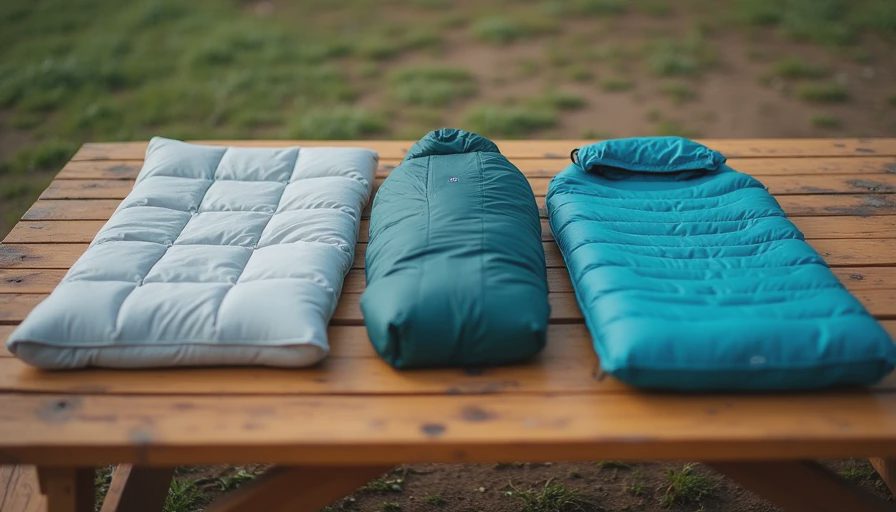
Where the Premium Bag Wins
Let’s not pretend the expensive option doesn’t have its moments. Because it does.
Draft-free sleep. This is the big one. A premium sleeping bag with a solid draft collar and a well-designed hood lets you crawl in, zip up, and forget about the outside world. No fussing with straps. No wondering if you tucked the edges under your pad properly. It just works. For cold nights below 20°F, this is the safer bet .
Hood coverage. Premium bags have integrated hoods that actually hold heat around your head. With a quilt, you’re bringing a beanie or a puffy jacket hood instead—which is fine, but it’s one more thing to remember . On a chilly morning, when you don’t want to get out of your cocoon to find your hat, the bag wins.
No learning curve. Unzip. Get in. Zip up. Done. If you’ve been camping long enough to have kids, you probably don’t want to spend your first night learning a new system. Premium sleeping bags are foolproof from night one.
Longevity. Here’s where the money actually shows up in a meaningful way. A good premium sleeping bag from brands like Therm-a-Rest or Sea to Summit can last 10–15+ years with proper care . Budget bags? Two to five years of occasional use, tops . Thinner fabrics, lower-grade down, cheaper baffling—it all adds up.
The Kelty Cosmic Down 20 is a perfect example of the budget tradeoff. It’s a solid, well-made bag for around $200. Our testers found it comfortable and reliable on nights in the low 40s. But they also worried it would be too cold if temperatures actually hit 20°F . Good bag? Absolutely. First backpacking bag? Great choice. Bag you trust at the edge of its rating? Maybe not.
Where the Budget Quilt Wins
Now let’s talk about the underdog. Because quilts have a bad reputation, and frankly, it’s not entirely deserved.
Weight savings. This is the headline. A quilt eliminates the bottom insulation and hood, which are essentially dead weight when you’re lying on them anyway . A quality down quilt can weigh 20–30% less than a comparable sleeping bag and pack down to the size of a football . That means more room for snacks. Or kid gear. Or snacks for the kids. Whatever.
Freedom of movement. If you’re a side sleeper—and let’s be honest, most of us are—a quilt is liberating. You can roll, sprawl, stick a leg out, sleep like a starfish. No fighting with a mummy bag that feels like it’s trying to swaddle you . The Enlightened Equipment Revelation is the industry standard here, with a customizable design that lets you move naturally while staying warm .
Versatility. On a warm summer night when even a 40°F bag is overkill, a quilt opens up into a down blanket . You can use it around the campfire, share it with a kid who got cold, or just toss it over you like you would at home. The Therm-a-Rest Vesper even has a deep footbox and neck cinch that lets you regulate temperature on the fly .
Value. Here’s the thing: a budget quilt—even one with decent specs—can do 80% of what a premium sleeping bag does at half the price. For weekend campers who aren’t counting grams like a thru-hiker, the value proposition is real .

The Catch: Your Sleeping Pad Matters More Than You Think
Here’s the part nobody tells you: a quilt is only as warm as the pad underneath it .
With a sleeping bag, you’re getting at least a little insulation underneath you—even if most of it gets compressed. With a quilt, you’re sleeping directly on your pad. If your pad has an R-value below 3.5, you’re going to feel ground chill, and no amount of premium down on top will fix it .
For three-season camping in Ohio, you want a pad with an R-value of at least 4.0. If you’re using a quilt below 20°F, bump that to 5.0+ . That’s not optional. That’s physics.
So What Should You Actually Buy?
Look, I’m not here to tell you there’s a single right answer. Because there isn’t. It depends on who you are and how you camp.
Get the sleeping bag if:
You camp in cold weather below 20°F regularly
You don’t want to learn a new system
You sleep cold and want maximum draft protection
You’re buying for a kid who will wiggle out from under any blanket anyway
Get the quilt if:
Weight and packability matter more than foolproof simplicity
You’re a side sleeper who feels trapped in mummy bags
You’re willing to spend a night or two learning draft management
You already have—or are willing to buy—a sleeping pad with good R-value
A compromise worth considering: The Kelty Cosmic Down 20 is a solid bag that won’t break the bank, especially if you’re outfitting multiple family members . It’s not ultralight, but for car camping and short backpacking trips, it’s perfectly fine.
Or, if you want to dip your toe into the quilt world without going all-in, look at budget options like the Hammock Gear Econ Burrow (around $180) . It’s a legitimate quilt that won’t bankrupt you if you decide quilts aren’t for you.
The Bottom Line
On paper, a premium sleeping bag looks like the obvious winner. But “good spec, mediocre experience” sometimes goes the other way—a quilt can be a genuinely better experience for a lot of weekend campers.
For me? I keep a premium bag for cold shoulder-season trips and a quilt for everything else. But I’m a guy who brings a digital scale into the backyard without feeling weird about it. Your mileage may vary.
What’s your sleep system? Ever tried a quilt? Let me know in the comments—I’m genuinely curious who’s made the switch and who’s sticking with the bag.
— Tom
P.S. If you’re trying to decide, rent a quilt from REI for a weekend and try it out with your sleeping bag as backup. That’s how I started, and it’s a lot cheaper than buying something you hate .

Letters
No letters yet — be the first to write.