A snow peak tent is the sort of camping purchase that makes you pause at checkout. The designs are clean, the materials feel deliberate, and the prices sit well above the usual family-camping aisle. I understand the appeal. A tent is not just a pile of nylon; it is where everyone hides when the forecast develops a personality. The useful question is whether the extra money buys a better weekend or simply a prettier bag in your gear closet.
Snow Peak is a Japanese outdoor brand known for refined camping equipment, including shelters, cookware, furniture, and sleeping systems. Its tents often emphasize thoughtful construction, distinctive layouts, and compatibility with the brand's broader camp setup. That can be valuable for organized car campers. It can also be unnecessary if your typical trip involves one night, two kids, and a late arrival at a state park.
What you are really paying for
The first snow peak tent decision is about use, not logo. Models in the lineup range from compact shelters for couples to larger two-room designs intended for groups and longer stays. Some are designed around a separate inner tent and outer fly, while others prioritize quick, open-air living. That difference affects setup time, ventilation, privacy, and how much usable space remains after sleeping bags occupy the floor.
On paper, this looks great. In a damp Ohio morning, less so if the design has limited airflow or a fly that touches the inner fabric. Look for a full-coverage rainfly, high-quality poles, reliable guy points, and vents that can remain open during rain. A strong frame matters in gusty weather, but a tent still needs proper staking. No shelter brand can negotiate with a badly placed campsite.
Prices commonly run from several hundred dollars for smaller models to well over $1,000 for large shelters and complete systems. That is a meaningful jump from brands such as Coleman, Kelty, or Alps Mountaineering. The benefit is usually better finishing, more distinctive livability, and a system that feels intentional. The tradeoff is that repairs, replacement parts, and add-on accessories can also cost more.

Setup and packed size in normal life
A snow peak tent can be a pleasure to pitch when you have a level campsite, daylight, and ten unhurried minutes. Family camping does not always provide those conditions. Before buying, study the pole structure and identify whether one person can assemble it while another handles food, children, or the mysterious missing mallet.
Packed size deserves the same attention as floor dimensions. A shelter that looks spacious at camp may require a long carry bag and a trunk footprint that competes with the cooler. I weighed it so you do not have to, but the more important measurement is the complete system weight: tent body, fly, poles, stakes, guylines, and storage bags. Brand-listed weights sometimes separate optional components, which makes comparisons look cleaner than the actual Subaru-loading experience.
For car camping, a few extra pounds are usually acceptable if setup is easier and the interior works better. For a short backpacking trip, the calculation changes quickly. A roomy snow peak tent can make sense for drive-in camping but become an awkward choice once you are carrying it beyond the parking lot.
Interior space and family comfort
Floor area is only the beginning. A four-person rating often assumes four sleeping pads arranged shoulder to shoulder, not two adults, two children, duffel bags, shoes, and a damp jacket that nobody wants touching the sleeping bag. Check the peak height, door width, vestibule depth, and whether the walls slope sharply above the floor.
A tall family member will notice a low ridge height every time they change clothes. Parents will notice the doors when a child needs the bathroom at 2 a.m. A vestibule large enough for footwear and a small tote keeps the sleeping area cleaner and reduces the morning shuffle. If the design creates a covered living zone, measure its practical height rather than admiring the catalog photograph.
The best snow peak tent for a family is not necessarily the largest one. It is the model that leaves a little breathing room without demanding a trailer. For two adults and two children, I would generally favor a shelter marketed for four or five people, depending on how much indoor storage you need. The extra floor area often improves sleep more than a thicker sleeping pad does.
Rain, wind, and ventilation
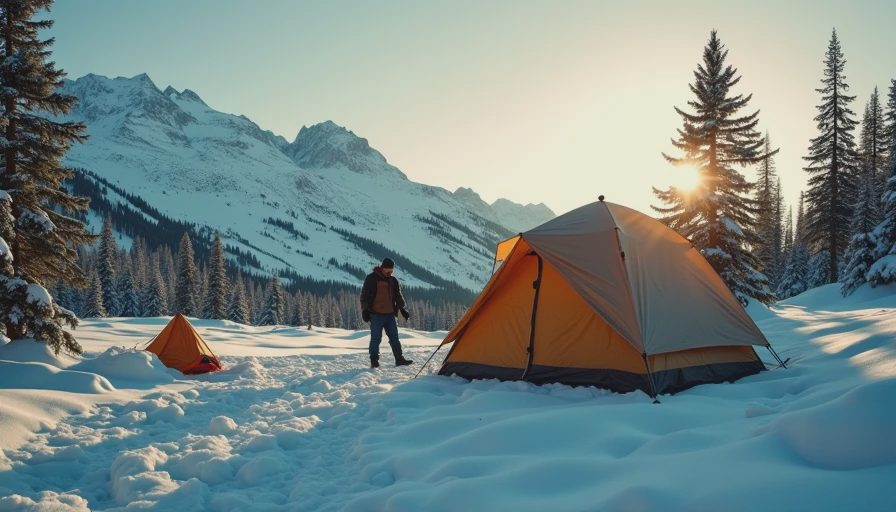
Weather testing is where attractive gear earns its keep. A snow peak tent should shed steady rain without turning the interior into a sealed plastic bag. Look for protected vents, adjustable openings, bathtub-style floor construction, and enough separation between the fly and inner body for air to move.
In light rain, opening a vent can prevent condensation from collecting on the ceiling. In cold weather, people often close everything to conserve warmth, then blame the tent for the moisture created by four sleeping humans. That is not a product defect so much as physics showing up uninvited. Dry the tent completely at home before storage, especially after a humid weekend.
Wind performance depends on shape, poles, staking, and site selection. A low, taut shelter generally handles gusts more calmly than a tall wall of fabric. Use all recommended guylines when the forecast is rough, and place stakes at the correct angle. If your camping routine includes exposed lakefront sites, prioritize stability and ventilation over a dramatic roofline.
Snow Peak versus cheaper alternatives
A Kelty or REI Co-op tent may provide more straightforward value for occasional family trips. Coleman often wins on low entry price and broad availability. Big Agnes and MSR offer strong choices when lower weight matters more than living-room space. The snow peak tent advantage is less about a single headline specification and more about the complete experience: materials, layout, visual design, and compatibility with other camp equipment.
That experience is worth paying for when you camp often, care about a refined setup, and expect to use the shelter for years. It is harder to justify when the tent will spend eleven months in a basement and see one fair-weather weekend each summer. A $900 shelter does not create better memories than a $250 shelter if the family is still cold, hungry, and arguing about where the lantern goes.
Before buying, compare the complete price. Include a groundsheet, compatible inner tent if it is optional, replacement stakes, and storage requirements. An apparently affordable base model can become a much larger purchase after accessories are added.
A practical buying process
Start by writing down your actual camping pattern: number of sleepers, drive-in or carry-in trips, average weather, setup time, and available vehicle space. Then measure your largest sleeping pads and sketch them on the floor with a tape measure. This exposes optimistic capacity ratings quickly.
Next, watch a full setup video rather than a thirty-second promotional clip. Look for the number of poles, whether the fly must be attached separately, and how the shelter is packed afterward. Read the warranty and replacement-part information before spending premium money. A well-supported tent is easier to keep useful after a bent pole or damaged buckle.
Finally, decide whether you value speed, interior living space, low weight, or design integration most. You can have several, but not every advantage at the same price. The right snow peak tent should solve a recurring problem in your camping routine, not merely add another handsome object to the garage.
For busy families, that is the honest test. If the shelter goes up predictably, keeps rain outside, gives everyone enough room, and fits the car without a packing spreadsheet worthy of a NASA launch, it is doing its job. Choose the model that matches your weekends, not the imaginary expedition you might take someday.




Letters
No letters yet — be the first to write.