
I was halfway through a canister stove wind test when my hat left.
It was a normal Ohio spring afternoon—58 degrees, steady 10–12 mph breeze across the driveway, the kind of wind that makes a loose baseball cap decide it has better places to be. I had the notebook open, the scale zeroed, the same 500 ml of water in the same pot, and the timer running on the third stove of the day. One good gust and the hat was rolling toward the neighbor’s fence.
I let it go. The stove did not care.
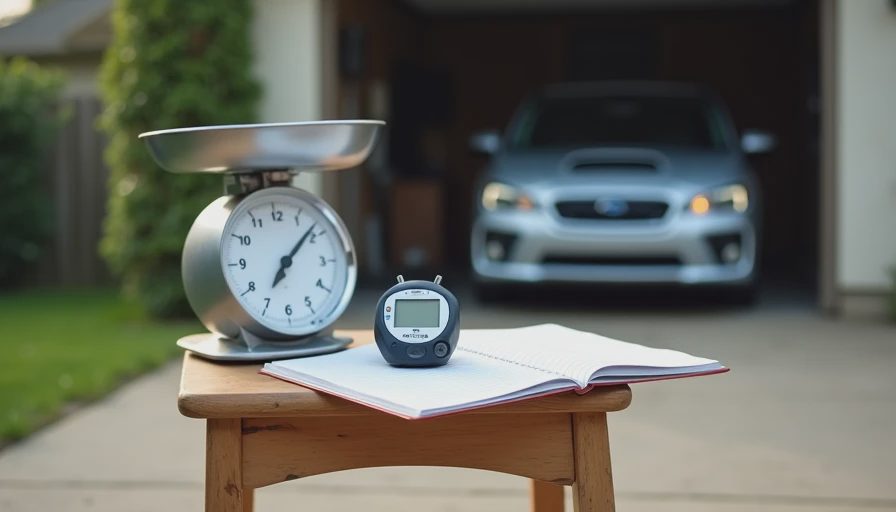
That small moment is why I trust a fixed protocol more than a first impression. The wind that stole the hat was the same wind hitting the flame. If the stove still brought the water to a rolling boil in a respectable time, with the same canister and the same starting temperature, then the result counted. My comfort level that afternoon did not.
Why the Notebook Beats the Feeling
Gear testing is full of moments that feel decisive but are not. A stove that lights on the first click feels reliable. A pad that inflates without fuss feels premium. A jacket that blocks the first gust feels warm. None of those feelings survive contact with repeated, controlled conditions.
The notebook does. Same water volume. Same pot. Same starting temperature. Same exposure. Multiple runs. When the numbers stay consistent even while a hat is making a break for it, you have something more useful than a story.
I have lost other small things during tests—pencils, a lightweight stuff sack, once a glove that I still have not found. The protocol stayed the same. That is the point. The test is not about whether the afternoon was pleasant. It is about whether the gear did the job under the conditions you actually get.
What the Wind Test Actually Showed That Day
The stove in question was a standard screw-on canister model. In calm air it had been fine. In the steady breeze it slowed, but it still finished. Fuel use went up a little, as expected. The flame pattern changed, also as expected. None of that was a surprise. The useful part was watching the numbers hold while the rest of the scene got slightly ridiculous.
A lot of gear reviews are written from the opposite direction. The reviewer has a good day, the gear cooperates, and the write-up inherits the good mood. Or the reviewer has a bad day, the gear fights back, and the write-up inherits the frustration. Both versions are understandable. Neither is especially repeatable.
The Quiet Advantage of Looking a Little Foolish
Standing in a driveway with a scale, a stopwatch, and a pot of water while your hat rolls away is not glamorous. It is also not complicated. That is the advantage. You do not need a mountain ridgeline or a sponsored expedition to learn whether a stove holds its boil time in real wind. You need consistent conditions and the willingness to keep the timer running even when the afternoon gets silly.
The same logic applies to pads, jackets, pillows, and the rest. Measure what you can. Control what you can. Write down what happened instead of what you wished had happened. The hat can leave. The data stays.
I eventually retrieved the hat from the fence line. The stove had already passed. The notebook had the times, the fuel weights, and a short note in the margin: “Hat departed at 2:14. Stove did not notice.”

That is the kind of entry I trust.


Letters
No letters yet — be the first to write.