A titan cooler can mean several soft-sided cooler models from Arctic Zone, so the name alone does not tell you whether it will suit a family weekend, soccer sideline, or backyard lunch. The useful questions are simpler: how much food does it hold, how well does it manage ice, how easy is it to carry, and what happens when a child spills grape juice inside? I weighed it so you do not have to, although the juice test remains unfairly difficult for every product in this category.
What the Titan cooler name actually covers
The Titan cooler range generally includes soft-sided insulated bags and larger tote-style designs, with features such as zippered closures, removable liners, shoulder straps, and exterior pockets. Exact capacity, construction, and accessories depend on the model. That matters because a compact lunch cooler and a family-size soft cooler solve different problems.
A smaller Titan cooler is useful for two lunches, drinks, and a few snacks. It fits behind a vehicle seat and does not demand a second person when loaded. Larger versions make more sense for a day at the lake or a car-camping trip, especially when you want sandwiches, fruit, yogurt, and cold drinks in one container. They are still easier to lift than a comparable hard cooler, but the tradeoff is less rigid structure and usually less long-duration ice performance.
On paper, a soft cooler with thick insulation looks great. In a damp Ohio morning, less so if the zipper is wet, the liner is difficult to clean, or the bag collapses while you are trying to pack it. The best choice depends more on your routine than on the largest capacity printed on a product page.
Capacity, packing, and the family-car test
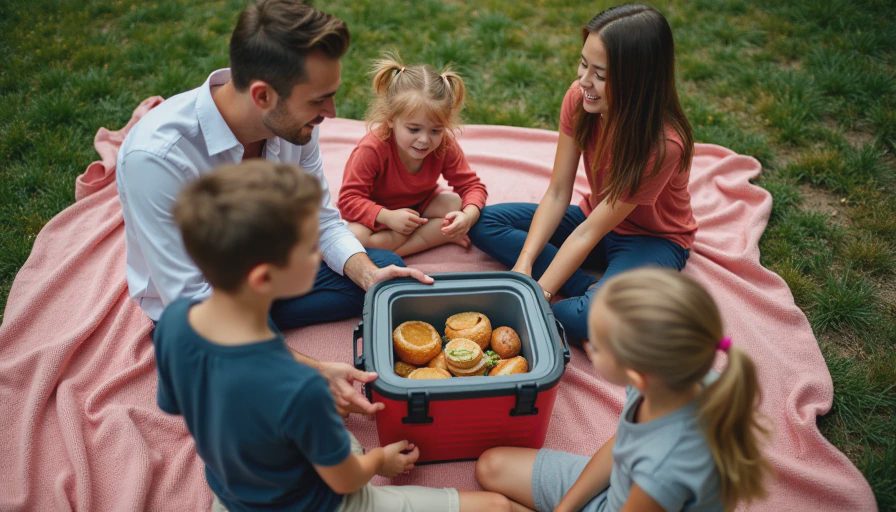
The advertised quart capacity is only part of the story. Usable space disappears when you add ice packs, tall bottles, rigid food containers, and the awkward rectangular lunchbox that somehow travels on every family trip. Before buying a Titan cooler, measure the space between your vehicle seats or inside the trunk. A bag that fits neatly beside a stroller is more useful than one that technically holds another sandwich but blocks the cargo area.
For a family of four, I would separate food and drinks when possible. Put fragile food in one insulated bag and beverages in another. This reduces rummaging, keeps the food compartment closed, and prevents a child from excavating through sliced fruit to find a juice box. A Titan cooler with a wide opening is convenient for loading, but a narrower design can hold its shape better when carried.
Soft coolers also reward sensible packing. Start with frozen gel packs on the bottom, place the coldest items in the center, and fill large empty spaces with smaller packs or chilled bottles. Pre-chilling the bag and its contents helps more than buying a fancy accessory. Do not expect a soft cooler to behave like a heavy rotomolded chest left in shade for several days.
Insulation and real-world cooling
A Titan cooler is best viewed as a day-use tool unless your own test shows otherwise. It can keep lunch cold through a workday, a park visit, or a drive to a campground when packed properly. Heat, direct sun, repeated opening, and warm drinks will shorten that window. The zipper and lid are especially important because every opening exchanges cold air for warmer air.
For routine camping, frozen water bottles are practical because they provide cooling and become drinking water later. Sealed gel packs are cleaner around sandwiches. Loose ice creates meltwater, so use it only when the liner is designed for that job and you are comfortable draining and drying the bag afterward. A useful home test is to load the cooler exactly as you normally would, place it in a shaded garage, and check food temperatures with a basic kitchen thermometer rather than relying on a cold-feeling exterior.
No single test predicts every trip, but it quickly reveals whether the cooler works for your schedule. If lunch is still safely cold after the morning drive and several hours outside, you have a useful family system. If the bag warms quickly when opened five times, pack individual lunches or use separate smaller containers.
Carry comfort, leaks, and cleanup
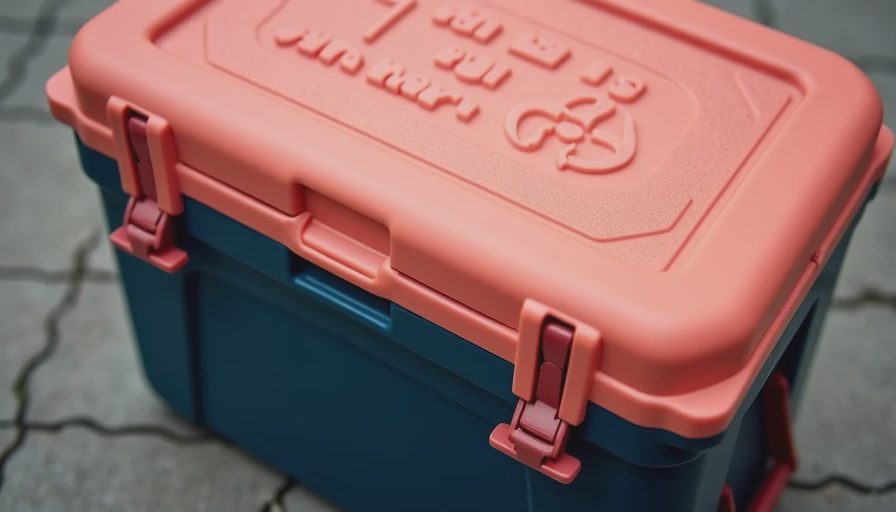
A full Titan cooler can become surprisingly heavy. Four large reusable bottles, food containers, and several ice packs add up quickly, so inspect the handles before loading it for a long walk. A padded shoulder strap helps across a parking lot, while short handles are better for placing the bag into a trunk. Neither design eliminates the basic rule that a cooler packed like a refrigerator will weigh like one.
Cleanup is where soft coolers earn or lose their keep. After each trip, empty the liner, wipe it with mild soap and water, and leave every compartment open until completely dry. Crumbs trapped under a removable liner can produce an impressive science project by the next Friday. Avoid storing the cooler zipped shut while damp. Check seams and the liner for leakage before placing it on a car seat or tent floor.
For messy family food, use sealed containers and a separate bag for wet items. This makes the Titan cooler easier to maintain and limits the damage from a tipped container. A soft cooler is convenient because it folds or stores more easily than a hard chest, but it still needs a drying routine.
Titan cooler versus common alternatives
A hard cooler from Coleman or Igloo usually offers better rigidity, easier stacking, and stronger protection from rough handling. It is the better choice for a large campsite food supply, fishing gear, or a trip where the cooler will sit outside for extended periods. The cost is extra weight and a larger storage footprint.
A basic insulated grocery tote can cost less than $20 and works for short errands. It usually has weaker structure, less dependable closure hardware, and fewer useful pockets. A Titan cooler makes more sense when you carry food regularly and want a reusable bag that can handle drives, parks, and weekend camps without looking like an improvised shopping solution.
Premium soft coolers from brands such as Yeti and Hydro Flask often emphasize durable materials and strong insulation, but they can cost substantially more. The practical question is whether those upgrades matter for your use. Paying $80 to $150 for a cooler that gets used every weekend can be reasonable; paying that amount for one annual picnic is harder to justify.
How I would choose a model
Start with the smallest capacity that fits your normal meal plan. Add room only if you regularly carry bulky containers, several bottles, or food for more than four people. Check the empty weight, opening shape, handle design, liner construction, and whether the interior can be wiped clean without hidden folds.
Then compare the delivered price rather than the list price. Seasonal sales can move soft cooler prices considerably, and a $10 difference is less important than a design that fits your vehicle. Read recent customer comments for recurring complaints about broken zippers, leaking liners, or uncomfortable straps. One isolated complaint is noise; the same complaint across multiple reviews is a data point.
For many families, a mid-size Titan cooler is the sensible middle ground: lighter and easier to store than a hard chest, but more organized and durable than a thin tote. It is not a substitute for a serious multi-day ice chest, and pretending otherwise is how gear reviews become campfire fiction.
Final recommendation
Choose a Titan cooler when your trips center on day outings, short drives, car camping, sports fields, and family lunches. Pack it with frozen bottles or reusable ice packs, keep it shaded, limit unnecessary opening, and dry it after every use. Those habits will influence performance more than a dramatic marketing phrase on the label.
Skip it in favor of a hard cooler if you need maximum ice retention, a rigid seat, animal-resistant storage, or several days of unattended cooling. For ordinary weekend use, however, the right Titan cooler can reduce bulk without creating another complicated piece of camping equipment. That is a good spec and a good experience, which is more than many shiny gear purchases manage.



Letters
No letters yet — be the first to write.