Ultralight backpacking tents sound like specialized equipment for people who count toothpaste grams and hike before breakfast. Some are exactly that. Others are practical shelters for a parent, couple, or weekend camper who wants a lighter pack without sleeping in a nylon envelope. The useful question is not whether ultralight backpacking tents are impressive on a spreadsheet. It is whether the reduced weight improves your trip more than the smaller interior, higher price, or fussier setup hurts it.
I weighed it so you do not have to. After comparing packed weights, usable floor space, pole systems, weather protection, and setup time, I would start with the entire shelter system rather than the number printed on the product page. A tent listed at 2 pounds often excludes stakes, guylines, a footprint, or the trekking poles needed to pitch it. That is where good spec, mediocre experience begins.
What “ultralight” means in real numbers
There is no single legal definition of ultralight, but backpackers commonly use the term for a shelter weighing around 2 pounds or less per person. A two-person tent weighing 3 to 4 pounds total is a realistic target for many weekend trips. Single-wall trekking-pole shelters can come in below 2 pounds, while freestanding models from brands such as Big Agnes, Nemo, and MSR often trade a few extra ounces for easier pitching and more familiar handling.
Look at packed weight, not minimum weight. Minimum weight usually removes some combination of stakes, stuff sacks, guylines, or poles. Packed weight is closer to what goes into the car or backpack. For example, a 30-ounce shelter can become 36 ounces after four sturdy stakes, two extra lines, and a small repair kit. That is still light, but the comparison is now honest.
The practical benefit is noticeable. Saving 1.5 pounds from a shelter can make a loaded weekend pack feel less like a bag of landscaping rocks. It can also let you carry a warmer sleeping pad or a larger food bag without increasing total weight. If you are only walking 300 yards from the parking lot, the benefit is smaller, and a roomy three-person tent may be the better purchase.
Choose the shelter style before the brand
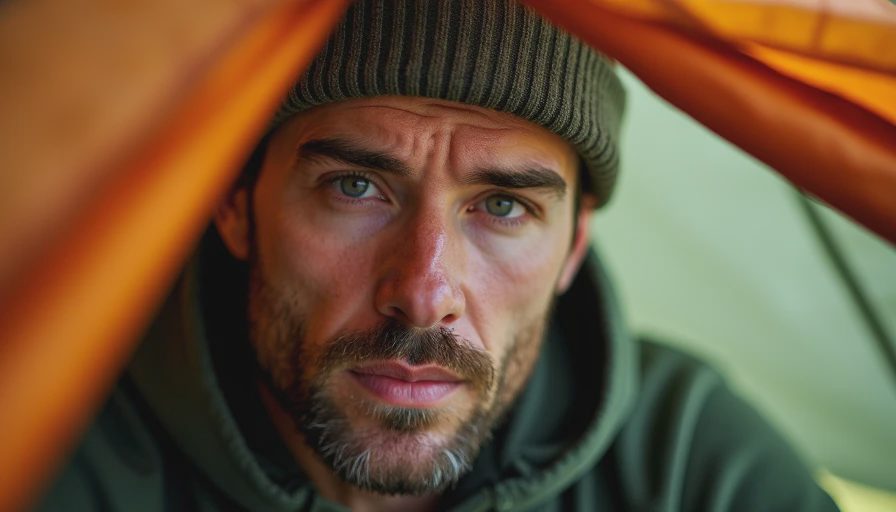
The main choice is between freestanding, semi-freestanding, and trekking-pole designs. Freestanding ultralight backpacking tents use dedicated poles and can usually stand before every stake is placed. That makes them convenient on rocky ground, crowded campsites, and rainy evenings when nobody wants to spread fabric across the mud. The tradeoff is a somewhat heavier pole set and, often, a higher price.
Semi-freestanding designs save weight by using fewer poles and relying on stakes for part of the structure. They can be excellent, but site selection matters. You need enough clear ground to tension the corners, and the floor shape may feel narrower near the feet. For two adults, compare the actual floor width at the head and foot rather than trusting the word “two-person.” Two standard sleeping pads may fit tightly, especially when each camper brings a wide pad.
Trekking-pole shelters can be the lightest option, sometimes dramatically so. They make sense for hikers who already carry adjustable poles and understand how to create a tight pitch. They are less convenient for families who want a fast setup or do not hike with poles. A tent that saves 12 ounces but takes three attempts to pitch in wind is not automatically a better tent. It is just a lighter problem.
Space, ventilation, and condensation
Weight is easy to measure. Livability takes more attention. Check the floor dimensions, peak height, door location, vestibule area, and wall angle. A high peak can make changing clothes easier, but steep sidewalls usually matter more because they preserve shoulder room. Two adults can sleep comfortably in a compact shelter, while two adults and a seven-year-old may need a three-person model for everyone’s elbows and midnight water bottles.
Ventilation is especially important in humid regions and during shoulder-season trips. Look for mesh panels, adjustable vents, and enough separation between the rainfly and inner body. Condensation is not necessarily a manufacturing defect. Warm, damp breath meets cool fabric, and physics files another report nobody requested. Good airflow reduces the problem, but it does not eliminate it.
Ultralight backpacking tents with large mesh interiors are pleasant in dry summer weather, yet they can feel drafty when temperatures fall. Solid fabric panels offer more protection from wind and blowing moisture but add weight. For Midwest camping, I usually value adjustable ventilation over the absolute lowest listed weight. A few extra ounces are cheaper than a night spent wiping droplets off a sleeping bag.
Weather protection and setup testing
Before buying ultralight backpacking tents, practice pitching the exact shelter in a backyard. Time the process from opening the stuff sack to attaching the rainfly. Then repeat it after loosening the stakes and pretending the ground is uneven. This exposes confusing clips, short guylines, and pole connections while the nearest bathroom is still indoors.
A quality rainfly should provide useful coverage over the doors and sleeping area. Check whether the fly reaches close to the ground in the places where wind-driven rain is likely to enter. A bathtub-style floor, fully taped seams, and durable zipper tracks are more important than a dramatic minimum weight. If a manufacturer recommends seam sealing, treat that as part of the purchase process rather than an optional craft project.
On paper, this looks great. In a damp Ohio morning, less so. A shelter that pitches loosely may collect water, sag overnight, or allow the fly to touch the inner tent. Tension adjustments are normal, but the basic geometry should be understandable without watching a 19-minute video beside a trailhead.
Cost, durability, and sensible compromises
The price range is wide. Entry-level ultralight backpacking tents can cost roughly $180 to $300, while well-known models from companies such as Durston, Gossamer Gear, Big Agnes, Nemo, and Zpacks may run from about $300 to more than $700. More money can buy lower weight, better fabrics, lighter poles, or a refined design, but it does not guarantee that the shelter suits your trips.
For a family that camps four or five nights per year, a $250 tent with a slightly heavier fabric may deliver more value than a $650 model that requires delicate handling. Dyneema shelters resist water and can be very light, but replacement costs are higher and punctures still require attention. Silnylon and polyester options are often less expensive, though some fabrics stretch or sag more when wet.
Think about the cost per useful trip. A $400 tent used for twenty weekends costs $20 per outing before resale. A cheaper tent abandoned after two frustrating nights was not actually a bargain. Spend first on a reliable rainfly, sensible ventilation, and enough room. Save on color, exotic fabric, or a few ounces that do not change how you sleep.
A practical buying checklist
Start by writing down your normal use: solo overnights, partner trips, family backup shelter, or longer hikes. Measure your sleeping pads and compare their combined width with the tent’s interior dimensions. Add at least a little tolerance for clothing, a book, and the inevitable snack wrapper that appears inside every shelter.
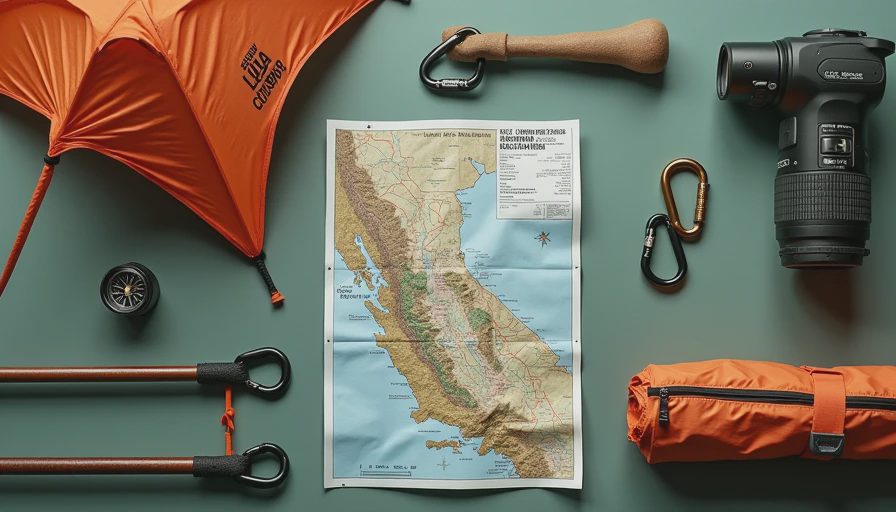
Next, record the complete shelter weight, including poles, stakes, guylines, stuff sacks, and footprint if you plan to carry one. Confirm the packed length fits your vehicle and backpack. Read owner reports for zipper behavior, condensation, wind performance, and warranty support rather than focusing only on star ratings.
Finally, practice setup twice before the first trip. Mark the correct stake points, learn which vents can open from inside, and pack a small repair kit. If the tent feels cramped in the backyard, it will not become more spacious beside a creek. Ultralight backpacking tents reward honest matching between gear and routine, not aspirational shopping.
For most weekend campers, the best choice is a complete shelter that is light enough to carry, roomy enough to sleep normally, and simple enough to pitch while tired. Ultralight backpacking tents are useful tools, not badges of seriousness. Compare the whole system, test it at home, and let the scale inform the decision without allowing it to run the household.


Letters
No letters yet — be the first to write.