Western mountaineering sleeping bags have a reputation for excellent down, careful construction, and prices that can make a person check the receipt twice. That reputation is mostly deserved, but a high-end bag is not automatically the right bag for every family campground or shoulder-season trip. The useful question is simpler: does the warmth, weight, and fit match how you actually camp?
I approached this the way I approach most gear decisions: compare the specs, identify the meaningful differences, and ignore the shiny distractions. Western Mountaineering offers several models that look similar at first glance but serve different sleepers. A summer backpacker, a broad-shouldered side sleeper, and a parent sharing a tent with two chilly children should not buy the same bag.
What makes Western Mountaineering sleeping bags different
The main appeal is the combination of high-quality down insulation, relatively low weight, and a simple design that puts insulation where it matters. Models such as the UltraLite and Versalite use lofty down and efficient mummy shapes rather than adding heavy features that look useful in a catalog but spend most of the trip compressed in your trunk.
Western Mountaineering also sells bags in several width and length options. That matters more than a tiny difference in listed weight. A bag that saves three ounces but squeezes your shoulders all night is not a bargain; it is an expensive fabric tube with poor customer service from your own legs. The AlpinLite provides more shoulder room than the narrowest mummy designs, while the MegaLite uses a roomier cut that can suit restless sleepers and lighter summer conditions.
The company’s bags are generally built around responsibly sourced, high-fill-power down and durable shell fabrics. That does not make them waterproof. Down still needs protection from condensation, wet clothing, and a leaky tent. The real advantage is efficiency: a well-made down bag can provide substantial warmth without the bulk of many synthetic alternatives.

Choosing the right temperature rating
Temperature ratings are useful for comparing bags, but they are not a promise that every sleeper will feel comfortable at the same number. A cold sleeper in damp cotton clothing may be unhappy at a temperature where a warm sleeper is perfectly comfortable. Your sleeping pad, base layers, tent ventilation, and recent meal all affect the result.
The UltraLite is commonly considered a three-season option for hikers who prioritize low weight and a trim fit. The Versalite adds more warmth for colder shoulder-season trips without becoming a winter expedition bag. The Apache sits in a similar general category but offers a different balance of warmth and space, depending on the version and size you choose.
For family camping, I would avoid buying a bag based only on its lowest advertised rating. If your typical trips involve 35- to 50-degree nights, a bag rated around that range gives you useful flexibility. If you regularly camp near freezing, look at a warmer model and a better sleeping pad before simply piling on extra clothing. Insulation underneath you is easy to overlook because the ground does not send a thank-you note.
Fit, shape, and sleeping position
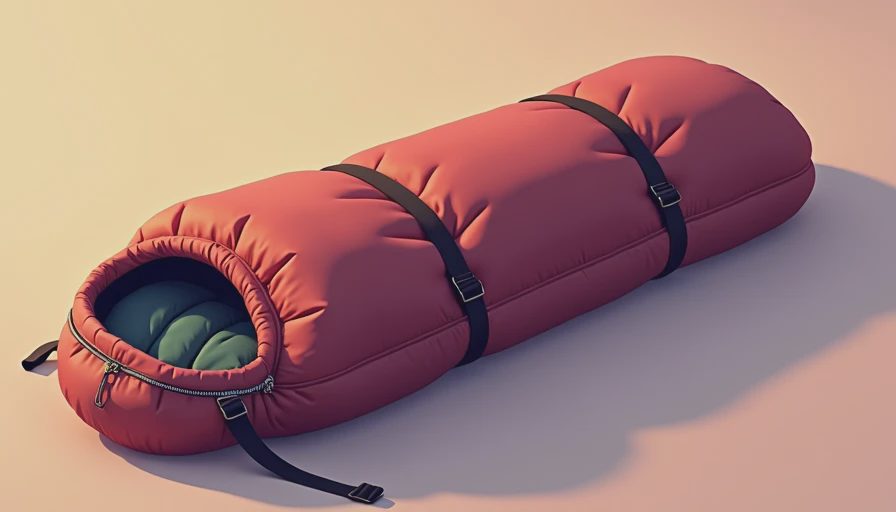
Fit is where many Western mountaineering sleeping bags decisions become personal. A narrow mummy shape is efficient because it leaves less air for your body to heat, but it can feel restrictive if you sleep on your side, move frequently, or wear bulky layers. A roomier model is easier to live with but usually weighs more and packs larger.
Measure your height and shoulder girth before ordering. The listed length is not the same as usable sleeping space, especially if you are tall or like to pull the hood over your head. Check zipper placement as well. A full-length zipper makes temperature control easier, while a shorter zipper can reduce weight and improve draft resistance.
For a child, a full-size premium bag may be excessive unless the child is already close to adult size. Younger campers often do better with a properly sized synthetic bag that tolerates dampness, spilled drinks, and the mysterious campground mud that appears inside a tent. Save the expensive down bag for the person who will actually keep it dry.
How they compare with less expensive alternatives
Western mountaineering sleeping bags sit near the premium end of the market. A current model can cost several hundred dollars, while mainstream down bags from brands such as REI Co-op, Marmot, or Kelty often cost less during seasonal sales. Those alternatives can be excellent choices for car camping and occasional weekend use, especially when a few extra ounces do not matter.
The premium difference becomes easier to justify when you carry the bag, camp frequently, or need dependable warmth in a compact package. An UltraLite that weighs roughly two pounds, depending on size and configuration, is easier to fit into a backpack than a heavier budget bag. Over a short walk from the parking lot, that difference is unimportant. Over several miles with a child’s water bottle, rain jacket, and snack inventory, it becomes noticeable.
Cost also includes care. Down bags need a large storage sack or uncompressed storage, careful drying, and protection from moisture. If your normal routine is to stuff gear wet into the garage after a rainy trip, synthetic insulation is the more sensible purchase. Good spec, mediocre experience is still a mediocre experience.
A simple buying process for busy campers
Start with the coldest conditions you realistically expect, not the coldest trip you imagine taking someday. Next, choose a fit based on your sleeping position and clothing habits. Then compare packed size and weight against the way the bag will travel. A 10-ounce saving matters to a backpacker; it barely matters in the cargo area of a Subaru.
After that, set a firm budget. If a premium bag stretches the budget past the point where you can also afford a reliable sleeping pad, rain cover, and warm layers, buy the balanced system instead. A bag cannot compensate for a thin pad that leaks heat into the ground. It also cannot fix a tent that drips condensation onto your foot box.
When buying used, inspect the zipper, baffles, shell fabric, and loft. Ask how the bag was stored and whether it has been washed with down-specific soap. A flat, lumpy bag may need professional cleaning, while torn fabric or damaged baffles can turn a discount into a repair project. I weighed it so you don’t have to, but you still need to inspect it.
Are Western Mountaineering sleeping bags worth it?
Western mountaineering sleeping bags are worth considering when low weight, compact packing, and reliable down construction matter more than the lowest purchase price. The UltraLite and AlpinLite suit many three-season backpackers, the Versalite provides more cold-weather margin, and the MegaLite makes sense for sleepers who dislike narrow mummy bags.
They are less compelling for occasional car campers, young children, or trips where moisture and abuse are expected. In those situations, a less expensive synthetic or midrange down bag may deliver better value and fewer worries. For the right user, though, the premium is not just a logo fee. It buys a lighter load, a smaller packed bundle, and a piece of gear that can serve for many seasons with basic care.
My practical recommendation is to decide from your real trip history. Write down the coldest night you have actually camped, the distance you carried your gear, and whether you sleep warm or cold. Those three facts will narrow the field faster than another evening reading forum arguments. Camping already has enough variables; your sleeping bag does not need to become one of them.


Letters
No letters yet — be the first to write.