Choosing bedding for tent camping is less about finding one magical product and more about building a sleep system that matches the weather, tent size, and people using it. A summer car-camping setup can be wonderfully simple: a sleeping pad, a blanket, and a pillow from home. A cold October weekend requires better insulation, moisture control, and enough room to move without kicking your cover onto the tent floor at 2 a.m.
The useful question is not simply what bedding for tent use looks most comfortable in a store. Ask what packs easily, stays warm when damp air settles in, cleans up without drama, and works for the actual campers involved. I weighed it so you do not have to, although my bathroom scale did briefly become the most trusted member of the household.
Start With the Sleeping Pad
The sleeping pad is the foundation of bedding for tent camping because the ground pulls heat from your body faster than the air does. A thick blanket underneath you feels soft but provides limited insulation once it compresses. A pad with an R-value around 2 to 4 works well for many three-season family trips, while colder conditions call for more insulation or a layered setup.
For car camping, a self-inflating pad such as the Therm-a-Rest MondoKing or a basic Exped MegMat offers excellent comfort. These are wide, thick, and closer to a mattress than a minimalist hiking pad, but they are bulky. A family may accept that trade when the tent is beside the Subaru and the drive home is short.
For lighter packing, an insulated inflatable pad from brands such as Sea to Summit, Nemo, or REI can keep weight near one to two pounds while providing useful warmth. Check the dimensions before buying two. A six-inch-wide gap between pads becomes a surprisingly effective crumb and sock collection system.

Sleeping Bags, Quilts, and Blankets
The next decision in bedding for tent use is whether you want a sleeping bag, quilt, or ordinary blanket. Sleeping bags are the easiest choice for children because the hood, zipper, and enclosed shape help contain warmth. Rectangular bags give restless sleepers more space, while mummy bags usually weigh less and retain heat better.
Quilts work well for adults who dislike feeling zipped into a fabric tube. They attach around the sleeping pad and leave the back of your body supported by the pad rather than carrying unnecessary insulation underneath. That can reduce weight, but quilts require more attention to drafts. For a warm-weather weekend, a 40- to 50-degree quilt can be more pleasant than a full sleeping bag.
Household fleece blankets are inexpensive and comfortable, but they are not automatically good bedding for tent conditions. Cotton absorbs moisture, dries slowly, and becomes cold when damp. Polyester fleece handles humidity better and costs little, making it useful for summer camping. Down blankets pack small and feel luxurious, but moisture management matters, and a spilled drink can turn a premium purchase into an expensive science experiment.
Match the System to the Season
A practical bedding for tent setup should be chosen by expected overnight low temperature, not the afternoon forecast. Spring and fall camping often feel fine at dinner and chilly by sunrise. For those trips, combine an insulated pad with a sleeping bag rated below the expected low. Ratings are not promises of universal comfort; people sleep at different temperatures, and a cold sleeper may need an extra layer.
In summer, ventilation matters as much as insulation. Use a lightweight sheet, fleece throw, or unzipped rectangular bag when nights stay warm. Keep one warmer layer available because weather forecasts occasionally behave like a child who has just discovered the thermostat.
For shoulder-season family camping, I prefer a three-part arrangement: an insulated pad, a synthetic sleeping bag, and a small fleece blanket. Synthetic insulation is usually heavier than down, but it tolerates damp conditions and handles regular washing better. That combination also gives children options when one kid is too warm and the other is somehow cold while wearing a sweatshirt.
Comfort Details That Matter
Good bedding for tent camping includes more than the main insulation. A pillow can make the difference between sleeping and listening to every zipper, twig, and mysterious campground cough. A dedicated camping pillow packs smaller, but a small home pillow inside a clean pillowcase often wins for car camping.
Use a fitted sheet or thin blanket over a large air mattress to prevent sleeping bags from sliding. For couples, two separate pads often provide better control than one oversized mattress. A shared mattress can feel convenient until one person rolls over and launches the other toward the tent wall.
Keep sleep clothing dry and separate from daytime clothes. A synthetic or merino base layer, clean socks, and a knit cap can add warmth without requiring a heavier sleeping bag. Avoid going to bed in damp jeans or the same shirt worn around the fire. Smoke smell is not insulation, despite what the campfire area seems to suggest.
Packing, Cleaning, and Storage
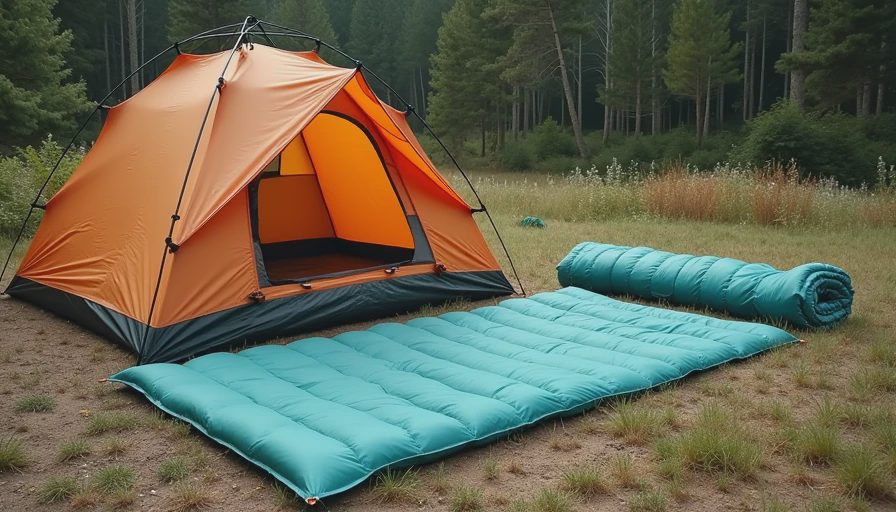
The best bedding for tent trips should be easy to manage after breakfast. Air out sleeping bags and quilts before stuffing them. If the weather is dry, drape them over a chair or tent line for a short period, then pack them loosely enough that the fabric is not forced into one permanent crease. At home, store down and synthetic bags in a large storage sack rather than compressed in a tiny stuff sack.
Use a waterproof liner or heavy-duty plastic bag inside the bedding bin. This protects clean sleeping gear from wet rain flies, muddy shoes, and the water bottle that somehow leaks despite being closed. Keep pads separate from sharp tent stakes and stove parts. One puncture can turn a comfortable mattress into a very expensive floor blanket.
Wash bedding according to the manufacturer’s instructions. Sleeping bags generally need less frequent washing than sheets because a liner handles body oils and sweat. Dry insulation completely before storage. If it feels cool or clumpy inside, it is probably not ready for the closet.
A Simple Buying Plan for Families
If you are building bedding for tent camping from scratch, spend first on the sleeping pad. For roughly $40 to $90, a basic insulated pad can improve comfort more than a $200 blanket. Next, choose sleeping bags that fit the expected season. A family of four does not need four identical models; children may benefit from rectangular bags, while adults may prefer quilts or roomier bags.
A sensible budget setup might include two insulated pads at $60 each, two rectangular synthetic bags at $60, two children’s bags at $40, and inexpensive fleece blankets for flexible layering. That totals about $320 before pillows and storage, but it creates a useful system for several seasons. A premium setup can easily exceed $800, especially with thick self-inflating mattresses, down quilts, and technical pillows.
Before buying, measure the tent floor and the packed storage space in your vehicle. Read the temperature rating, packed dimensions, and warranty details. Then test the full setup in the backyard for one night. You will discover missing pieces, noisy pads, and zipper problems before paying campground fees to learn the same lesson.
For most weekend campers, the winning bedding for tent arrangement is not the lightest or most expensive option. It is a warm pad, weather-appropriate insulation, a dry sleep layer, and enough flexibility for changing temperatures. Build that system carefully, test it close to home, and you can spend your camping trip enjoying breakfast instead of negotiating with a lumpy mattress.



Letters
No letters yet — be the first to write.