The YETI Roadie 24 cooler is the sort of gear that looks straightforward until you load it for a real family weekend. It is a compact hard cooler with a reputation for strong insulation, sturdy construction, and a price that requires at least one quiet conversation with your wallet. I used it as a car-camping cooler, soccer-field snack station, and backyard beverage box to see what the numbers mean after the brochure photos stop helping.
What the YETI Roadie 24 cooler actually holds
The Roadie 24 is rated for 24 quarts and is commonly described as holding up to 18 cans with ice. Those numbers are useful, but they assume a tidy packing job. In normal use, a family can fit sandwiches, fruit, yogurt tubes, several bottled drinks, and a layer of ice without playing cooler Tetris for twenty minutes. The tall shape also accommodates standard wine bottles or taller bottles standing upright, which is more practical than the low, wide design of many basic coolers.
The tradeoff is simple: 24 quarts is family-lunch size, not an entire weekend of groceries. For two adults on a day trip, it has comfortable capacity. For two adults and two kids camping for two nights, I would pair it with a second soft cooler or a separate dry-food bin. Trying to make one cooler cover every meal creates the familiar result: something important ends up warm, buried, or sitting on top like a guilty passenger.
An empty Roadie 24 weighs roughly 13 pounds, depending on the exact configuration. Add ice, drinks, and food, and carrying it becomes a two-hand job. I weighed it so you do not have to, and the important finding is not the empty number. It is how quickly the loaded weight crosses from convenient to awkward when one person is also carrying a tent bag and answering a child’s question about snacks.
Insulation performance in ordinary weather
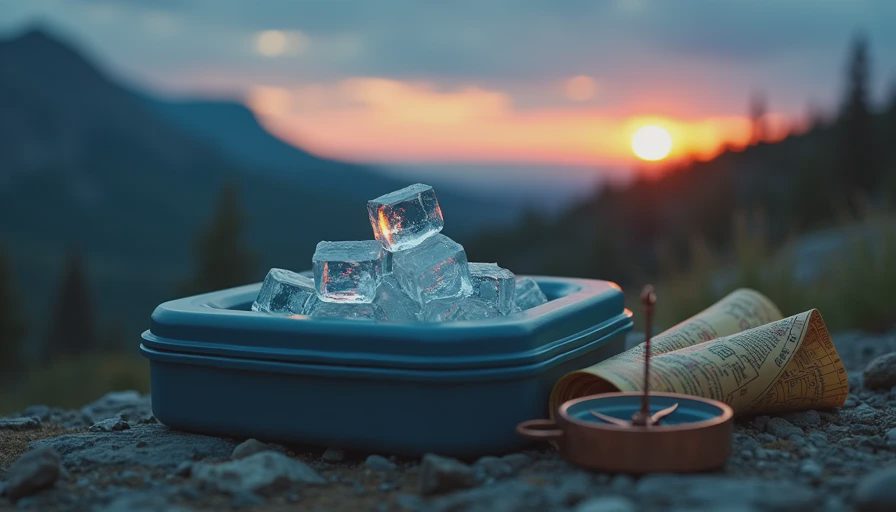
The YETI Roadie 24 cooler uses thick insulation and a gasketed lid, so it is built for longer cold retention than a thin-wall grocery cooler. In a shaded vehicle or campsite, pre-chilling the interior and food makes a noticeable difference. Starting with room-temperature cans and a small bag of ice is not a fair test of any cooler, including this one. Cold gear still has to obey basic thermodynamics, which remains annoyingly consistent.
For a weekend outing, block ice generally lasts longer than loose cubes because there is less exposed surface area. Frozen water bottles work well too, especially when you want drinking water after they melt. Pack cold items tightly, open the lid only when needed, and keep the cooler out of direct sun. Those habits are inexpensive and often matter more than upgrading from one premium cooler to another.
The Roadie performed best when used as a dedicated cold-food cooler rather than a communal drink chest. Kids opening the lid every seven minutes will reduce any cooler’s run time. If drinks are the main job, a soft cooler can be easier to access and lighter to carry. If you need food protected from bumps, rain, and enthusiastic campsite rummaging, the hard shell earns its keep.
Carrying, loading, and cleaning
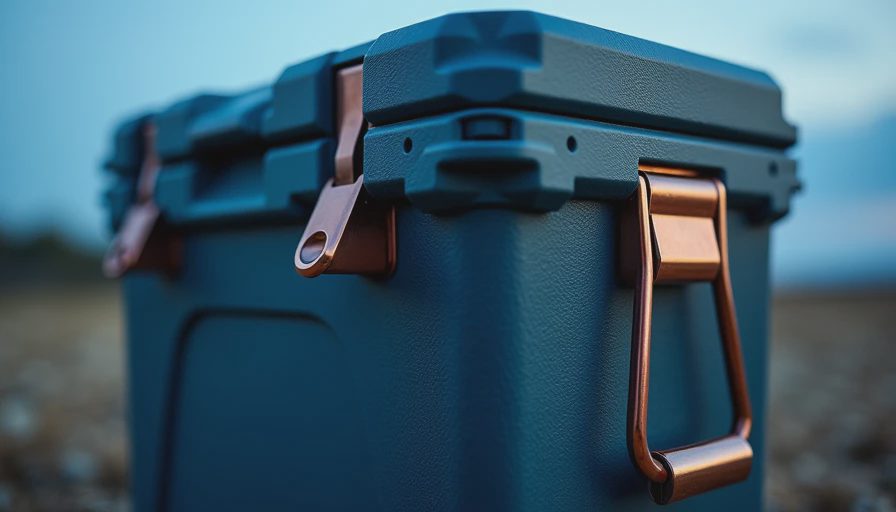
A useful cooler is not just an insulated box. The Roadie 24 has a compact footprint that fits behind a front seat, in a hatchback cargo area, or beside camping bins in a midsize SUV. Its sturdy handle system feels more dependable than the thin plastic handles found on low-cost coolers, and the lid opens wide enough for normal packing instead of forcing you to reach around a narrow opening.
That durability has a cost in both weight and bulk. The YETI Roadie 24 cooler is manageable for short carries from a parking lot to a picnic table, but it is not what I would choose for a long walk to a remote campsite. The shell also takes up meaningful storage space at home. Measure the spot in your garage before buying; premium coolers have a habit of becoming expensive furniture when their assigned shelf is too small.
Cleaning is straightforward. Drain the meltwater, rinse the interior, and wipe food residue from the gasket and corners. Let it dry completely with the lid open before storage. A cooler that smells like last month’s hot dogs is usually suffering from poor drying, not a mysterious manufacturing flaw.
Roadie 24 versus cheaper alternatives
A basic 24- to 28-quart cooler from Coleman or Igloo can cost far less, often somewhere around $40 to $90, depending on features and sales. Those coolers are perfectly reasonable for occasional picnics, short drives, and families who do not need rugged hardware. They are also lighter, which is a bigger advantage than many product comparisons admit.
The YETI Roadie 24 cooler makes more sense when you use it frequently and care about a stronger shell, reliable latches, better sealing, and a finish that can tolerate years of loading into vehicles. A comparable premium model from RTIC or ORCA can offer similar insulation-focused construction at a different price, while a soft-sided option from Hydro Flask or Engel may be more comfortable for shoulder carrying. Check current prices because discounts can narrow the gap quickly.
The question is not whether the Roadie is cold. Most decent coolers get cold. The question is whether its durability and shape solve a recurring problem in your routine. If you replace inexpensive coolers every few seasons, a premium model can become easier to justify. If the cooler appears twice each summer, put the money toward better ice and a larger picnic blanket.
How I would pack it for a family weekend
First, chill the cooler and beverages the night before. Second, put frozen items and block ice toward the bottom, then add food in groups: breakfast items together, lunch items together, and drinks where they can be reached without excavating the entire box. Use reusable containers to prevent loose fruit, cheese, and condiment packets from spreading into every corner.
Leave a little room for ice rather than filling every inch with food. A packed cooler with no cold mass is just a heavy pantry. I would also put a small towel over the contents before closing the lid. It helps fill an empty air gap and gives wet hands something useful to do after the first round of melted ice.
For a two-night trip, use the Roadie for foods that need dependable chilling and carry drinks separately. For a day at the lake, it can handle lunch and beverages without trouble. For a large group, use it as the food cooler and add a larger, less expensive drink cooler. That division reduces lid openings and makes the inventory easier to manage.
Is the YETI Roadie 24 cooler worth buying?
The YETI Roadie 24 cooler is a strong fit for families who drive to campgrounds, attend outdoor events, and want one durable cooler that works for years of ordinary abuse. Its insulation, upright-friendly shape, and robust construction are genuine advantages. The capacity is useful but not enormous, and the loaded weight is the main limitation.
I would buy it for frequent weekend use, especially if it fits your vehicle storage plan and you value a clean, durable system more than the lowest purchase price. I would skip it for occasional picnics, long carries, or situations where a lightweight soft cooler does the job. For most family campers, the best setup is not one giant box; it is a right-sized food cooler paired with a simpler drink solution.
Before purchasing, measure your cargo area, estimate how many meals you actually pack, and compare the current price with models from Coleman, Igloo, RTIC, and ORCA. The YETI Roadie 24 cooler earns its premium when it becomes dependable weekly equipment, not when it sits in the garage waiting for a heroic camping trip that never makes it onto the calendar.




Letters
No letters yet — be the first to write.