Searching for the brightest flashlight usually starts with a big lumen number and ends with somebody discovering that the light is too hot, too heavy, or dead when the dog wanders behind the tent. For family camping, maximum output is only one part of the decision. Beam shape, runtime, controls, battery type, and weather resistance determine whether a light is useful at 10 p.m. in a crowded campground.
I approach this like any other gear comparison: separate the impressive specification from the experience of carrying and using the product. A flashlight producing 3,000 lumens can illuminate a distant tree line, but a 500-lumen headlamp may be more helpful while both hands are occupied with a stubborn tent pole. The brightest flashlight on paper is not automatically the best light for a weekend away.
Lumens Are Only the Starting Point
Lumens measure total light output, not how far or effectively that light travels. A broad flood beam can spread those lumens across a campsite, while a focused thrower sends more light toward one narrow area. Both designs can have the same advertised output and feel completely different in use.
For a family campsite, 300 to 800 lumens is often enough for cooking, walking between the car and tent, and finding a dropped shoe in the grass. Outputs above 1,000 lumens are useful when you want to scan a larger area, but they also create more heat and consume batteries faster. Many compact lights advertise a turbo mode that lasts only a few minutes before stepping down to protect the electronics and battery.
When comparing the brightest flashlight models, look for a sustained high mode rather than the highest momentary burst. A dependable 500-lumen setting for several hours is more practical than a 2,000-lumen setting that quickly falls to a much lower level. Manufacturer runtime figures are usually measured under controlled conditions, so cold weather, rechargeable battery age, and repeated mode changes can shorten real use.
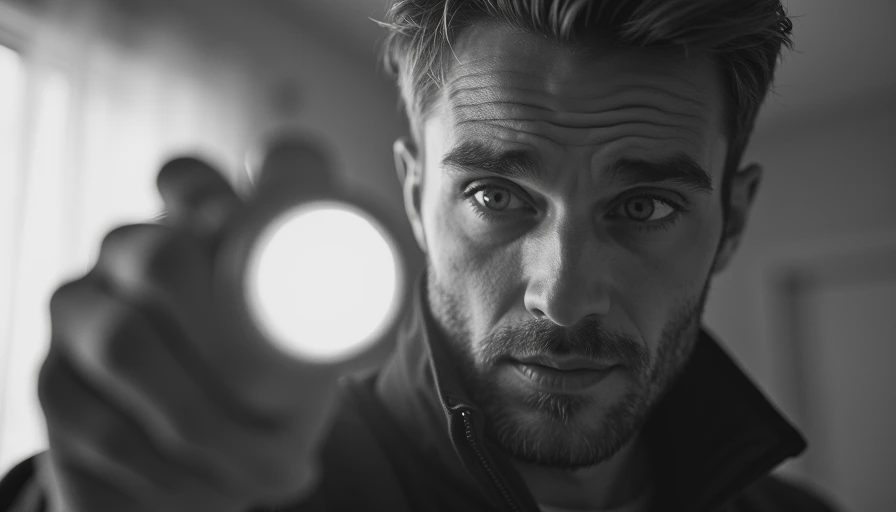
Beam Distance, Flood, and Spill
Beam distance matters when a child drops a water bottle near the edge of camp or you need to read a trail marker ahead. It matters less when you are sitting beneath a canopy and trying not to blind everyone across the picnic table. A focused beam can reach farther, but it may leave your immediate surroundings dark. A balanced beam with useful spill provides better awareness for walking.
The best brightest flashlight for general camping usually has several modes, including a low setting around 5 to 30 lumens. Low output preserves night vision, avoids waking neighbors, and can run for many hours. Medium mode is typically the workhorse for camp chores. High or turbo mode should be reserved for brief searches rather than left on while someone tells a very long story about a cooler.
A diffuser or built-in lantern mode can also add value. It turns a directional tool into soft area lighting for a tent or picnic table. That is not as dramatic as lighting a distant hillside, but it often reduces the number of separate lights your family needs to pack.
Battery Choices and Charging
Rechargeable lights using a USB-C port are convenient for car camping. You can top them off from a vehicle adapter, power bank, or household charger, and you avoid buying disposable batteries for every trip. Models with removable 18650 or 21700 lithium-ion cells can offer strong output and replaceable batteries, though you need to use compatible cells and a reliable charger.
AA and AAA flashlights still make sense for emergency kits and family gear bins. They are easy to replace at a grocery store, and alkaline batteries tend to sit well for long periods when stored correctly. Their downside is lower peak output and the risk of leakage if forgotten for months. Check the battery compartment before each season, especially on a light that lives in a hot vehicle.
The brightest flashlight in your kit should not be the only one. I prefer carrying one main rechargeable light plus a small AA backup. That arrangement costs less than buying multiple premium lights and prevents a flat battery from becoming the evening's main activity.
Size, Heat, and Everyday Handling
A large aluminum flashlight can shed heat better and hold a bigger battery, but it adds noticeable weight to a day pack. A compact model weighing roughly 3 to 6 ounces is easy for a parent or child to carry. Larger lights in the 10- to 20-ounce range can produce impressive output, yet they are more likely to stay in the car instead of making the walk from the parking area to camp.
Heat is another practical limit. High-output LEDs turn some electrical energy into heat, and the body can become uncomfortable after several minutes on turbo. That is normal, but a light with a smooth step-down and a clear battery indicator is easier to manage. Knurled metal bodies provide grip, while oversized tail switches are useful with gloves but can activate accidentally inside a pocket.
For family use, simple controls beat clever controls. A light that cycles from low to medium to high with one button is easier to hand to a child than one requiring a double-click, hold, and half-press sequence. The brightest flashlight is not helpful if nobody can select the sensible setting quickly.
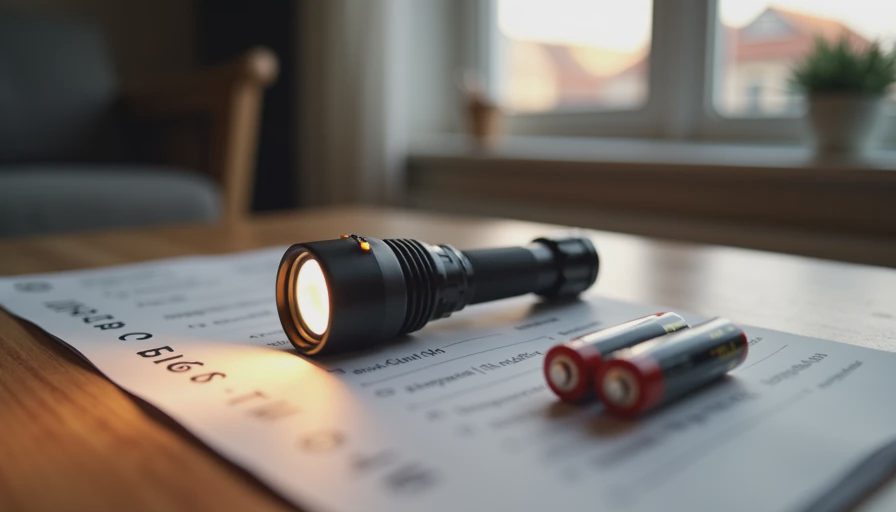
Weather Resistance and Camp Reliability
Look for an IP rating when rain, wet grass, or splash exposure is likely. IPX4 indicates protection from water splashes, while higher ratings provide stronger resistance. An IPX7 rating generally indicates temporary immersion protection under defined test conditions. These ratings do not mean a charging port can be left open in a storm, so keep rubber covers closed and dry the light before charging.
A glass lens, anodized aluminum body, and recessed switch can improve durability, but construction details do not guarantee indestructibility. Drop the light from waist height onto gravel and something may still crack. A simple nylon pouch or dedicated pocket prevents it from sharing a compartment with tent stakes and becoming an unplanned science experiment.
Brands such as Fenix, Nitecore, Olight, Streamlight, and Black Diamond offer different approaches. Fenix and Nitecore commonly emphasize high-output rechargeable models, Streamlight has a strong reputation for practical work lights, and Black Diamond focuses heavily on outdoor lighting and headlamps. Compare the specific model rather than assuming every product in a brand's catalog performs the same way.
How I Would Choose One for a Weekend
First, decide whether the light is mainly for walking, campsite chores, vehicle storage, or occasional searching. Walking favors moderate output, useful spill, low weight, and easy controls. Vehicle storage favors replaceable batteries, long shelf life, and a simple design. Searching favors throw distance, but it does not need to dominate every other requirement.
Next, compare the runtime at the mode you will actually use. If the brightest flashlight listing highlights turbo output but barely explains medium mode, treat that as a warning sign. Read the operating instructions, identify whether the battery is included, and check the charging method before comparing prices. A $45 light with a battery and USB-C cable may be a better value than a $30 light that requires a separate cell and charger.
Finally, test it at home. Walk across the backyard in low, medium, and high modes. Try the switch with one hand. Leave it on medium while preparing dinner and notice whether the body becomes hot. Put it in a pack pocket and see whether it turns on accidentally. I weighed it so you don't have to, but you should still test whether the controls fit your actual routine.
Our Practical Recommendation
For most weekend campers, a compact rechargeable flashlight producing roughly 500 to 1,000 lumens, with a genuine low mode, USB-C charging, a battery indicator, and at least basic splash resistance, hits the useful middle. It provides enough power for campsite navigation without demanding a dedicated holster or a battery spreadsheet.
The brightest flashlight makes sense when you regularly need long-distance visibility or work around a large property at night. For ordinary family trips, prioritize reliable medium output, comfortable weight, and straightforward controls. Spend around $30 to $80 for a capable light, then add a cheaper backup for the glove box. That combination handles real problems better than one oversized gadget chasing a headline number.
The goal is not to win a lumen contest. It is to find the light that is charged, packable, comfortable, and ready when someone says, “I think the tent stake is over there.”

Letters
No letters yet — be the first to write.