The therm-a-rest z lite sol is the familiar folding foam sleeping pad with a reflective surface, accordion shape, and a reputation for surviving years of ordinary camping abuse. I tested it from the perspective of a weekend camper, not somebody trying to shave every gram before hiking 200 miles. The useful question is simple: does this pad make sleeping outside easier, warmer, and less annoying for a family?
The short answer is yes, with one large asterisk. It is dependable and nearly impossible to puncture, but it is not plush. If your mattress at home has a pillow-top and three separate comfort settings, the transition will be noticeable.
What the pad actually gives you
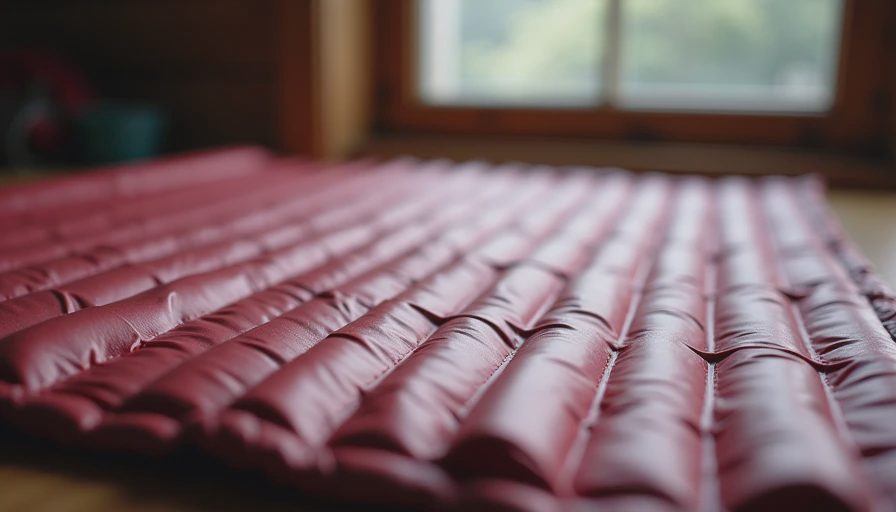
The therm-a-rest z lite sol uses closed-cell foam, so it does not inflate, leak, or require a pump. That design matters when a child drops a fork on the tent floor or when you are packing in a hurry after a rainy breakfast. The pad folds into a compact stack rather than rolling, and the ridged surface creates small air pockets that add insulation and cushioning.
The regular size is roughly 72 inches long and 20 inches wide, with a thickness close to three-quarters of an inch. Published weights are commonly around 14 to 16 ounces depending on the version and size. My scale-minded takeaway is that the pad is light enough for backpacking but substantial enough for car camping, youth trips, and the inevitable “Dad, I forgot my pad” situation.
The silver-colored surface is intended to reflect radiant body heat. That does not turn the foam into a winter mattress, but it contributes to the pad’s insulation. The more important benefit is the foam itself: ground contact pulls heat away quickly, and even a thin closed-cell pad creates a useful barrier.
The biggest limitation is packed volume. Folded, it is not small enough to disappear inside most backpacks. Many hikers strap it outside, where it can catch branches or make a pack look like it is carrying a very clean stack of cafeteria trays. For short trips, that tradeoff is usually manageable.

Comfort on real ground
On flat tent floors, the therm-a-rest z lite sol feels firm but predictable. It smooths small stones, roots, and hard dirt better than sleeping directly on the ground, although it will not hide a sharp rock. The ridges compress under hips and shoulders, but side sleepers can still feel pressure after several hours.
I would rate it as comfortable enough for most back sleepers and tolerable for side sleepers who are accustomed to firm surfaces. A seven-year-old will probably sleep on it without complaint. A partner who wants an inflatable mattress with several inches of loft may begin negotiations before sunset.
Placement makes a difference. Clear the tent site first, then orient the pad so your shoulders and hips sit over the widest, cleanest sections. If a campsite is especially rough, placing a thin foam pad underneath an inflatable mattress improves protection and adds insulation. The foam also provides a backup if the inflatable pad develops a leak.
For family camping, the material is forgiving. Kids can kneel on it while changing clothes, use it as a seat outside the tent, or fold it into a temporary backrest. It is not delicate gear that requires a separate lecture and a laminated care card.
Warmth and three-season use
The therm-a-rest z lite sol is best understood as a three-season pad for moderate conditions. Its insulation is useful on cool spring and fall nights, particularly over cold soil or a tent floor. It is less impressive when the air turns genuinely cold and the user has little body insulation or a lightweight sleeping bag.
For a warm sleeper, the regular pad can be enough for summer backpacking. For colder trips, I would pair it with an insulated inflatable pad rather than expect foam alone to perform like a thick winter system. Used underneath another pad, it adds redundancy and protects the inflatable surface from rough ground.
The reflective side should face upward when the goal is reflecting body heat, although the difference is not magic. Keeping the pad dry and avoiding compressed, permanently flattened sections matters more in everyday use. Foam loses some spring after repeated packing, but that gradual change is easier to live with than a sudden puncture at midnight.
On paper, the warmth-to-weight ratio looks great. In a damp Ohio morning, less so if the pad is wet from dew and you toss it into the car without drying it. Wipe it down at camp and let it air out at home; closed-cell foam dries quickly.
Durability, storage, and family logistics
Durability is where the therm-a-rest z lite sol earns its keep. There is no valve to break, no air chamber to puncture, and no complicated repair kit. You can place it on gravel, use it beside a soccer field, or kneel on it while sorting a stove without treating every movement like a laboratory procedure.
Store it unfolded when possible, especially if you have enough garage or basement space. Long-term tight compression can encourage permanent creases and reduce the pad’s original shape. I keep foam pads in a labeled gear bin or against a wall, not under a stack of holiday decorations where they slowly become camping lasagna.
The accordion folds also make packing faster. A rectangular inflatable pad needs rolling, valve management, and usually a stuff sack. This one folds, straps, and goes. That saves a few minutes at the end of a trip, which is exactly when everyone is hungry and one child has misplaced a shoe.
Cleaning is straightforward. Use mild soap and water, then dry it completely before storage. Avoid harsh solvents, open flames, and unnecessary exposure to intense heat. The foam is rugged, but rugged is not the same as indestructible.
How it compares with other pad types
An inexpensive blue foam pad can cost around $15 to $30 and may be adequate for backyard sleepovers or warm summer festivals. The therm-a-rest z lite sol generally costs more, but its folding format, reflective surface, and established construction make it easier to use repeatedly.
An inflatable pad from brands such as Sea to Summit, Nemo, or Therm-a-Rest offers more cushion and packs much smaller. That comfort often comes with higher prices, valves, pumps or breath control, and a puncture risk. A quality inflatable model can cost $100 to $220, so replacing one after rough use is more painful than replacing a foam pad.
A self-inflating pad sits between those choices. It provides more cushioning than thin foam and usually packs smaller than a full folding pad, but it remains heavier and more vulnerable than closed-cell foam. For a family that drives to campgrounds and wants simple equipment, the therm-a-rest z lite sol is often the more forgiving option.
The decision depends on what you notice at night. If your back notices pressure first, spend on an inflatable pad. If your brain notices leaks, complicated packing, and children stepping on gear first, foam starts looking unusually sophisticated.
Who should buy it?
The therm-a-rest z lite sol makes sense for weekend backpackers, car campers, scout leaders, and families building a durable sleep system. It is especially useful for people who want one pad that can serve as a primary summer mattress, a seat, or a protective layer beneath another pad.
It is less suitable as a first choice for side sleepers who demand thick cushioning, couples sharing a narrow sleeping platform, or cold-weather campers who need maximum insulation from a thin standalone pad. It also takes up more exterior pack space than many modern inflatable alternatives.
My practical recommendation is to buy it when reliability and versatility matter more than luxury. Use it alone for warm trips, beneath an inflatable pad for cold or rough conditions, and around the house as a simple emergency guest mat. I weighed it so you do not have to, and the result is a good spec with a very predictable experience.
For a busy family, that predictability is valuable. The therm-a-rest z lite sol will not make the campsite feel like a hotel, but it will keep one small piece of the camping system from becoming a midnight troubleshooting project. That is a respectable achievement for folded foam.




Letters
No letters yet — be the first to write.