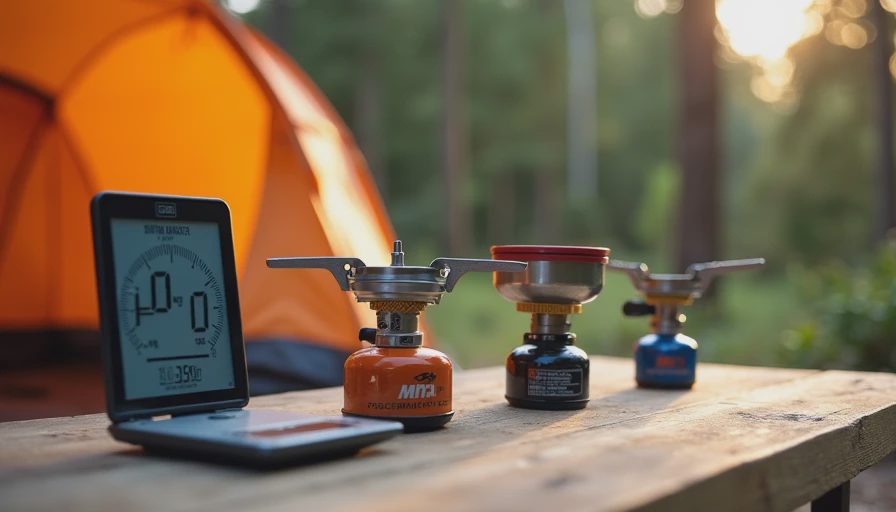
Most “best lightweight stove” articles are written for people who measure their base weight in grams and walk 15 miles a day. That is a different job from the one most of us have.
Weekend campers—especially those with kids—need a stove that boils water reliably, packs without drama, works in ordinary wind, and does not require a ritual every time you want coffee or mac and cheese. Weight still matters, but so do speed, stability, and how little attention the stove demands when two children are already asking what’s for dinner.
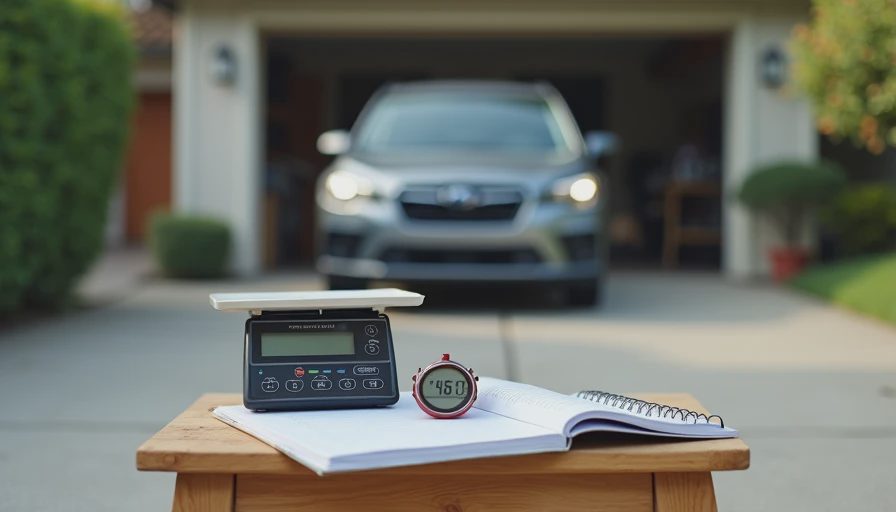
I have run the same 500 ml boil protocol on a range of canister stoves in the backyard and then used the same stoves on actual family overnights. Here is the practical ranking for people who camp ten to fifteen nights a year, not a hundred.
What Weekend Campers Actually Need
Fast, consistent boils in light wind
Simple operation (no fiddly parts when you’re tired)
Reasonable packed size and weight
Enough stability that a pot does not feel tippy
Fuel efficiency that does not punish you for a couple of extra hot drinks
Pure ultralight metrics (lowest possible grams, smallest possible packed size) matter less than the combination above.
The Short List That Makes Sense
Best overall for most weekend and family use: Soto Windmaster
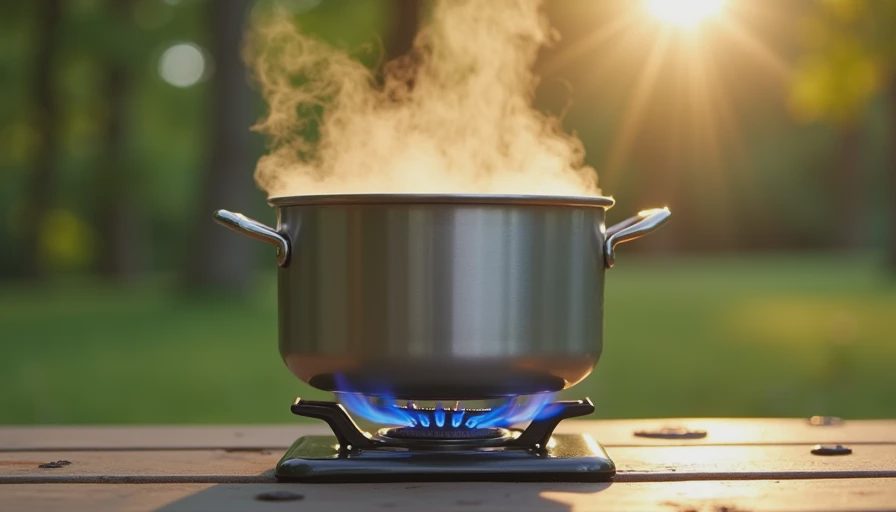
The concave burner and flexible pot supports give it a clear edge in the real wind you get on Midwest campsites. In my side-by-side tests it boiled 500 ml faster than a standard PocketRocket once any breeze was present, and it felt more stable under a normal pot. Weight is still low, it packs flat, and the flame control is precise enough for actual cooking, not just boiling. For car camping or short walk-in trips with kids, this is the one I reach for most often.
Best if you prioritize pure simplicity and lowest weight: MSR PocketRocket 2
It is lighter, cheaper, and completely straightforward. In calm conditions the boil times are close to the Windmaster. In wind it loses more efficiency, so you either accept slightly longer waits or use a small windscreen. If your trips are mostly sheltered or you already carry a light windscreen, it remains an excellent default.
Best when speed is the top priority and bulk is acceptable: Jetboil Flash (or similar integrated system)
Nothing in the screw-on category matches the FluxRing boil times. On family trips where everyone wants hot water at the same moment, the difference is noticeable. The trade-off is size and the fact that it is primarily a boiler rather than a cooking stove. Fine for car camping and basecamp; less ideal if the stove has to live in a shared backpack.
What I Skip for Weekend Use
Alcohol stoves: too slow and fiddly when kids are hungry.
Remote canister stoves with separate legs and hoses: excellent stability and simmer, but more parts and packed bulk than most weekend trips justify.
Multi-fuel stoves: unnecessary complexity and weight when canisters are easy to find and the trips are short.
Decision Guide
Mostly car camping or short walk-in sites, want the best real-world performance → Soto Windmaster
Want the lightest, simplest, least expensive option and will manage wind → MSR PocketRocket 2
Want the fastest possible boils and don’t mind the size → Jetboil-style integrated system
Regularly cooking real meals (not just boiling water) → lean toward the Windmaster for control
Weight differences between the top screw-on options are measured in tens of grams, not hundreds. For weekend use those grams rarely decide the night. Reliability, wind performance, and low frustration do.
I still weigh every stove and time every boil under the same conditions. The numbers are useful. They are not the whole story. For people who camp with jobs, kids, and a weather app, the best lightweight stove is the one that disappears into the background and just works.

Letters
No letters yet — be the first to write.