Shopping for long range walkie talkies usually starts with a giant number on the box and ends with a smaller number in the woods. That is not necessarily a scam; radio range depends heavily on terrain, trees, buildings, weather, antenna height, and the power allowed by the radio service. For family camping, the useful question is not whether a radio can reach 36 miles under ideal conditions. It is whether two people can communicate across a campground, a trail loop, or a soccer complex without shouting like they are recreating a low-budget action movie.
I tested and compared radios with the same basic routine: fresh batteries, clear line-of-sight checks, wooded sections, and ordinary family-use scenarios. The results point to a simple buying rule. The best long range walkie talkies are usually the ones with a sensible radio service, usable controls, decent battery life, and a range claim you interpret realistically.
What “long range” really means
Most advertised range numbers assume open, unobstructed terrain with the radios held high and nothing significant between them. A manufacturer might list 20, 30, or more miles, but a dense campground can reduce that dramatically. Rolling hills and thick hardwoods are especially good at making impressive packaging feel optimistic.
In a flat open field, basic FRS radios can cover a useful distance for families. Around a large campground, practical communication might be less than a mile, depending on elevation and trees. GMRS radios can provide more power and often better reach, but they still cannot bend around a ridge. A radio with an external or improved antenna can help, yet physics remains stubborn, even in Ohio.
The useful test is local. Stand at the campsite while another person walks toward the bathhouse, playground, parking area, or trail entrance. Try the same route after sunset and with the radios at child height. If the signal works in those conditions, you have meaningful information for your trip.
FRS or GMRS: the decision that matters most
Family buyers usually encounter FRS and GMRS radios. FRS, or Family Radio Service, uses channels available for short-range personal communication. FRS radios do not require an individual FCC license. They are often compact, inexpensive, and simple enough for kids to operate after a five-minute demonstration.
GMRS, or General Mobile Radio Service, supports higher power on certain channels and can use compatible accessories such as external antennas or repeaters. In the United States, GMRS operation requires an FCC license. The license is not a test-based amateur radio license, but you still need to follow the applicable rules and use equipment approved for the service. Some GMRS licenses cover immediate family members, which makes the setup practical for household camping.
This is why long range walkie talkies labeled “GMRS” deserve a closer look than a basic channel count. A GMRS pair can make sense when adults want better coverage across a large property or campground. For occasional communication between a tent and a picnic table, FRS may be enough and simpler.
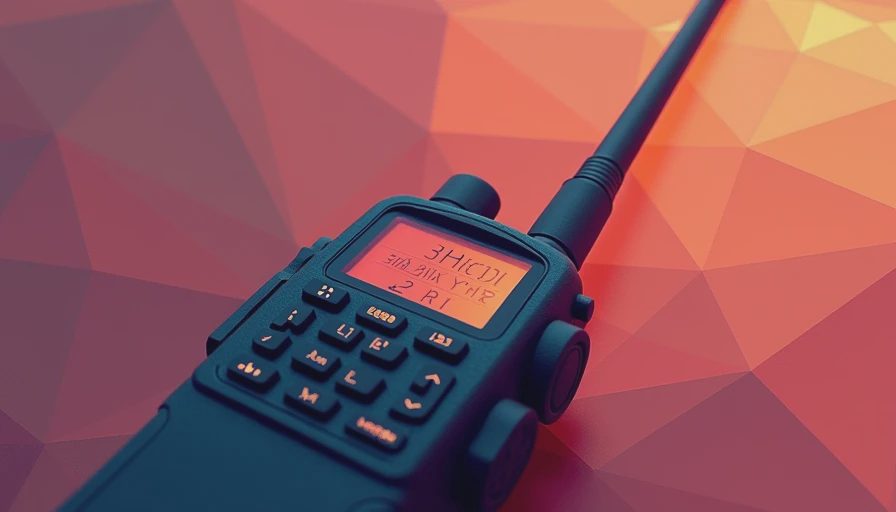
Features worth paying for
A weather alert function is useful when a radio stays in the family gear bin, although it is not a replacement for a weather app or campground warning system. NOAA weather reception can provide alerts when coverage and local broadcast conditions cooperate. That last part matters; radio features are helpful tools, not magic weather oracles.
Battery options also affect the real cost. Radios using standard AA or AAA batteries are easy to keep running on a weekend and simple to replace at a rural store. Rechargeable packs reduce disposable battery use and can be convenient at a campsite with USB power. I prefer models that support both a rechargeable pack and ordinary batteries, because forgetting to charge something is a family tradition older than camping itself.
Look for a clear push-to-talk button, a lock function, a readable display, and a volume knob or controls that work with cold fingers. VOX, which activates transmission when the radio detects your voice, sounds convenient but often picks up wind, zipper noise, or children explaining something at maximum volume. For normal camping, push-to-talk is usually more reliable.
Models and price ranges to consider
Motorola Talkabout radios are common at big-box stores and usually focus on approachable controls and family-friendly packaging. They can be a reasonable entry point for casual campground use, but compare the exact model because the radio service, included battery system, and claimed range differ across the lineup.
Midland offers both consumer walkie-talkies and GMRS-focused models. Some include larger battery packs, weather features, or charging accessories that suit frequent weekend use. Cobra also sells consumer radios with familiar controls and broad retail availability. The important distinction is not the logo alone; compare the service type, power, charging setup, warranty, and whether the radios are approved for the way you plan to use them.
Expect to spend roughly $25 to $60 for a basic pair, around $60 to $120 for more capable GMRS-oriented radios, and more for kits with upgraded antennas, chargers, or accessories. A $40 pair used twice a year may be better value than a $150 setup that requires a separate charging routine nobody in the household remembers.

A simple field test before the first trip
Before packing long range walkie talkies, charge every battery and label the radios as A and B. Confirm that both radios use the same channel and privacy-code setting. Privacy codes do not make a conversation private; they filter what you hear and can create confusion if one radio is set differently.
Next, test the radios at 100 yards, 300 yards, and as far as your property safely allows. Record whether the audio is clear, broken, or one-way. Repeat the test near buildings and behind trees. Then have each child practice three habits: press the button, wait a moment, speak clearly, and release the button when finished. That pause prevents the first word from disappearing.
For a family campsite, assign a call name to each person, keep messages short, and agree on what to do if the signal fails. “Come to the picnic table” is better than a three-minute report involving a lost flashlight, a suspicious squirrel, and several unrelated updates.
The practical buying recommendation
Choose FRS long range walkie talkies when you want inexpensive, license-free communication for a campsite, neighborhood, or youth sports field. Choose GMRS when adults want more capability, are comfortable handling the FCC licensing requirement, and expect to use the radios across larger areas. In either case, buy for the terrain you actually visit rather than the maximum number printed on the box.
My best-value setup for most weekend families is a durable midpriced pair with USB charging, replaceable battery flexibility, a lock button, weather reception, and controls a seven-year-old can understand. Spend the extra money on batteries or a small protective case before chasing an extreme range claim. I weighed it so you do not have to, and the boring answer keeps winning: clear controls and realistic expectations beat shiny specifications.
Before checkout, compare the exact model number, radio service, battery type, warranty, and included accessories. Then run the backyard test. The right long range walkie talkies should disappear into the camping routine, quietly helping everyone find the trail junction, return to the car, or locate the parent who wandered off to make coffee.




Letters
No letters yet — be the first to write.